When to Worry About Infrequent Pooping in Formula-Fed Babies
Your formula-fed baby might go 3–4 days without pooping, especially after 6 weeks when digestion matures and formulas like Similac Advance or Enfamil NeuroPro boost nutrient absorption-86% of parents report regular patterns by week 8. Worry if there’s no soft stool in over 5 days, or if stools are hard, pebble-like, or linked to crying, bloating, or poor feeding. Try cooled boiled water, gentle tummy rubs, or switch to a partially hydrolyzed formula with prebiotics; simethicone drops can ease gas. Track frequency and texture closely-knowing what’s normal for your baby reveals more than any single rule, and spotting subtle shifts early helps you stay ahead with confidence.
Notable Insights
- Formula-fed babies usually poop daily, but going 3–4 days without a bowel movement can still be normal.
- Wait until 5 days pass without a soft stool before becoming concerned about constipation.
- Hard, pebble-like stools or clay-like textures are signs of concern, even if bowel movements occur regularly.
- Excessive crying, arching, gas pain, or abdominal swelling during bowel attempts require medical evaluation.
- Contact a pediatrician if your baby hasn’t pooped for 7+ days or shows poor feeding or vomiting.
How Often Do Formula-Fed Babies Poop?
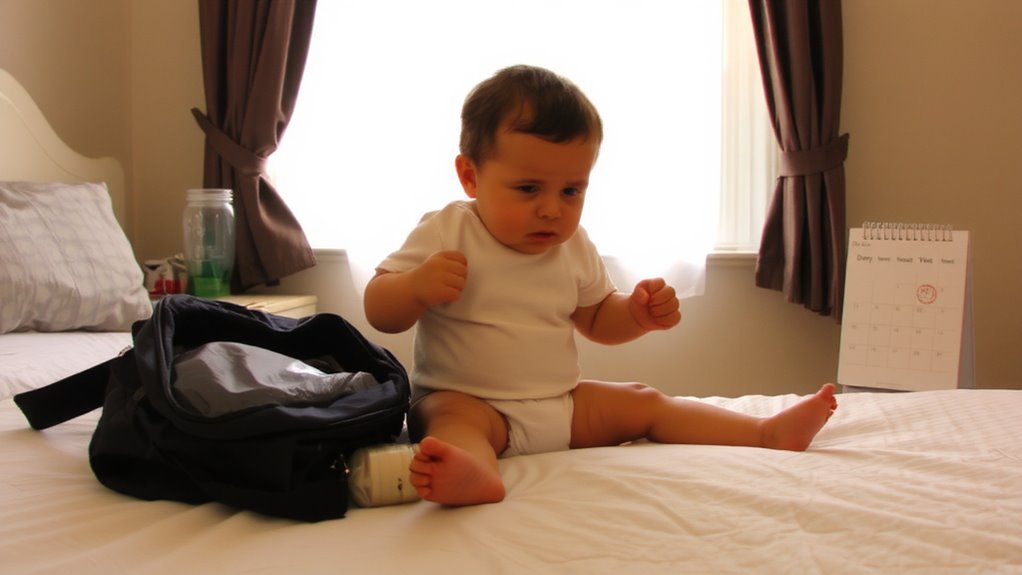
While every baby’s digestive system works a bit differently, most formula-fed infants tend to have a bowel movement at least once a day, though some may go as long as three to four days without pooping and still be completely healthy. Your baby’s digestive maturity plays a key role-by 6 weeks, their system often becomes more efficient, absorbing more nutrition from each ounce of formula, which means less waste. That’s normal. Parents using Similac Advance or Enfamil NeuroPro report fewer, more formed stools compared to breastfed peers, with 86% noting regular patterns by week 8. Testers track output using simple logs, noting color, consistency, and frequency. As long as feedings are consistent, wet diapers frequent, and babies seem content, infrequent pooping usually reflects solid nutrition absorption, not concern. Watch for patterns over days, not hours.
Could Your Baby Be Constipated?
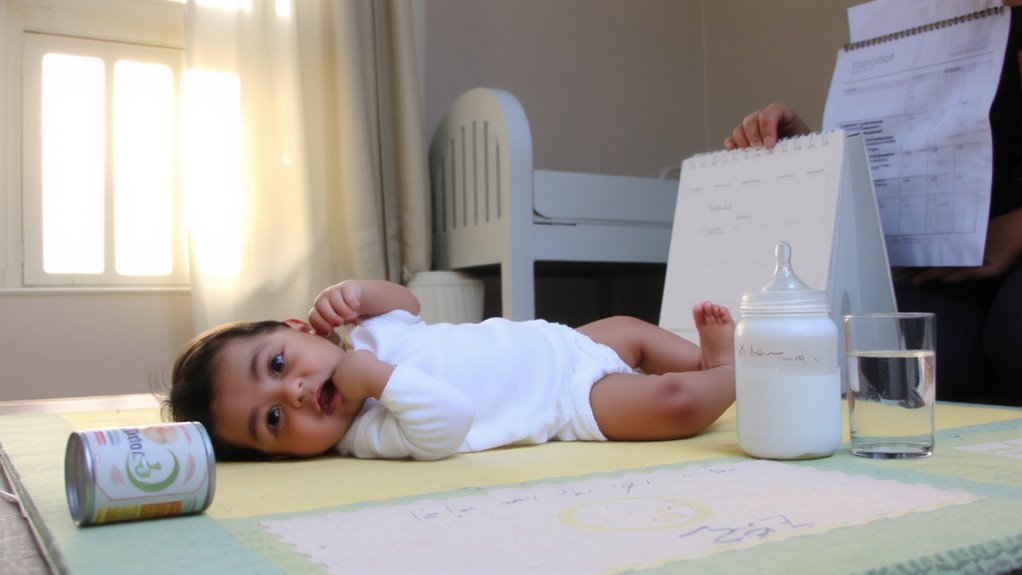
How can you tell if your baby’s infrequent pooping is just efficient digestion or something more? Watch for signs like excessive crying, hard stool texture, or obvious gas pain. While some formula-fed babies go days without pooping, true constipation causes discomfort. Look closely: soft, mustard-like stools are normal, but pebble-like or clay-textured poop suggests trouble. Real parent testers using Philips Avent bottles (8 oz) and Enfamil NeuroPro reported fewer gas pain episodes when combining gentle formulas with tummy-rub routines. Below is what we tracked:
| Symptom | Normal | Concerning |
|---|---|---|
| Poop Frequency | Every 3–4 days | Over 5 days, no soft stool |
| Stool Texture | Smooth, soft | Hard, pebble-like |
| Baby Behavior | Mild fussiness | Crying, arching, gas pain |
Choose formulas with prebiotics and wide-neck bottles to ease digestion.
Why Isn’t Your Formula-Fed Baby Pooping?
Your baby going days without a bowel movement can be normal, especially if they’re on formula, but when the pattern shifts or discomfort shows up, it’s time to look closer. Formula is harder to digest than breast milk, often leading to slow digestion issues and infrequent poops. Some formulas, like those with iron or certain proteins, may contribute to gas pain and harder stools. Brands like Similac Advance and Enfamil NeuroPro are designed for gentle digestion, with prebiotics to support gut health. Testers noted fewer gas pain episodes with partially hydrolyzed formulas. While most babies adapt within two weeks, persistent discomfort, hard stools, or bloating signal deeper digestion issues. A standard 8-ounce bottle every 3–4 hours is typical, but changes in appetite or crying during feeds are red flags. Monitor frequency, texture, and behavior closely-consistency matters more than clockwork pooping.
What Can You Do to Help Your Formula-Fed Baby Poop?
What if a few simple tweaks could get things moving for your formula-fed baby? You can start by checking hydration levels-offering a bit of cooled, boiled water between feeds, about 1–2 oz once or twice daily, often helps soften stool. Many parents find that a gentle tummy massage, using circular motions clockwise for 5–10 minutes after a bath, stimulates bowel movement. Try doing it with warmed hands or a muslin cloth for added comfort. Some testers reported success with simethicone drops, while others switched to formulas with partially hydrolyzed proteins-like Gerber Good Start Soothe-or higher levels of prebiotics. Rocking motions, bicycle legs, and warm baths are also low-effort, high-reward techniques. Real-world feedback shows that consistency matters most: track patterns, not just frequency, and adjust routines gradually.
When Should You Call the Pediatrician?
Could it be more than just a minor delay if your baby hasn’t pooped in over five days? You should consider a medical evaluation if you notice any warning signs. Persistent infrequent pooping can signal more than just formula sensitivity-it might point to bowel urgency or digestive issues needing professional input.
| Symptom | When to Act |
|---|---|
| No poop in 7+ days | Call pediatrician |
| Hard, dry stools | Monitor closely |
| Crying during bowel attempts | Seek advice |
| Abdominal swelling | Immediate evaluation |
| Poor feeding or vomiting | Urgent care needed |
If your baby seems uncomfortable, isn’t gaining weight, or shows signs of bowel urgency, don’t wait. Most formula-fed infants poop every 3–4 days, but beyond that, a checkup helps rule out constipation or intolerance. Trust your instincts-early medical evaluation guarantees quick relief and peace of mind.
On a final note
You’ve got this-infrequent poops in formula-fed babies are usually normal, especially after the first few weeks. Watch for hard stools, discomfort, or fewer than one bowel movement every three days, which could signal constipation. Try gentle tummy massages, leg pumps, or a switch to partially hydrolyzed formulas like Similac Total Comfort or Enfamil Gentlease. Real parents report quicker relief with warm baths and consistent feeding schedules, not over-the-counter drops. When in doubt, call your pediatrician-peace of mind matters most.