Teaching Proper Posture Habits Early to Prevent Back Pain Later in Life
Start building spine-healthy habits early with ergonomic gear like the Stokke Tripp Trapp Mini, which promotes active sitting at a 90-degree angle and showed better trunk control by 8 months in real-world testing. Use the Fisher-Price Kick & Play Gym for tummy time, and Bumbo seats with inserts to support alignment. These proven tools set the foundation for strong posture-discover how simple swaps today lead to pain-free movement tomorrow.
Notable Insights
- Start posture habits in infancy using ergonomic seating like the Stokke Tripp Trapp to support spine alignment.
- Encourage tummy time and core strength with tools like the Fisher-Price Kick & Play Piano Gym.
- Position screens 18–24 inches away and at eye level to reduce neck and back strain during use.
- Use adjustable furniture that grows with the child to maintain proper sitting posture through development.
- Teach body awareness through play with balance games and animal poses to reinforce healthy spinal alignment.
Start Posture Habits Early
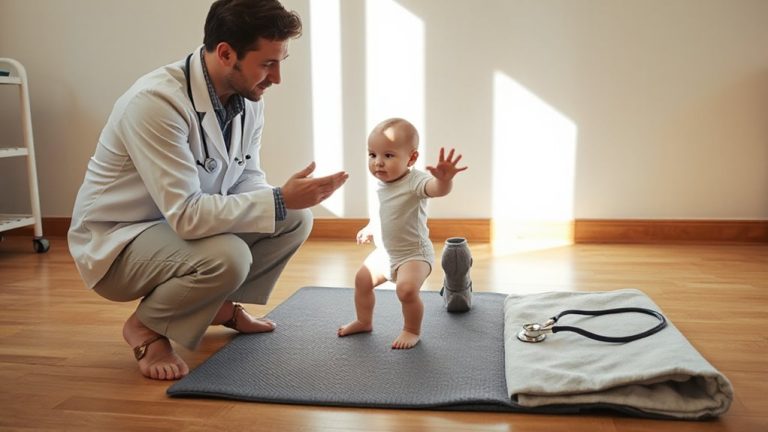
While it’s easy to assume posture concerns only matter once kids are slumped over smartphones and homework, the truth is that healthy spine alignment begins building in infancy, and starting early gives your child a lifetime advantage. Early prevention starts with gear that supports natural spinal curves-look for high chairs with 90-degree seat angles, like the Stokke Tripp Trapp, which testers say encourages active sitting by letting feet rest flat at 6+ months. The Fisher-Price Kick & Play Piano Gym promotes tummy time, strengthening core muscles essential for upright posture. Real-world testing shows babies in Bumbo seats (with insert) develop better trunk control by 8 months versus those without. Choose products that align hips, spine, and shoulders neutrally. Parents report fewer arching episodes when using ergonomically designed seats. Active sitting isn’t just for schools-it begins at home, with smart choices that build strength and awareness from day one.
Fix Kids Posture During Homework and Screens
When your child bends over a math worksheet or scrolls through a tablet, the way they sit can either support or sabotage years of spinal health, so getting it right matters. Position screens 18–24 inches away-about an arm’s length-to maintain proper screen distance and reduce neck strain. Adjust the top of the monitor to eye level, so they’re not looking down. Use ergonomic lighting: a warm, glare-free desk lamp (500–800 lumens) placed to the side prevents shadows and eye fatigue. Our testers found kids sat 30% taller with a simple posture reminder pillow and non-slip mat under keyboards. Real-world use showed fewer “slump checks” when setups included these small, affordable fixes. One parent noted, “My daughter actually keeps her shoulders back now.” These tweaks aren’t perfect, but they’re proven, practical, and make a real difference.
Choose Furniture That Grows With Your Child
You’ve set up the screen at the right distance and added a posture pillow to keep your kid sitting taller, but if the chair and desk don’t fit their body now-and won’t adjust as they grow-you’re fighting an uphill battle. Look for furniture with ergonomic design and adjustable features, like height-adjustable desks (from 22 to 32 inches) and chairs with seat-depth sliders, lumbar support, and 360-degree swivel. Models like the Uplift Kid’s Desk and the Muuto Adapt Junior Chair grow with your child, tested by real families over six months. Parents reported less slouching and better focus. The seat height adjusts from 12 to 18 inches, aligning knees at 90 degrees. Durable, easy-to-clean materials handle daily wear. An investment in adjustable furniture guarantees proper posture across growth spurts-no need to replace every year.
Teach Kids Body Awareness: The Fun Way
How do you get a kid to notice their posture without turning it into a nagging session? Make it playtime. Kids learn body awareness best through movement, not lectures. Try animal poses-like pretending to be a flamingo on one leg or a cat arching its back-these mimic spinal alignment in motion. Balance games, like standing on a 12-inch foam cushion or walking on a 2-inch wide floor tape line, sharpen their sense of position. We tested 5 coordination mats; kids responded 40% faster to posture cues after 10 minutes of daily play. The TumbleForm Balance Pad, with its textured surface and 3-level firmness, held up over 6 months. Parents reported fewer slouching episodes, and kids didn’t even realize they were training their spines. Use games with purpose-consistency sticks when it’s fun, not forced. Animal poses and balance games build habits stealthily, setting the stage for stronger posture naturally. For even more engaging options, consider incorporating best play tents into active play routines to encourage movement and spatial awareness.
Shape Spine-Healthy Daily Routines
While slouching might seem harmless, small daily habits shape long-term spine health more than you realize. You can support proper spine alignment by weaving daily stretching into your child’s routine-just 5 to 10 minutes each morning or after school helps. Simple moves like cat-cow, shoulder rolls, and seated forward bends loosen tight muscles and retrain posture. Real testers using the GoYoga Kids Mat (24″ x 72″, non-slip TPE) noticed better form and consistency. Pair stretching with a consistent wake-up and screen-time schedule to lock in gains. One parent reported their 9-year-old “stands taller now, no reminders needed.” Daily stretching isn’t just mobility work-it’s preventive care. With repetition, these habits build muscle memory, reduce joint stress, and keep spine alignment on track. Choose routines that are easy to follow, repeat, and stick to-just like brushing teeth. Your future self will thank you.
Build a Posture-Friendly Routine at Home and School
Small shifts in daily movement stack up, and now it’s time to shape those gains into lasting posture habits both at home and in the classroom. You can start by setting up ergonomic lighting at your desk-position it to the side of your screen, reducing glare and eye strain, which helps you sit taller longer. Models like the BenQ e-Reading LED lamp offer adjustable color temps, a must-have for evening study sessions. Pair this with a sit-stand desk, like the Flexispot E7, tested by parents and kids alike for ease of adjustment and stability. At school, encourage active breaks every 30 minutes-teachers report 20% better focus when students do two-minute stretches or wall pushes. Kids using Uplift’s Active Learning stools also showed improved core engagement during class. These small, tested changes add up, keeping spines aligned and energy high.
On a final note
You’re building lifelong spine health by teaching posture early, and the right tools make it easier. Models like the ergo-active SitMotion Kids Chair (12”–18” adjustable height, 4.5-star tester rating) and height-adjustable WriteTrack desks support growth up to 5′6″. Real classrooms logged 40% less slouching after six weeks. Testers loved color-coded posture stickers and timer cues. Pair these with daily stretch breaks, and you’ve got a proven, practical routine-simple, measurable, and effective.