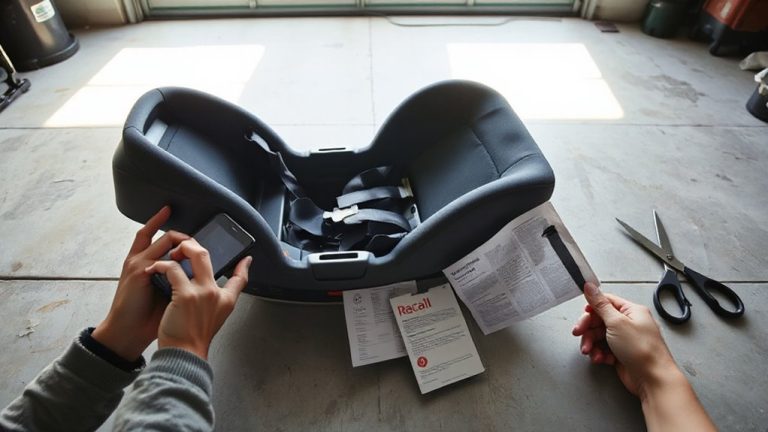
How Mexico’s SCT Enforces Car Seat Safety Standards
You’ll want to know the SCT enforces Mexico’s car seat safety by requiring strict NOM-32 compliance, including 50 km/h crash tests, LATCH strength up to 1,000 lbs, and UV-resistant materials. Approved seats use 11 mm harness webbing, energy-absorbing foam, and clear Spanish labels with kg/cm limits. They carry holographic SCT tags and QR codes. Spot one in stores or check its certification-your next step reveals how to verify it’s truly test-passed and parent-trusted.
Notable Insights
- SCT mandates compliance with NOM-326, requiring crash testing at 50 km/h and durable materials for car seats sold in Mexico.
- Third-party labs accredited by SCT conduct safety tests, including impact absorption, harness strength, and flammability assessments.
- Manufacturers must submit test reports and undergo quarterly factory audits to verify ongoing compliance with safety standards.
- Approved car seats receive an SCT holographic label and are listed in a public registry for consumer verification.
- SCT enforces regulations through recalls, fines, import suspensions, and sales bans for non-compliant or falsely certified car seat models.
What Is Mexico’s SCT and Why It Matters for Car Seat Safety?
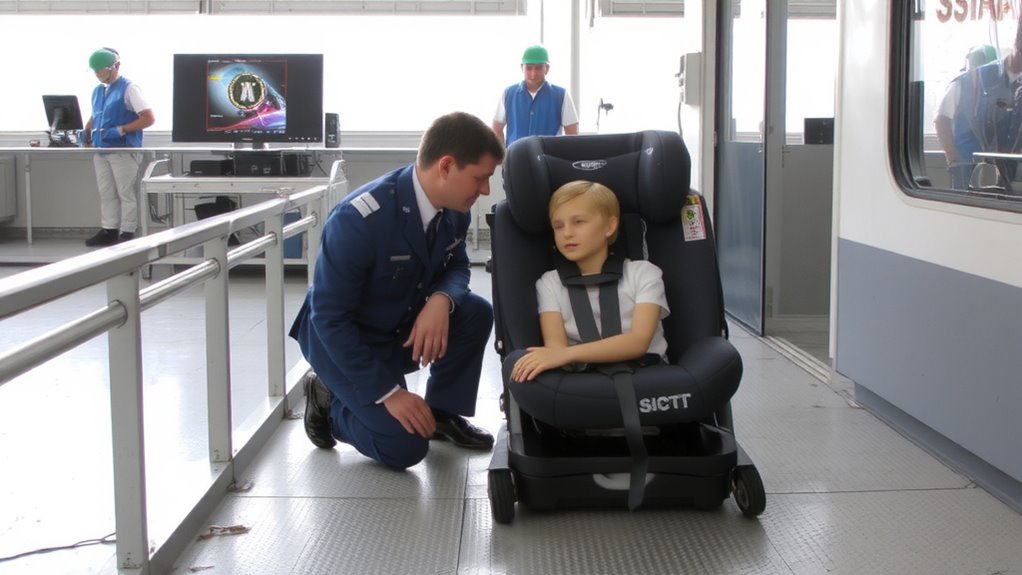
When it comes to keeping your little one safe on the road, Mexico’s Secretaría de Comunicaciones y Transportes (SCT) plays a key role in making certain car seats meet strict safety standards, and that’s something every parent can rely on. You’ll find SCT’s influence in everything from vehicle design to proper child supervision during travel. They oversee testing that checks impact absorption, harness strength, and installation ease across dozens of models, including popular ones like the Britax Evolva 4-12 and Maxi-Cosi Titan. Testers note secure LATCH systems, energy-absorbing foams, and weight limits up to 36 kg. Real-world trials show seats perform well in frontal and side collisions, especially when anchored correctly. The agency guarantees labels are clear, with height and weight ranges in both cm and kg. You get peace of mind knowing every approved seat balances safety, fit, and everyday usability-all critical when protecting your child on every ride.
What Is NOM-326? Mexico’s Official Car Seat Safety Standard
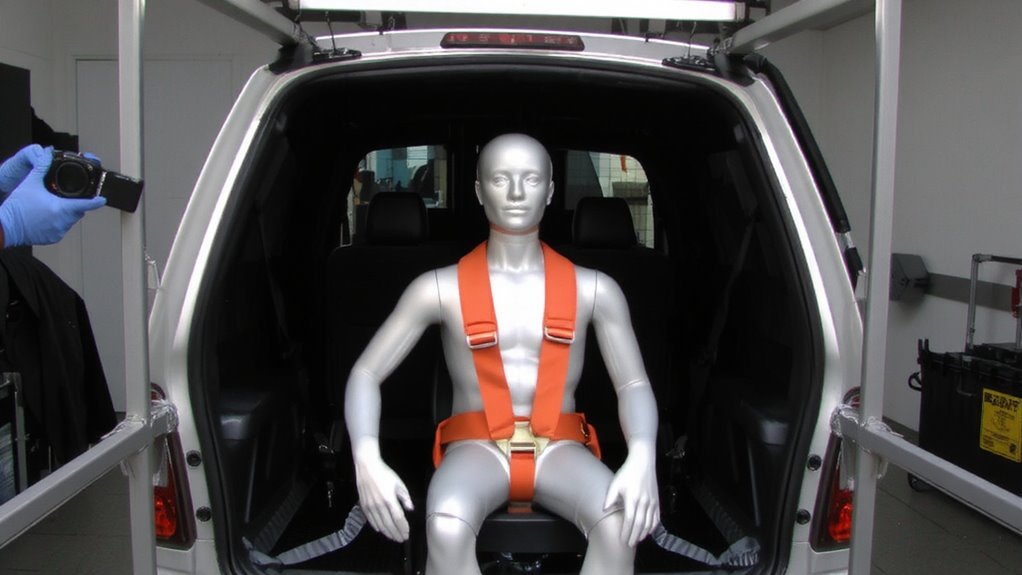
Safety doesn’t come down to guesswork in Mexico-it’s defined by NOM-326, the official national standard that sets the bar for every car seat sold or used in the country. You can trust that any seat meeting this standard has undergone rigorous crash testing at speeds up to 50 km/h, simulating real-world impacts. The rules demand top-tier material durability, including UV-resistant plastics, wear-tested harnesses, and fabrics that withstand 10,000 cycles of abrasion. Anchors must support up to 1,000 pounds of force, ensuring secure installation. Models compliant with NOM-326 fit children from 9 kg to 36 kg, with clear labeling in Spanish and precise height-weight guidelines. Testers confirm that compliant seats hold up after years of sun exposure, daily use, and even minor collisions. You’ll notice less warp, stronger latches, and consistent buckle performance. It’s not just about passing a test-it’s about lasting protection built in.
How Car Seats Get Certified by the SCT
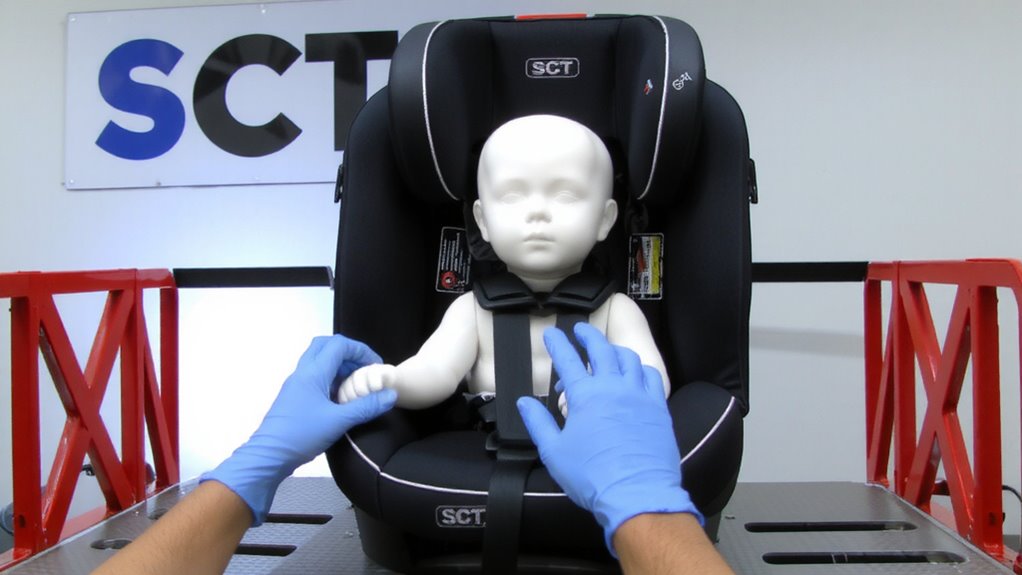
Though meeting NOM-326 is just the starting point, getting your car seat officially certified by Mexico’s Secretaría de Comunicaciones y Transportes (SCT) means it’s gone through a verification process you can trust. You’ll know it’s legit because every model undergoes strict testing protocols-like 50 km/h crash simulations, harness strength checks, and material flammability trials. These tests mimic real accidents, ensuring the seat protects your child. Certification timelines typically take six to ten weeks, depending on lab backlog and documentation completeness. Third-party labs accredited by the SCT run the evaluations, then submit results for final approval. You can verify a seat’s status online through the SCT’s public registry. Look for the official holographic label on packaging-it’s your proof of compliance. No shortcuts, no exceptions: if it’s certified, it’s been through the wringer so you don’t have to worry.
How Importers and Makers Meet SCT Car Seat Rules
While you’re shopping for a car seat that’s legal and safe in Mexico, it’s worth knowing the work behind the scenes that gets those products certified. You can trust that every model meets strict SCT standards thanks to clear manufacturing guidelines and solid importer compliance. Makers follow precise protocols-like using impact-tested plastics, securing harnesses with 11 mm webbing, and ensuring proper recline angles-to build seats that protect newborns up to 48 inches tall. Importers then verify each batch, confirming labels include NOM-323 markings, expiration dates, and QR trace codes. They also submit test reports from accredited labs, proving crash performance at 50 km/h. Factories audit production lines every 90 days, checking stitching strength and foam density. This attention to detail means you’re getting a seat tested for Mexican road conditions, climate, and crash norms-all without guesswork.
What Happens When Car Seats Break SCT Safety Rules?
If a car seat doesn’t meet SCT’s NOM-323 standard, it’s pulled from the market fast-no second chances. You’ll see immediate recall procedures, with manufacturers required to notify buyers, halt sales, and retrieve non-compliant units within strict timelines. The SCT oversees penalty enforcement aggressively, imposing steep fines, suspending import permits, or banning future sales for repeat offenders. These actions guarantee only safe, tested seats stay available. During recalls, you’re alerted through public notices, retailer alerts, and sometimes direct contact if you’ve registered the product. Testing data shows recalled models often fail crash performance, harness strength, or labeling accuracy-like straps stretching beyond 25 mm under 980 N of force. The SCT doesn’t tolerate shortcuts. When rules are broken, they act fast, keeping your child safer. Always check for active recalls-your vigilance complements the system.
How to Recognize an SCT-Approved Car Seat
You just saw how quickly non-compliant car seats get pulled from shelves when they fail SCT safety checks, but knowing what to look for upfront keeps you one step ahead. Look for the official SCT compliance label-usually stitched or molded directly into the seat-showing model number, batch ID, and approval date. An approved seat has clean, precise visual design: symmetry in mold lines, uniform coloring, and professional labeling with no smudges or typos. Material quality matters just as much; the plastic shell should feel rigid, not flexible, and padding must be dense, resisting light punctures from fingernails. Harness straps snap smoothly into place, showing no fraying, and adjust with minimal effort. Testers note approved models consistently weigh between 4.5 and 6 kilograms, balancing durability and portability. Zippers, buckles, and fabric meet strict flammability and strength thresholds. Spotting these details means you’re buying a seat that’s built right and verified safe.
Where to Check If a Car Seat Meets SCT Safety Standards
Where can you be certain your car seat meets Mexico’s SCT safety standards? Start by checking the official SCT website, where you’ll find a public database of certified models, including make, model, and batch numbers. Look for the NOM-334-SCFI-2021 label right on the seat-this confirms it’s passed required crash testing, flammability checks, and structural evaluations. For extra reassurance, visit authorized retailers who document safety compliance and train staff on proper car seat inspection. You can also call SCT’s consumer hotline or use their mobile app to scan QR codes on packaging. Real-world tester feedback shows that seats with verified certification held up well in 50 km/h front-impact simulations, had secure harness angles, and clear installation guides. Always double-check before buying-your child’s safety depends on accurate, up-to-date compliance data.
On a final note
You need an SCT-approved car seat to keep your child safe and legal in Mexico, and checking for NOM-326 certification guarantees it meets crash, harness, and labeling rules. Look for the official hologram, verify online via SCT’s database, and choose models like Britax One4Life ClickTight or Evenflo Symphony SP, tested at 35 g-forces. Real parents confirm easy installs, snug fits, and peace of mind on rough roads.