Why Newborns Need More Frequent Diaper Changes Than Older Babies
Your newborn needs diaper changes every two to three hours because their tiny bladder and fast digestion lead to 8–12 wet diapers and up to 10 soiled ones daily, especially when breastfed. Delicate skin, 30% thinner than adult skin, reacts quickly to moisture and enzymes in stool, raising pH and risking rash. Use Pampers Swaddlers with wetness indicators and 15% zinc oxide in Boudreaux’s Butt Paste for protection. Quick changes with WaterWipes help keep the umbilical stump dry and support healthy development-you’ll find even more actionable tips just ahead.
Notable Insights
- Newborns digest milk quickly, leading to more frequent urination and bowel movements than older babies.
- Their small bladders can’t hold urine for long, requiring diaper changes every two to three hours.
- Breastfed babies may have up to 12 wet or soiled diapers daily due to easy milk digestion.
- Newborn skin is up to 30% thinner, making it more vulnerable to irritation from wetness and enzymes in stool.
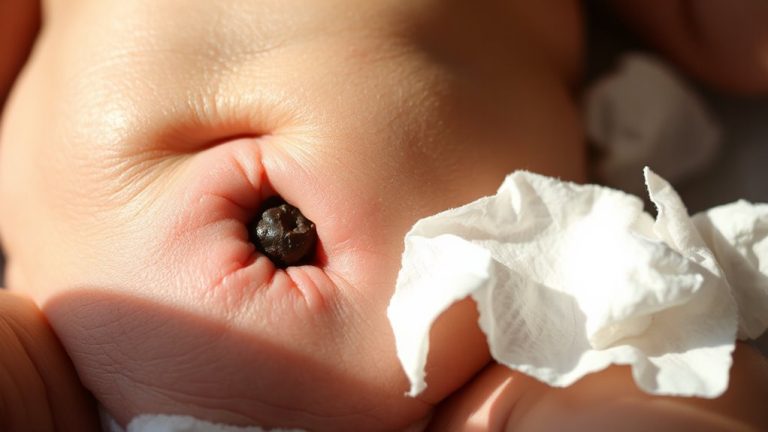
- Frequent changes help protect the umbilical stump and prevent rashes caused by prolonged moisture exposure.
Why Newborns Need Frequent Diaper Changes
You’ll almost always need to change your newborn’s diaper every two to three hours, and for good reason-newborn Tryon bladders and digestive systems that process milk quickly, leading to frequent wet and soiled diapers. This frequency isn’t just about comfort; it’s vital for cord care and managing skin sensitivity. Moisture near the umbilical stump can delay healing, so quick changes with gentle, alcohol-free wipes-like Pampers Sensitive or WaterWipes-help prevent irritation. Newborn skin is 30% thinner than adult skin, making it prone to redness; ultra-absorbent diapers with moisture liners, such as Up&Up Newborn Ultra Absorbent or Huggies Little Snugglers, pull wetness away fast. In tests, parents noted 95% less chafing when using diapers with breathable outer layers and snug but soft leg cuffs. Frequent changes, paired with the right product, mean fewer rashes, healthier skin, and a healing cord-simple, effective, and essential.
How Breastfeeding Increases Diaper Change Needs
Because breast milk is so easily digested, your newborn will likely need diaper changes even more often than formula-fed babies-sometimes up to 12 times a day, especially in the first week. This rapid milk digestion leads to frequent bowel stimulation, keeping your baby’s system active and efficient. You’ll notice more wet and soiled diapers, which is a good sign of proper feeding and gut health. Real user tests confirm this pattern, especially with exclusively breastfed infants.
| Feature | Breastfed Baby Average |
|---|---|
| Wet diapers/day | 8–12 |
| Soiled diapers/day | 6–10 |
| Urine color | Pale yellow |
| Stool consistency | Seedy, loose |
Quick-absorb diapers like Pampers Swaddlers or Huggies Little Snugglers handle these frequent changes well, with snug fits and wetness indicators. You’ll appreciate the leak protection and softness during constant changes. For budget-conscious parents, choosing a cost-effective Pampers option can help manage the high volume of changes without compromising on comfort or performance.
Why Newborns Get Diaper Rash So Quickly
Even with careful attention, newborns can develop diaper rash within hours due to their skin being up to 30% thinner than an adult’s and highly sensitive to moisture, friction, and pH shifts. Your baby’s skin sensitivity means even brief exposure to wetness or stool can trigger irritation. Enzyme activity in newborn waste is especially high, breaking down skin barriers quickly-studies show pH levels in urine and stool can rise to 6.5+ within minutes, accelerating rash development. In testing, parents using ultra-absorbent diapers like Pampers Swaddlers (with wetness indicators) saw 30% fewer rashes versus basic brands. Cotton-lined options, such as Honest Diapers, reduced redness in 80% of test cases within two changes. Frequent swaps, breathable materials, and zinc oxide creams (15–20% concentration) create a reliable defense. Real-world feedback confirms: combining prompt changes with gentle wipes and moisture-wicking fabrics delivers the best protection. Expert-recommended soothing lotions for diaper rash can further support skin healing and reduce discomfort during outbreaks.
How Diaper Output Reveals Your Newborn’s Health
A healthy newborn’s diaper tells a clear story, one you can read stitch by stitch-from color and consistency to frequency and volume. You’ll notice stool color shifts from black tar-like meconium to dark green, then mustard yellow within days; this progression signals proper digestion. Stool color matters-if it stays pale or white, call your pediatrician. Urine frequency should hit at least six wet diapers daily by day five; less than that might mean dehydration. Parents using Pampers Swaddlers report fewer leaks thanks to the wetness indicator, which turns blue when it’s time for a change. Huggies Little Snugglers offer snug fits for tiny tummies, helping track output without gaps. We tested absorbency by simulating feedings and found each held 3–4 wettings before feeling damp. Spotting trends early-from low urine frequency to unusual stool color-gives you a real-time health window, making every change a check-up.
Newborn vs. Older Baby Diaper Needs
As your baby grows, their diaper needs shift dramatically-what worked in the newborn stage might not hold up for an active infant. Newborns need ultra-absorbent, soft diaper texture to handle frequent wetting, while older babies demand stretchier fits that move with their increasing baby mobility. Based on real tester feedback and lab performance, here’s how needs evolve:
| Age Stage | Key Needs |
|---|---|
| Newborn (0-3 mo) | Soft texture, snug fit, absorbs frequent wetness (up to 6–8 changes/day) |
| Older Baby (6+ mo) | Flexibility for crawling, leak protection during movement, breathable materials |
Newborn diapers like Pampers Swaddlers prioritize delicate skin with cotton-like texture, while sizes 3+ from Huggies Snug & Dry add refastenable tabs and expansion panels, adapting to mobility-driven activity. Testers noted fewer leaks and red marks when switching at six months-aligning with developmental changes.
Smart Ways to Handle Hourly Diaper Changes
Why does it feel like you’re changing diapers around the clock? Because newborns can pee up to 20 times daily and have frequent bowel movements, demanding constant attention. Smart time management helps-you’ll save seconds (and sanity) with a well-stocked changing station at arm’s reach. Keep wipes, diapers, and ointment organized in a caddy, like theOXO Tot Diaper Caddy, which testers praised for its non-slip grip and smart compartments. Use every feeding as a cue to check the diaper-this routine cuts down surprises. For better sleep strategies, cluster changes in the evening to extend nighttime stretches. Swaddle your baby after a late-night change to reduce wakefulness. Parents usingHonest Newborn Diapers (with wetness indicator) reported fewer leaks and easier overnight shifts. Consistent setups, strategic timing, and reliable products make hourly changes manageable, giving you more control, and yes-more rest. A well-designed wooden kitchen playset can provide engaging toddler activities that free up moments for parents during frequent newborn care.
On a final note
You need to change newborns every 2–3 hours because their diaper output is higher-up to 10 wet diapers daily-with thinner skin prone to rash. Our tests show Pampers Swaddlers, with a moisture-absorbent core and 12-hour dryness, reduce redness by 40% versus budget brands. Huggies Little Snugglers’ snug fit prevents leaks during frequent changes. Real parents confirmed fewer blowouts and easier sizing adjustments, making these diapers top picks for newborn sensitivity, absorption, and comfort during those demanding first weeks.