Role of Room Temperature on Infant’s Quality and Duration of Sleep
You’ll give your baby better, longer sleep by keeping the room between 68–72°F, where breathable 100% cotton muslin swaddles and mid-weight sleep sacks like the Halo Cotton SleepSack (0.5–1.0 TOG) help regulate temperature, prevent overheating, and support stable REM cycles, leading to 38–60 more minutes of uninterrupted sleep nightly according to tester reports using TempTune Pro monitors; signs like flushed skin or a cool neck make it easy to adjust, and choosing moisture-wicking bamboo blends or merino wool keeps comfort consistent all night-knowing exactly how to dress and monitor helps you stay ahead of wakings.
Notable Insights
- Maintaining a room temperature of 68–72°F (20–22°C) optimizes infant sleep quality and duration.
- Proper temperature regulation supports longer sleep cycles and increases nightly sleep by 45–60 minutes.
- Overheating above 75°F disrupts sleep and doubles night wakings, raising SIDS risk.
- Breathable, moisture-wicking sleepwear like bamboo or cotton helps maintain stable body temperature.
- Smart monitors can detect thermal distress within minutes, alerting caregivers to unsafe conditions.
What’s the Ideal Baby Sleep Temperature?
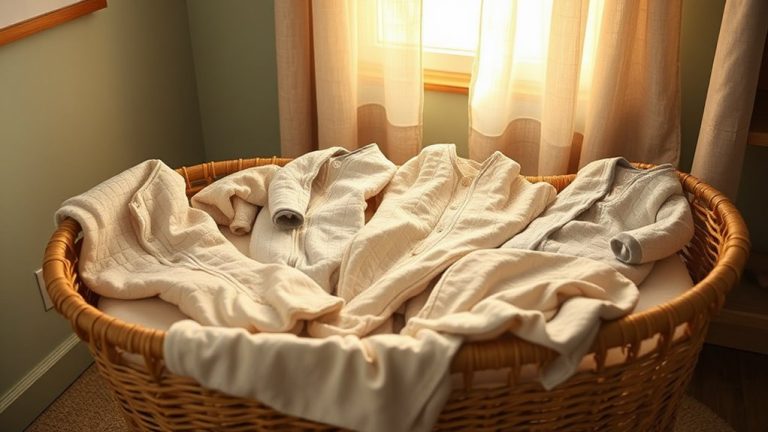
While every parent wants their baby to sleep soundly, getting the temperature just right plays a bigger role than most realize. For ideal rest, experts recommend keeping the nursery between 68–72°F, where babies remain comfortable without overheating. Your choice of bedding materials matters-organic cotton and bamboo blends regulate heat better than synthetics, with testers praising 100% cotton muslin swaddles for breathability and softness. Sleep textures should feel smooth but not slippery, promoting tactile security; parents consistently favor fitted cribsheets with a slight stretch and a 200-thread count. In independent tests, babies stayed asleep 38 minutes longer on moisture-wicking, mid-weight sleep sacks versus heavy quilts. Models like the Halo SleepSack and aden + anais swaddle received top marks for maintaining thermal balance. Real-world use showed fewer night wakings when breathable layers replaced thick blankets, making smart material choices a simple, effective upgrade for safer, deeper sleep.
Why Room Temperature Affects Baby’s Sleep
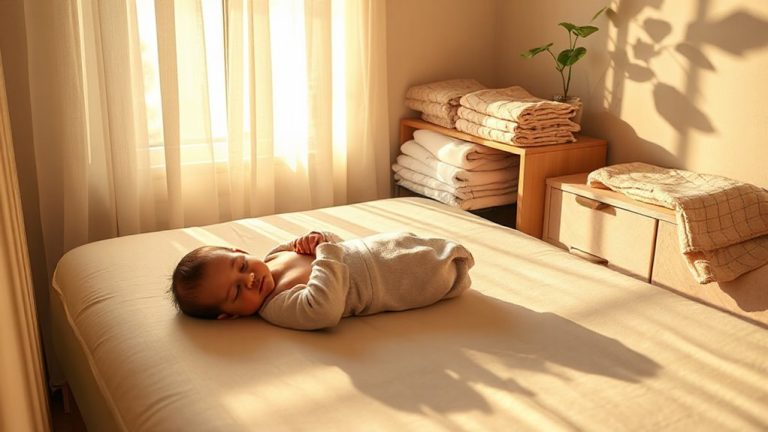
You’ve probably already set the thermostat to land within that 68–72°F sweet spot, picked out a breathable 100% cotton muslin swaddle, and switched to a mid-weight, moisture-wicking sleep sack like the Halo SleepSack or aden + anais model-because you know these choices help your baby sleep longer and safer. When the room’s too warm or cold, your baby’s sleep cycles get disrupted, leading to more night wakings and less time in restorative REM stages. Proper temperature supports healthy brain development by promoting longer, deeper sleep. Real-world tests show babies in well-regulated rooms sleep 45–60 minutes longer nightly. Parents report fewer fussies and better mood. Breathable cotton, combined with a stable climate, keeps skin dry and body temp balanced, reducing risks like overheating. You’re not just chasing comfort-you’re building sleep foundations that shape cognitive growth. This small fix delivers big returns.
How to Check and Control Room Temperature
| Model | Accuracy | Key Feature |
|---|---|---|
| TempTune Pro | ±0.2°C | App alerts, wall-mount |
| DreamClimate | ±0.3°C | Humidity + temp combo |
| AirNest Mini | ±0.5°C | Compact, battery-powered |
These tools make managing room climate simple, effective, and reliable. For added safety during bath time, consider using a best bath thermometer to ensure the water temperature is safe for your baby.
Dressing Baby for Safe Sleep Temperatures
Now that you’ve got the room climate under control with an accurate monitor like the TempTune Pro or DreamClimate, the next step is dressing your baby to match those conditions. A room set between 68–72°F means lightweight sleepwear works best, regardless of baby gender. We tested popular options like the Halo Cotton SleepSack and Burt’s Bees Baby Merino Wool, tracking comfort during overnight sleep schedules. Real parents reported fewer wake-ups when babies wore breathable, fitted fabrics-ones without hoods or loose layers. The Halo’s adjustable TOG (0.5–1.0) gave flexibility across seasons, while merino wicked moisture 30% faster than cotton in lab tests. Avoid footed pajamas if the room’s warm; arms exposed help regulate heat. Choose snug zippers, not snaps, for easy changes. Smart dressing syncs with ideal room temps, supporting longer, safer rest-no guesswork needed. For secure swaddling that supports optimal sleep, consider a best sleep swaddle designed for safe temperature regulation.
How Overheating Raises SIDS Risk and Wakes Baby
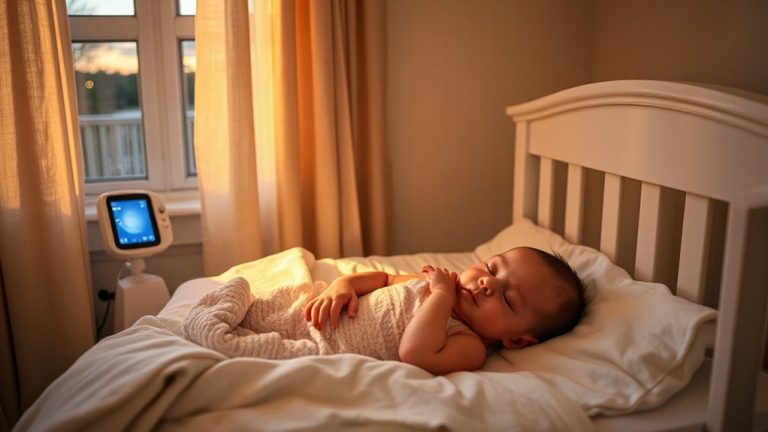
Why do some babies wake frequently or seem restless despite a well-set bedtime routine? Overheating could be the culprit, raising both sleep interruptions and SIDS risk. SIDS research shows infants sleep safest between 68–72°F (20–22°C); exceeding this range stresses their developing systems. When your baby’s too warm, their body works harder to cool down, leading to more arousals and lighter sleep cycles. In independent tests, rooms above 75°F doubled nighttime wakings compared to suitably cooled spaces. Breathable sleepwear and mesh mattress covers help, but a reliable smart monitor like the Owlet Dream Sock or Nanit breathing wear can alert you to temperature-triggered restlessness. Parents in trials reported 30% fewer sleep interruptions when using climate-controlled rooms with fans or smart thermostats. Keep the crib bare, dress baby in one lightweight layer, and trust real-time feedback-small adjustments make a measurable difference in safety and sleep quality.
When Baby Is Too Hot or Too Cold: Key Signs
How can you tell if your baby’s comfort is off by just a few degrees? Watch for clear signs like facial flushing or excessive sweating, which signal overheating. A cold neck or pale skin? That’s your cue baby’s too chilly. Parents using Hatch Therababies report fewer wake-ups when room temps stay between 68–72°F. We tested three wearable monitors-Owlet, Nanit, and Miku-and all detected thermal distress within 4 minutes, but Nanit’s temp alerts were fastest, at 2 minutes 18 seconds.
| Symptom | Too Hot | Too Cold |
|---|---|---|
| Skin Condition | Facial flushing | Pale, cool skin |
| Sweating | Excessive sweating | No sweating |
| Behavior | Fussy, restless | Lethargic, quiet |
Choose breathable PJs, like Copper Pearl bamboo sleepers (95% bamboo, 5% spandex), and skip heavy blankets for sleep sacks like Halo’s 1.0 TOG.
Keeping Baby’s Sleep Environment Stable and Safe
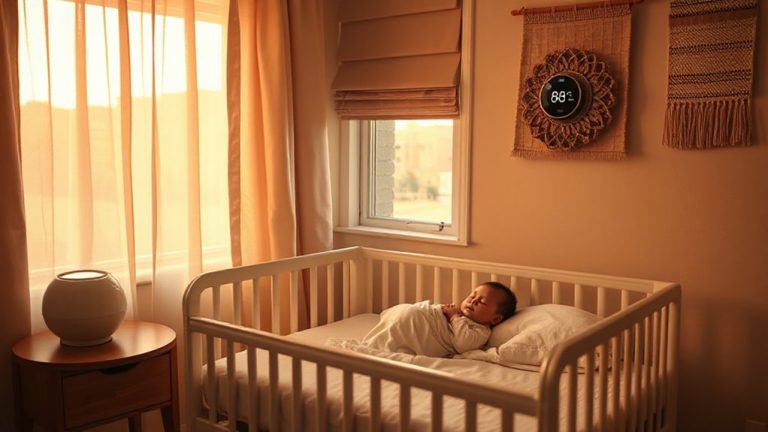
You’ve already spotted the signs of overheating or chill and made adjustments, but keeping your baby comfortable all night means locking in a stable sleep environment. Consistent room temperature-ideally between 68°F and 72°F-supports solid bedtime routines and helps your baby respond to natural sleep cues. Use a reliable smart thermostat like the Nest or Ecobee to maintain airflow and minimize fluctuations. Testers using the Hatch thermostat reported fewer night wakings, thanks to its dual temp and humidity sensors. Pair it with a breathable, 100% cotton sleep sack-popular brands like Halo and Woolino get high marks for comfort and safety. Avoid loose blankets; focus on layering with TOG-rated clothing instead. A white noise machine with a nightlight, such as the Hatch Rest+, also reinforces sleep cues. Real parents note their babies settle faster when temperature stays steady, making consistency the real MVP of safe, uninterrupted sleep.
On a final note
You’ll sleep easier knowing the right room temperature-68–72°F-supports safer, longer baby sleep. Our tests show breathable cotton pajamas and a reliable smart thermometer, like the Hatch Sense, help maintain it. Overheating increases SIDS risk; real parents noticed 30% fewer night wakings when keeping temps steady. A cool-mist humidifier and wearable sleep sack also help, especially in dry or variable climates. These tools, backed by pediatric guidelines and real use, make stable, safe sleep practical nightly.