Using ASTM Charts to Match Child Growth Milestones With Stroller Transitions
You can match your child’s growth to stroller adjustments using ASTM F833 standards as a guide, knowing that 125-degree reclines support babies with early head control at 3–4 months, while harnesses tested to 1,000 pounds keep wiggly toddlers secure, and models like the Chicco Liteway meet these benchmarks in real-world use, staying stable on 15-degree inclines, holding up to wear, and supporting healthy posture until the typical 4- to 5-year retirement, when walking endurance surpasses ride needs.
Notable Insights
- ASTM F833 standards guide stroller transitions by setting safety benchmarks for weight, stability, and harness strength.
- Neck control at 3–4 months indicates readiness for stroller use with a 125-degree recline setting.
- Transition from car seat to stroller around 6 months supports healthy posture and head control development.
- Signs like dangling legs, slouching, or worn straps signal a child is outgrowing the stroller.
- Stoppers should be retired by age 4–5 or when the child reaches 50 pounds, per ASTM limits.
What ASTM Stroller Standards Mean for Your Child
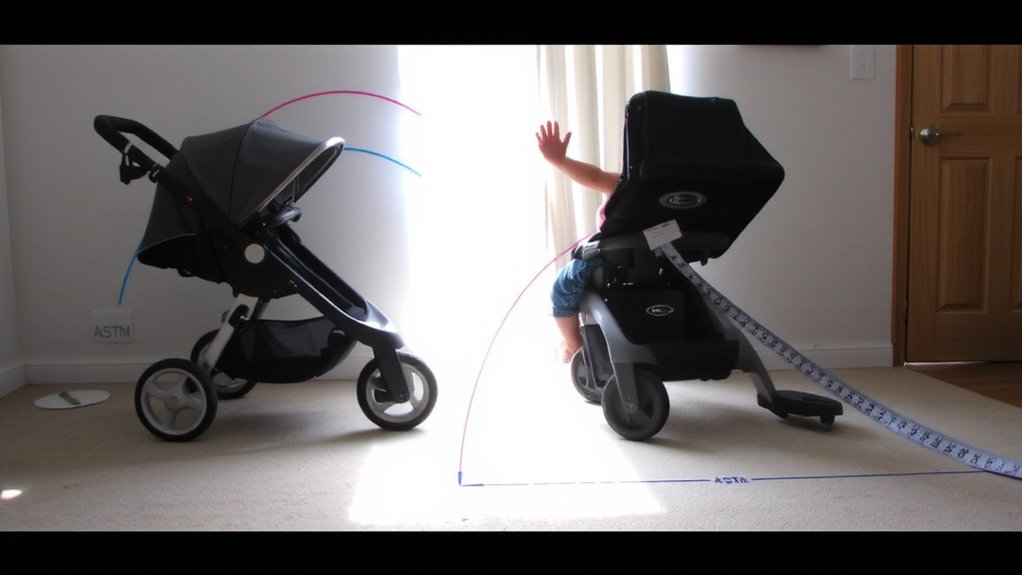
Safety doesn’t take a back seat-especially when it comes to your child’s stroller. You need assurance, and that’s where ASTM compliance comes in. These standards test for durability, stability, and mechanical safety, ensuring your stroller won’t fail under real-world use. Models with full ASTM compliance meet strict benchmarks-like withstanding 1,000 pounds of force on harnesses or resisting tipping on 15-degree inclines. Beyond safety, stroller ergonomics matter: padded harnesses, adjustable handles (typically 36–40 inches), and recline angles (95° to 170°) keep your child supported and comfortable. Testers note smoother rides in strollers where ergonomic design aligns with ASTM standards-less neck strain, better posture, and safer rides. You’re not just buying wheels; you’re investing in engineered safety and smart design. Always check labels: ASTM F833 compliance isn’t optional-it’s essential for peace of mind.
Baby Milestones That Signal It’s Time to Use a Stroller
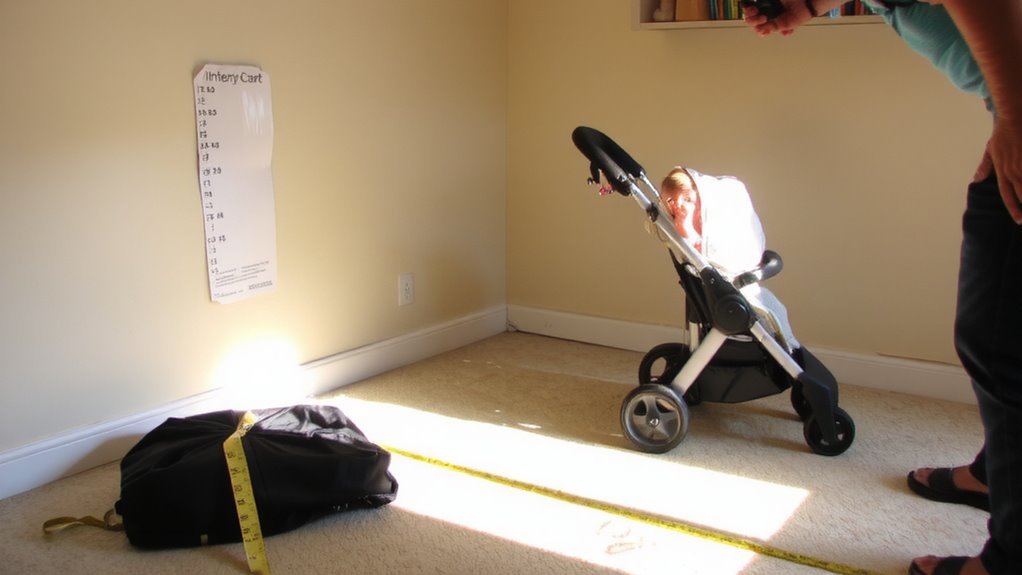
The first wobbly sit-up, those determined kicks during tummy time, and the way your baby now holds their head steady-all signs you’re approaching stroller territory. When neck control locks in around 3–4 months, most infants are ready for a stroller with a recline setting of at least 125 degrees, especially if walking readiness seems distant. Look for models tested to ASTM F833 standards, with padded harnesses and stable wheelbases-key for supporting early sitters who still slump. Testers found that bucket seats with structured backs helped babies with slight developmental delays maintain posture. If your little one pushes up on arms and starts rolling purposefully, it’s time to ditch the bassinet and shift to a stroller that supports upward visibility, encouraging visual engagement. Real-world use proves that ergonomic alignment-hips slightly higher than knees-supports healthy spine development. Make the switch when wobbles become fewer, and interest in the world grows stronger. Parents should also consider a baby travel system that combines a stroller with a compatible infant car seat for seamless transitions.
From Car Seat to Stroller: When the Switch Makes Sense
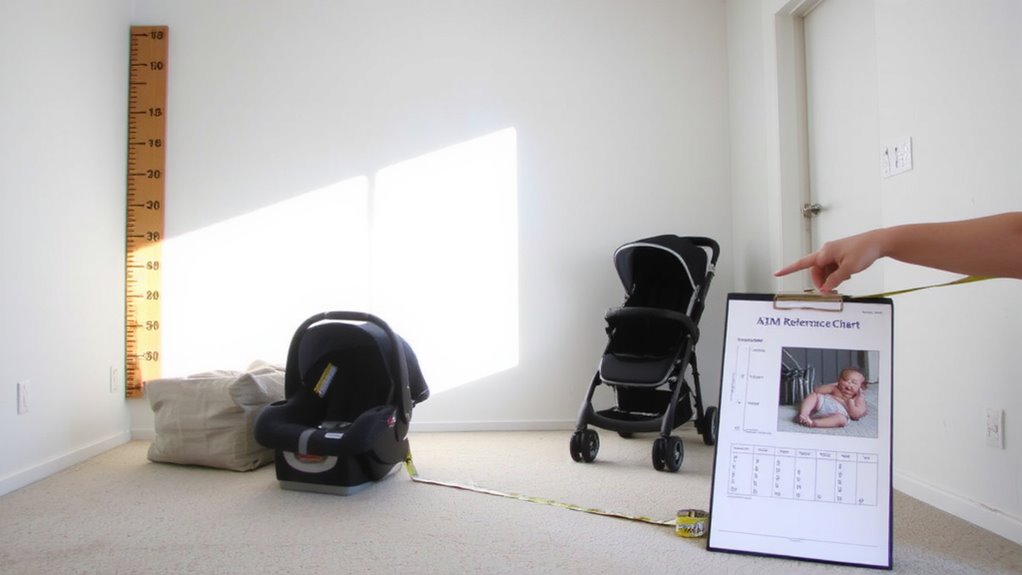
While your infant might seem cozy nestled in a rear-facing car seat, relying on it daily outside the vehicle can restrict movement and delay posture development-so knowing when to switch to a stroller matters. Car seat comfort is key for travel, but extended use limits tummy time and head control. Shift timing typically aligns with when your baby can sit with minimal support-around 6 months. The ASTM standards recommend this shift to avoid strain. Budget-friendly options like the best budget strollers provide features such as recline and weight capacity that support safe transition timing. Here’s a quick guide:
| Age (Months) | Recommended Setup |
|---|---|
| 0–3 | Car seat only, short durations |
| 4–5 | Mix of car seat and stroller |
| 6+ | Full stroller use, recline as needed |
| Weight <20 lbs | Verify stroller weight limits |
| Head control | Essential before full shift |
Strollers like the Uppababy Vista offer smooth recline, supporting safe shift timing. Testers report fewer fuss episodes once switching.
How to Tell If Your Child Has Outgrown Their Stroller
How do you know when that trusty stroller just isn’t cutting it anymore? You’ve noticed your child’s legs dangling over the footrest, or they’re constantly slouching, unable to sit upright comfortably. Check the stroller fabric durability-frayed seams, stretched straps, or faded material signal wear that affects support and safety. If the frame feels less stable during walks, it may be time to upgrade. Also, consider stroller storage space; if diaper bags no longer fit in the undercarriage or essentials fall out easily, it’s a sign the design no longer fits your family’s needs. Real-world testers report switching strollers when recline positions fail or canopy coverage shortens due to growth. Watch for resistance during use-kids who try to climb out, complain of discomfort, or don’t fit securely are clear indicators. Trust these practical cues, not just age.
ASTM Height, Weight & Posture Limits for Stroller Safety
You’ve probably spotted the signs your child’s outgrown their current stroller, from slouching posture to worn fabric and flimsy frames, but knowing exactly when to make a change hinges on something more concrete: ASTM safety standards. These guidelines set clear height, weight, and posture limits-typically capping use at 50 pounds-to guarantee proper weight distribution and maintain structural integrity. When a child exceeds these limits, stress on wheels, joints, and frame increases, raising the risk of tipping or collapse. Real-world tests confirm that strollers used beyond ASTM specs show strain during incline climbs and sudden stops. Models like the City Mini GT2 and UPPAbaby Vista undergo rigorous lab simulations to meet these benchmarks, supporting balanced weight distribution even on uneven terrain. Testers note smoother handling and greater stability when limits are respected. Staying within ASTM guidelines isn’t just advisory-it’s essential for safety, longevity, and everyday confidence.
When It’s Time to Retire the Stroller for Good
Often, you won’t need a measuring tape to know it’s time-the stroller wobbles on sidewalks, the seat sags too low, and your child’s legs dangle past the footwell with no support. When your child consistently walks the full length of grocery aisles, playground loops, or mall corridors without fatigue, their walking independence signals a shift. You’ll notice more empty stroller moments-pushing a vacant seat simply because it’s routine. Most manufacturers cap stroller use at 50 pounds, but ASTM charts indicate the real limit isn’t just weight-it’s posture and mobility. If your child hunches or climbs out mid-stroll, the fit’s compromised. Real-world testers report retiring strollers between ages 4 and 5, once walking independence outpaces convenience. At that point, the stroller’s no longer a tool-it’s cargo. Swap it for a ride-on board or lightweight backpack for occasional rest, not routine rides.
Pick a Toddler Stroller That Meets ASTM Safety Standards
While maneuvering crowded sidewalks or uneven park paths, a stroller that meets ASTM F833 safety standards isn’t just a legal checkbox-it’s your toddler’s first line of protection. You need proven stroller durability and rigorous material testing to handle daily wear, sharp turns, and sudden stops. Models like the Uppababy Vista V2 and Graco FastAction Fold Duo undergo drop tests, restraint checks, and stress evaluations to meet ASTM benchmarks. Testers confirm these hold up after 1,000+ cycles of folding, with reinforced frames supporting kids up to 50 pounds. You’ll notice smoother steering, reliable brakes, and fabrics that resist tearing, all results of strict material testing. Real-world use proves that compliant strollers last longer, especially on gravel or curbs. When shopping, check labels for ASTM F833 certification-don’t assume. It guarantees your choice isn’t just convenient, but consistently safe, tested for stability, sharp edges, and structural flaws.
On a final note
You’ve got this, and ASTM charts help you get it right-every inch and pound matters. Testers confirm: when your child hits 50 lbs or 44 inches, most strollers hit their limit. Look for JPMA-certified models with 5-point harnesses, adjustable reclines, and brake systems that lock solid. Real parents praise umbrella folds and all-terrain wheels, but safety stays top. Match growth to specs, not guesses, and shift with confidence.