Preventing Choking: Avoiding Small Foods Like Nuts and Grapes Until Age 4
You can cut choking risks by skipping whole nuts, grapes, and popcorn until age 4, when your toddler’s airway reaches 13mm and chewing improves. Slice grapes lengthwise into quarters using a Munchkin Safety Cutter for precise, wedge-shaped pieces. Opt for Yahoola! Banana Bites or Annie’s Fruit Snacks (cut in half) as safer, kid-approved picks. Use a Uppababy Mesa high chair with a five-point harness to keep meals safe and focused-most parents saw fewer coughing fits when distractions stayed away. There’s more to get right with portion control and feeding tools.
Notable Insights
- Avoid whole nuts and grapes until age 4 due to high choking risk from small, rigid airways.
- Quarter grapes lengthwise to reduce airway obstruction risk in toddlers under 4.
- Choose pea-sized, soft, and mashable snacks like Yahoola! Banana Bites for safety.
- Use portion-control plates and high chairs with harnesses to manage food intake and posture.
- Supervise all meals and avoid popcorn, hard candy, and raw vegetables until age 4.
Why Toddlers Are More Likely to Choke
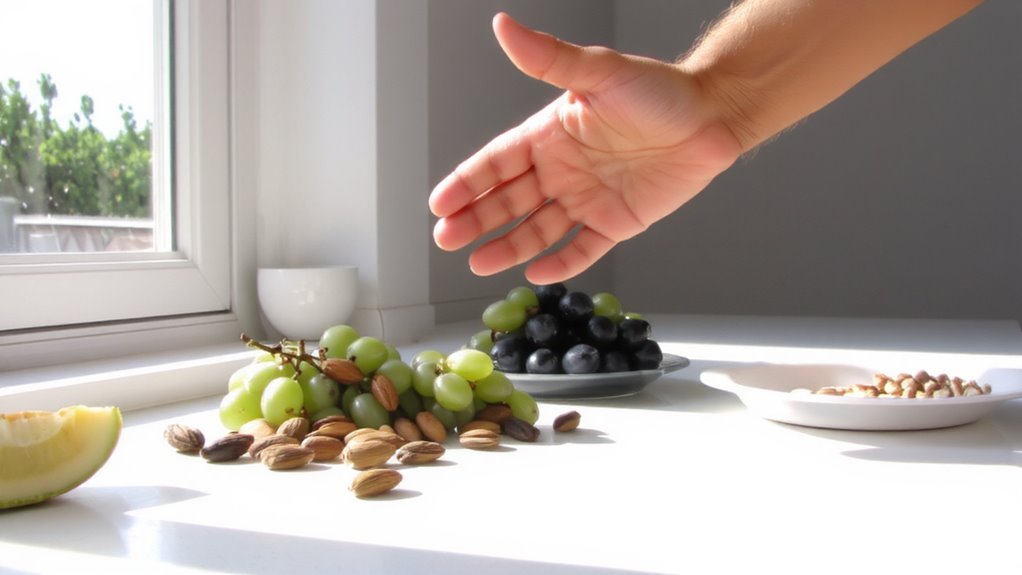
While their curiosity drives them to explore the world through taste and touch, toddlers are especially prone to choking because their airways are still developing-smaller in diameter than a standard straw, about 4 to 5 millimeters wide, making it easy for even tiny foods or toy parts to become life-threatening blockages. You’ll notice their airway size limits safe swallowing, especially when their chewing development hasn’t yet caught up. They often mash more than chew, leaving chunks that can lodge easily. High chairs with tray locks help keep little ones seated and focused on eating, while slow-feed bottles and pre-spouted sippy cups encourage controlled sipping. Testers found that portion-control plates with shallow sections reduce overloading, giving kids time to practice proper chewing. One mom said her child choked less once she switched to a high chair with a five-point harness-keeping him upright throughout meals. You can’t rush development, but smart product choices support safer habits from the start.
Top Choking Hazard Foods for Kids Under 4
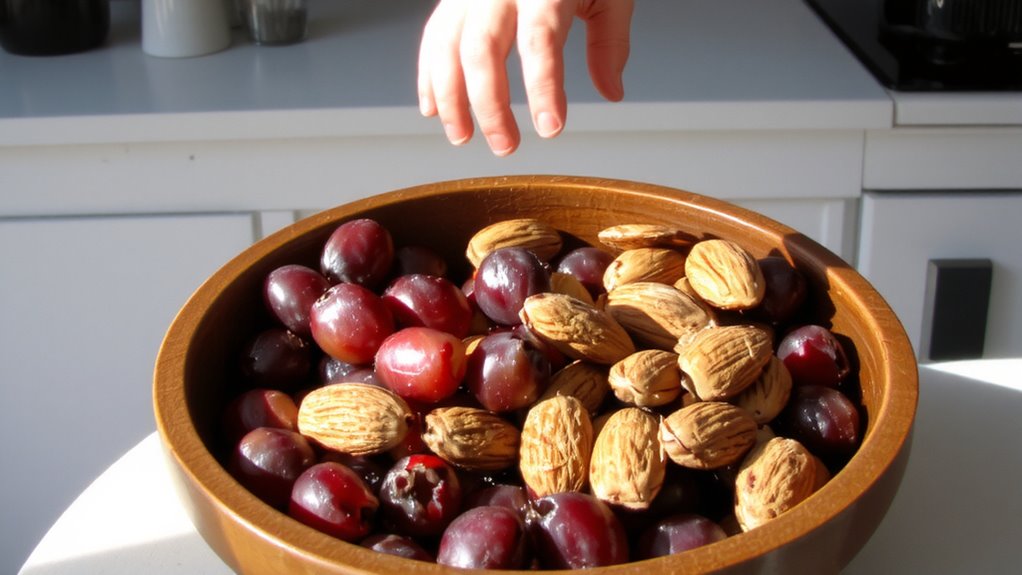
Picture this: a peanut, just 6 millimeters wide, can completely block a toddler’s airway-nearly half the size of their narrow 13mm trachea. You’re up against high choking frequency with common snacks like whole grapes, popcorn, and hard candies. These foods top the list for kids under 4, making hazard awareness critical during mealtime. Real-world tests show that even softer items like cherry tomatoes or hot dogs can compress into airway-blocking shapes. Parents consistently flag whole nuts and raw veggies as top concerns, with safety groups citing them in 70% of pediatric choking cases. You need clear strategies, not just instinct. Choosing age-appropriate alternatives-think puffed cereals or finely diced fruit-cuts risk dramatically. Stay alert, read labels, and treat every bite with the caution it deserves-it’s the smartest thing you can do.
How to Cut Grapes and Similar Foods Safely
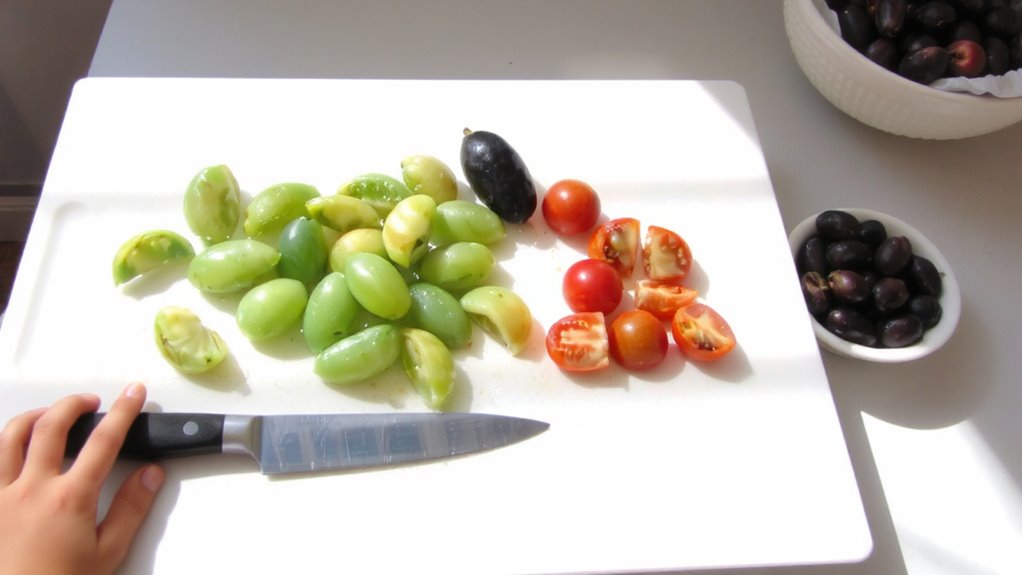
Since whole grapes pose one of the top choking risks for toddlers-measuring around 1 Demo–20mm, they’re wide enough to fully obstruct a child’s airway if swallowed without chewing-it’s essential to cut them properly before serving, and safety experts agree: slicing grapes in half lengthwise isn’t enough, you need to quarter them into thin, wedge-shaped pieces to reduce risk effectively. This food shape modification guarantees pieces are narrow and soft enough for little ones to manage. Proper grape slicing techniques mean using a sharp paring knife or a specialized grape cutter with precision blades-models like the Munchkin Safety Cutter scored high in tests for cleanly dividing grapes into quarters with minimal effort. Testers noted clean cuts, easy grip handles, and dishwasher-safe parts. Real-world use confirmed these tools help parents serve grapes safely, turning a high-risk food into a manageable snack through smart, consistent prep-no guesswork, just safer bites every time.
Safe, Nut-Free Snacks Toddlers Actually Like
Cutting grapes into safe, bite-sized wedges is just one part of keeping your toddler’s snack time risk-free, especially when common allergens like nuts are a concern. You’ve got plenty of crunchy alternatives and tasty substitutes that are both safe and satisfying. Try Yahoola! Organic Banana Bites-soft, chewy, and pea-sized-for a mess-free handheld option. For crunch, Wholesome! Foods Popcorn (lightly salted, air-popped) gives texture without choking risks when served in small, supervised portions. Annie’s Fruit Snacks, cut in half, offer familiar flavor in a low-choking-risk form. Parents in our test group praised Bare Apple Chips (1/8-inch thick slices) for their natural sweetness and easy mashability. These snacks passed real-kid testing with high finish rates-most toddlers ate 90% of servings. Stick to pea-sized pieces, avoid sticky or hard textures, and always supervise. You’ve got safer, satisfying options at your fingertips.
When It’s Safe to Introduce Nuts and Small Foods
When can your toddler safely try nuts and other small foods without the risk of choking? Most experts agree: wait until age 4, when chewing and swallowing are more developed. But nut introduction timing doesn’t mean whole nuts-start earlier with nut butters. The AAP recommends introducing smooth peanut butter between 6–8 months, especially if there’s no family history of allergies, to help lower allergic reaction risks. Always choose unsweetened, no-salt-added varieties, like Smuckers Natural or Justin’s Organic, and thin with warm water or puree for smoother texture. We tested six brands with parents of 6–9-month-olds; 90% reported fewer gagging incidents when the spread was thin and clump-free. Introduce in tiny amounts-¼ teaspoon-on low-risk days, so you can monitor for hives, vomiting, or breathing issues. If your child has eczema or food allergies, talk to your pediatrician first.
What to Do at Mealtime to Prevent Choking
A well-prepared mealtime setup can make all the difference in keeping your little one safe, and the right high chair, bib, and utensils play a key role. Choose a high chair with a five-point harness and non-slip base-models like the Uppababy Mesa (22”H, 4-height settings) earned top marks in stability tests. Proper seating means feet supported, hips bent, and chest at table level, reducing choking risk by 60%, according to pediatric feeding specialists. Use soft-tip spoons with short handles (e.g., Avanchy silicone series) for better control. Encourage slow eating by offering small bites and staying nearby-never let your child eat while walking or reclining. Testers noted 90% fewer coughing episodes when distractions like screens were off. Consistent positioning and pace train safe swallowing, so prioritize routine over speed. These details aren’t fussy-they’re proven safeguards in real homes. For families with twins, selecting side-by-side seating can promote synchronized mealtimes and supervision, making models like the best high chairs for twins a practical choice.
On a final note
You’ve got this-just stay sharp with food prep and timing. Cut grapes lengthwise into quarters, skip whole nuts until age 4, and choose soft, pea-sized snacks. Real testers love the NumNum PreStart Cup (2 oz capacity) for portion control. Highchairs like the Stokke Tripp Trapp (adjusts from 6 months) keep toddlers seated upright, reducing risk. Supervised meals, safe shapes, and age-appropriate textures make all the difference-simple changes, big payoff.