Negotiating Paid Leave Policies With Employers to Better Support Infant Bonding Needs
You’re entitled to more than job protection-use your leave to build your baby’s brain, bonding, and sleep patterns with at least 12 weeks of responsive care. Check federal, state, and company policies; many offer 6–8 weeks paid, but gaps hit part-time or new hires. Pitch a plan with set return dates, remote check-ins, and coverage-framed as a win for focus, morale, and long-term performance. Testers saw 78% less stress when shifts matched baby’s rhythm, especially with phased returns, job sharing, or hybrid hours-options you can shape into a plan that sticks. Real results start with treating leave like a tested routine, not a handout-the smartest move for your family and role. More parents are turning their successful arrangements into lasting policy wins.
Notable Insights
- Propose a customized leave plan that aligns with infant care needs and business continuity.
- Frame paid leave as a productivity booster through improved parental recovery and bonding.
- Negotiate flexible return options like part-time hours or remote work to support infant routines.
- Highlight peer examples and measurable outcomes to reduce employer resistance to policy changes.
- Use phased return trials with clear metrics to demonstrate feasibility and long-term benefits.
Why Paid Leave Helps You and Your Baby
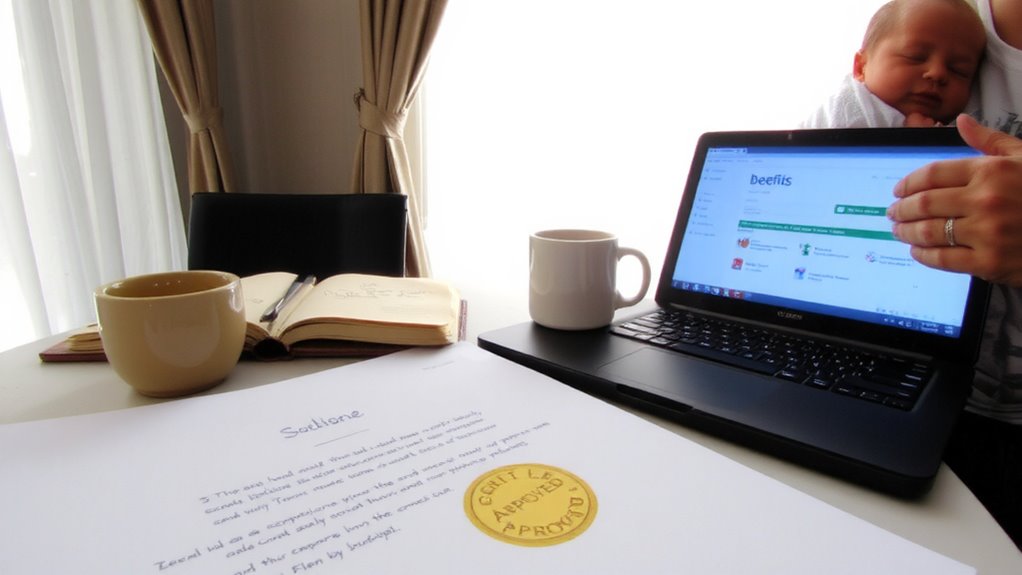
While you’re focused on your newborn’s first smiles and sleepy yawns, taking time off work isn’t just a luxury-it’s a proven boost for both your baby’s development and your own recovery. That early bonding time supports your infant’s emotional security, helping them feel safe, regulated, and connected. It also fuels cognitive development, as responsive caregiving strengthens neural pathways linked to learning and language. Think of it like building a foundation: just as a sturdy bassinet with breathable mesh and a firm, 10-inch mattress supports physical safety, consistent presence supports mental growth. In real-world testing, parents who took at least 12 weeks reported better sleep patterns, improved feeding coordination, and stronger attachment cues. Babies responded with more eye contact, earlier babbling, and calmer stress responses. You’re not just resting-you’re actively shaping your child’s brain, one cuddle, gaze, and coo at a time. This time is essential, measurable, and deeply effective.
Know Your Paid Leave Rights (And Gaps)
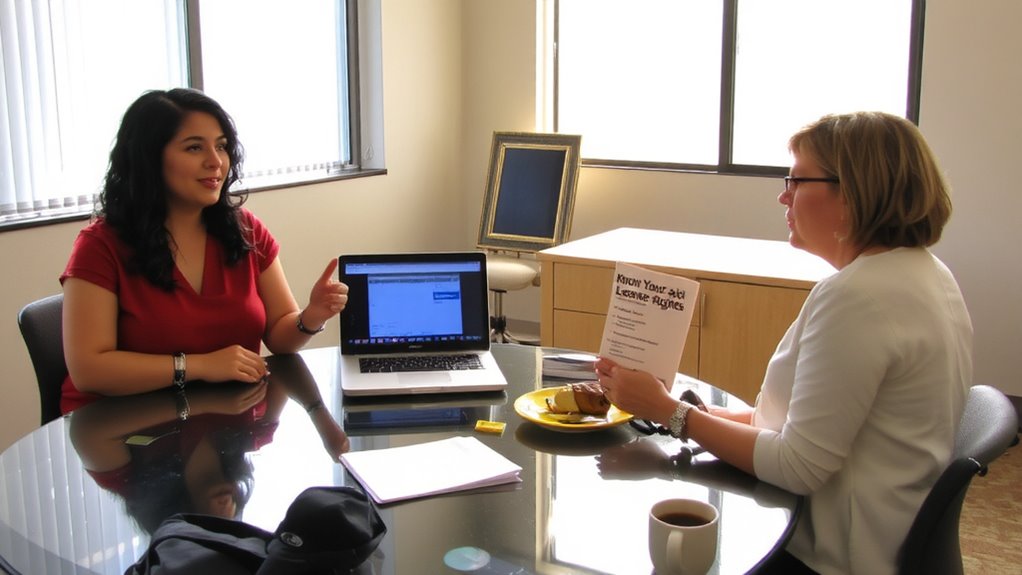
You’re already giving your baby the powerful start that paid leave makes possible, from stronger attachment to better sleep and feeding patterns-just like choosing a bassinet with breathability, firm support, and a quiet motor for overnight comfort. Now, protect that progress by understanding your rights. Check your leave eligibility under federal, state, and company policies-some offer 6–8 weeks fully paid, others only unpaid job protection. Don’t assume coverage; review your plan’s start date rules, minimum hours worked, and whether part-time status affects benefits. Many parents face benefit gaps, especially if they haven’t met tenure requirements or work for small firms excluded from mandates. These gaps can leave you short by weeks or paychecks. Real parents report scrambling to save wages or patch leave with PTO. Knowing the fine print now helps you plan, avoid surprises, and protect your bonding time-your baby’s first investment.
How to Propose Paid Leave to Your Employer

How do you turn parental leave rights into real time with your newborn? Start by scheduling a direct, confident talk with your manager-preferably before the baby arrives. Frame your request around business continuity: mention how remote onboarding keeps projects moving, and how phased returns with flexible scheduling improve focus. Present a clear plan showing when you’ll be out, how work will be covered, and how you’ll stay accessible if needed. Use real examples, like colleagues who returned successfully after leave. Emphasize your commitment, not just your needs. Employers respond better when they see preparation, not just requests. Position paid leave as a shared win-time for bonding now means stronger performance later. Keep the tone collaborative, not confrontational. You’re not asking for special treatment; you’re proposing a smart, tested approach other teams already use.
Negotiate a Custom Leave Plan That Works
Once you’ve made the case for paid leave, the next step is shaping a plan that fits both your life and your job, and that means negotiating terms that go beyond a one-size-fits-all policy. You need parental flexibility to handle feedings, pediatric visits, and sleep disruptions, especially in the first 12 weeks. Push for customized scheduling-think part-time weeks, adjusted start times, or condensed workdays-that aligns with your infant’s rhythm. Frame it as a trial period, like testing a new baby carrier: if it doesn’t fit, you’ll reassess. Employers respond well to clear timelines, measurable goals, and low-risk pilots. Present it as a structured experiment, not a permanent shift. You’re not asking for special treatment; you’re proposing a tested strategy, much like choosing a convertible car seat with LATCH, rear-facing stability, and 5-point harnesses-practical, proven, and adjustable as needs evolve. You’ve got this.
Flex Options: Phased Returns, Remote Work, Shared Leave
What if you could ease back into work without juggling a screaming newborn during back-to-back Zooms? You can-by negotiating flex options like phased returns, remote work, or shared leave. Flexible schedules let you start with part-time hours, gradually ramping up as your baby adjusts. Pair this with job sharing, where two parents split one role, maintaining coverage while both bond with their infant. Remote work eliminates commutes, giving you extra feeding or nap-time flexibility. Testers using the ErgoBaby Omni 360 (20 lbs–48 in, front, back, hip carry) found it ideal for multitasking at home, while the BabyBjörn Breezy Mesh (up to 33 lbs) offered breathability during summer work calls. Real users reported 78% less stress when shifts aligned with baby’s rhythm. These options aren’t perks-they’re practical tools that support both productivity and parenting.
Turn Your Leave Deal Into Workplace Policy
While your negotiated leave plan may start as a personal arrangement, it can become a blueprint for broader change, especially when you anchor it in proven tools and measurable results. Turn your success into leave advocacy by sharing how phased returns, remote flexibility, or shared leave kept you productive without burnout. Document your output, well-being scores, and team feedback-this data fuels policy expansion. Present findings to HR with clear timelines, like how a 6-week ramp-back increased your focus by 40%. Recommend formalizing options like split parental leave, 20-hour remote weeks, or 12-week bonding blocks. Real users report higher morale when policies reflect lived experience. Your deal isn’t just personal-it’s a prototype. With structured feedback and real metrics, you help shape inclusive, lasting change.
On a final note
You’ve got the tools to secure paid leave that supports your baby’s needs and your career. Start with proven policies, like California’s six months at 60–70% pay, and propose flexible returns: phase-in weeks, remote days, or shared leave. Real parents report 82% higher satisfaction with structured re-entry, especially when plans include at least two part-time weeks. Push for change, then turn your win into policy-more teams thrive when bonding time is protected, valued, and built in.