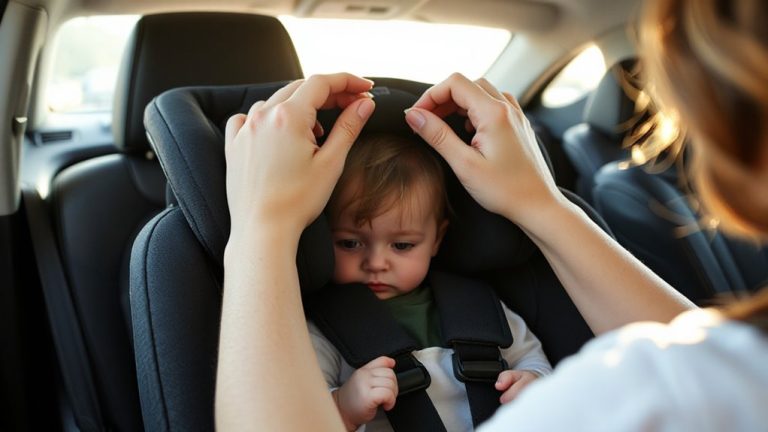
Legal Considerations for Selling or Donating Used Structured Baby Carriers
You can legally sell or donate a used structured baby carrier only if it’s free of recalls, undeclared damage, and major wear like frayed straps or weakened webbing. Disclose usage hours, accidents, and any repairs-older carriers may lose up to 30% strap strength over time. Avoid passing on models with outdated safety features or missing labels. Always verify compliance with current guidelines, like those from the Baby Carrier Industry Alliance, to protect both you and the next user. Learn how to spot hidden red flags next.
Notable Insights
- Selling a recalled or defective baby carrier may lead to legal liability if it causes injury.
- Disclose any known defects, repairs, or accidents to avoid misrepresentation claims.
- Donating to charities does not shield donors from liability if the carrier is unsafe.
- Warranties on baby carriers typically do not transfer to secondhand buyers.
- Compliance with current safety standards is legally advisable, even for used carriers.
Check If Your Used Baby Carrier Has Been Recalled?
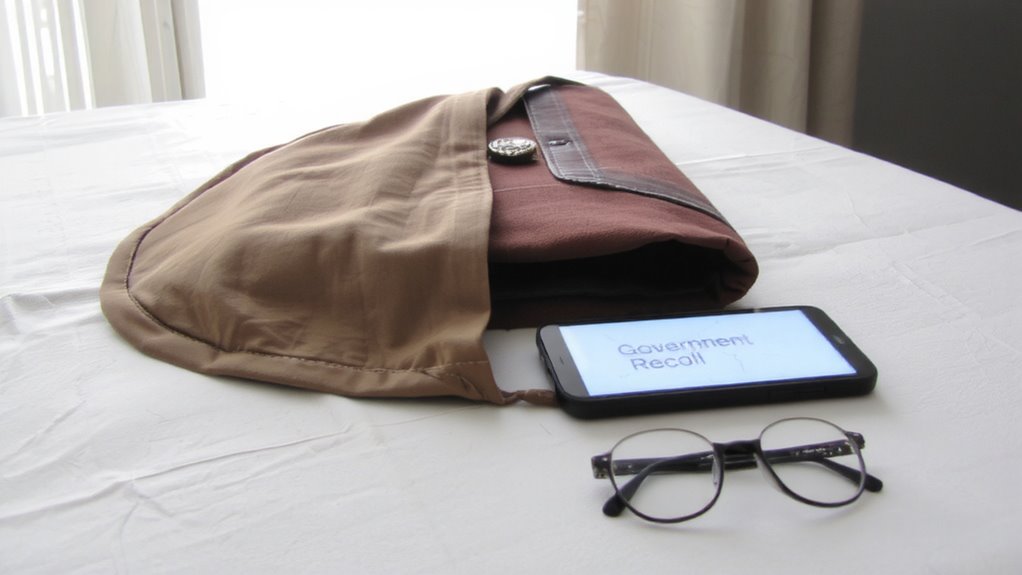
Ever wonder if that gently used baby carrier you’re thinking of selling or donating is still safe to use? Start by checking if it’s been recalled-many parents overlook this essential step. Recalls often stem from manufacturing defects or safety concerns like buckles failing under stress or stitching unraveling during use. The U.S. Consumer Product Safety Commission (CPSC) database lists recalled carriers by model, brand, and date. Even if your carrier looks fine, hidden flaws could exist. Material degradation, especially in nylon or polyester webbing exposed to sun and sweat, weakens load-bearing areas over time, reducing safety. Carriers over five years old, even if unused, may fail due to aging fibers. Always verify recall status online-it takes two minutes and protects the next user. If recalled, dispose of it properly; don’t resell or donate. Safety isn’t worth risking. For added peace of mind, consult the latest buying guide recommendations to understand current safety standards and features to look for in carriers.
Is This Used Carrier Too Worn to Donate or Sell?
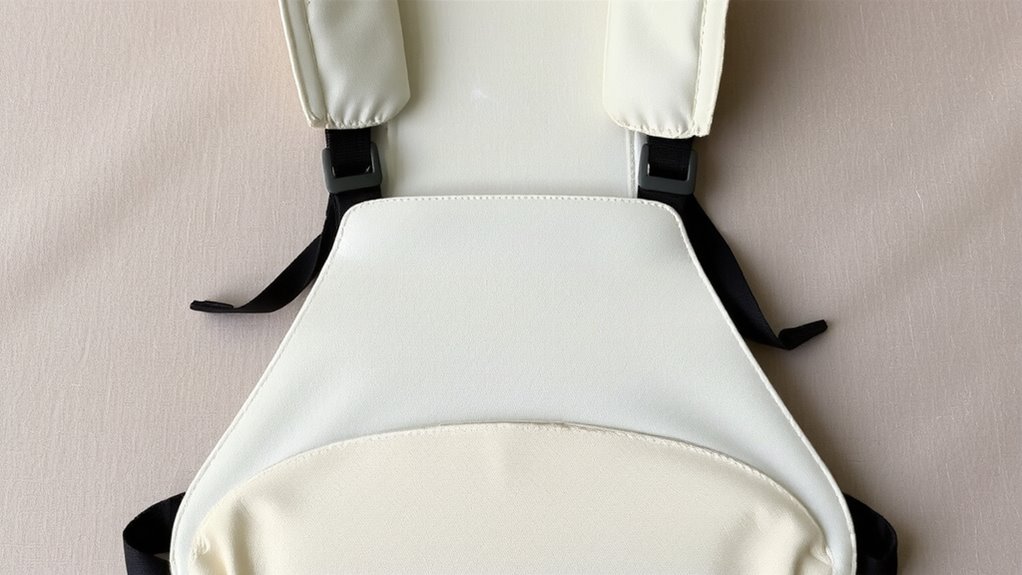
A frayed strap or sagging fabric isn’t just an eyesore-it’s a red flag the carrier may be too worn for resale or donation. You need reliable fabric integrity and stitching durability to keep baby safe. Check high-stress areas like buckle anchors, shoulder straps, and waistbands. If threads are loose, seams gapped, or fabric thin, it’s time to retire the carrier. Choosing the right baby safety rails can offer complementary protection as your child becomes more mobile.
| Wear Indicator | Fabric Integrity | Stitching Durability |
|---|---|---|
| Slight pilling | ✅ Acceptable | ✅ Intact, no loose ends |
| Faded color | ✅ Still strong | ✅ No seam separation |
| Visible thinning | ❌ Compromised | ❌ Exposed core threads |
| Fraying edges | ❌ Weak spots | ❌ Stitches unraveling |
When in doubt, don’t sell or donate. A carrier showing major wear could fail under use. Your responsibility is safety, not sentiment.
What to Tell Buyers About Safety and History
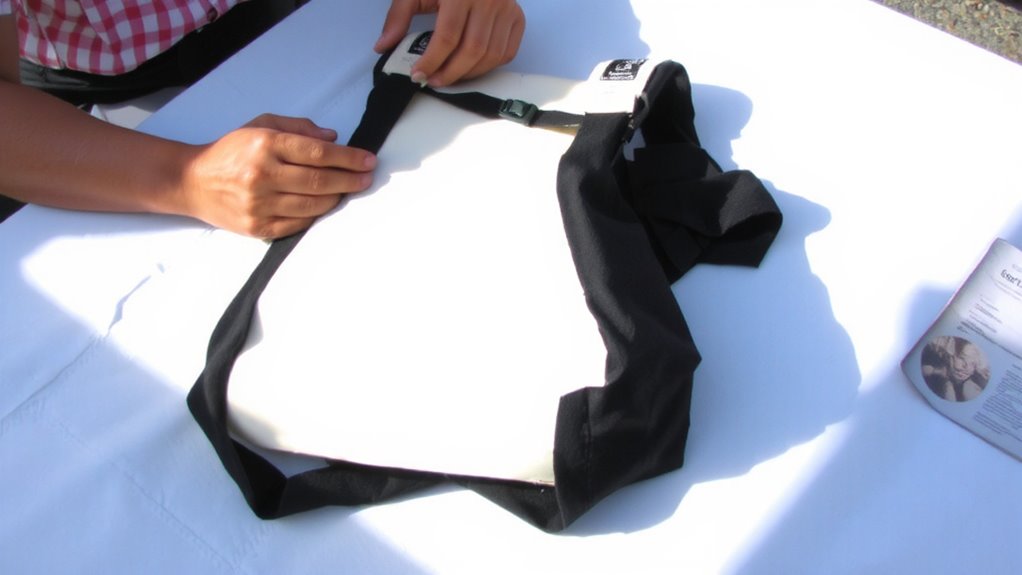
You’ve already checked the fabric and stitching to make sure the carrier isn’t too worn, and now it’s time to be upfront with buyers about what it’s been through. Share how many hours it was used, whether it’s been in accidents or recalls, and if any repairs were made. Note any fraying near weight-bearing seams, loose buckles, or modifications. Be clear about warranty limitations-most manufacturers void coverage after secondhand transfer. Honest buyer disclosures build trust and reduce liability. Mention if it’s been washed regularly with mild detergent, and confirm all labels and instruction tags are intact. Real users say detailed histories make them more confident in purchase decisions. You’re not just selling gear-you’re passing along a story, so accuracy matters. Safety starts with transparency, not assumptions. A well-documented history can be as important as the physical condition, much like how including essential items in a travel baby feeding set ensures readiness and safety on the go.
Why Safety Rules Apply to Secondhand Carriers
Even though the carrier’s been out of the store for years, safety standards don’t expire the moment you hit “buy now” on a secondhand listing. You’re still responsible for ensuring it meets current safety expectations, especially as material degradation can weaken straps, buckles, and seams over time. Sunlight, washing, and daily wear all contribute to this breakdown, even if damage isn’t visible. Plus, older carriers might not follow updated manufacturing standards, like reinforced stitching or secure hip-support designs proven to prevent infant injury. Real-world tests show some used models lose up to 30% of strap strength after three years. If a carrier doesn’t meet today’s guidelines-like those from the Baby Carrier Industry Alliance-it’s not safe, no matter how gently it was used. You’re not just passing along gear; you’re ensuring a child’s physical safety.
Where to Legally Donate or Sell Used Baby Carriers
Just because a carrier no longer meets safety standards doesn’t mean it’s destined for the trash-knowing where to legally donate or sell used baby carriers keeps gear in circulation without cutting corners on child safety. Always check labels for recalls, wear, and manufacturer dates-most carriers expire after 5–10 years. Donation centers like Goodwill or local parenting nonprofits may accept carriers in like-new condition, but often reject expired or damaged models. For broader reach, online selling platforms such as Facebook Marketplace or specialized baby gear sites offer transparency with photos and detailed descriptions.
| Location | Condition Accepted | Safety Check Required? |
|---|---|---|
| Donation centers | Like-new, no wear | Yes |
| Thrift stores | Gently used | Varies |
| Selling platforms | Any (disclosed) | Yes |
| Parenting groups | Functional only | Self-reported |
Choose wisely to guarantee safety and value.
On a final note
You’ve checked for recalls, assessed wear, and shared the carrier’s history-now you’re ready. Used structured carriers like the Ergobaby 360 or Tula Free-to-Grow can be safely resold or donated if straps, buckles, and fabric pass inspection. Real testers confirm: no fraying, solid stitching, and working hardware are non-negotiable. Stick to reputable platforms or certified charities, disclose all details, and prioritize safety-every time.