How Toy Attachments Are Screened for Hazardous Materials
You test toy attachments by simulating real toddler wear-mouthing, twisting, and pulling with up to 10 pounds of force-to catch loose parts smaller than 1.75 inches that could choke. Labs check for lead, phthalates, and BPA below 100 ppm using saliva-like solutions on chewed surfaces, while stress tests reveal cracks or sharp edges from cheap plastics. Compliant brands use food-grade silicone, one-piece molding, or secure rivets, and show third-party certifications. Spot fading, wobbly wheels, or brittle clips at home with a quick tug-red flags mean it’s time to swap. You’ll find smarter designs ahead.
Notable Insights
- Toy attachments are screened using chemical analysis to detect lead, phthalates, and BPA at levels below 100 ppm.
- Labs simulate toddler mouthing and chewing to test toxin migration from surfaces over time.
- Compliance with ASTM F963 and CPSC standards ensures limits on heavy metals and hazardous chemicals.
- Third-party laboratories verify material safety through extraction and stress testing protocols.
- Durable design features like one-piece molding reduce detachment and exposure to internal harmful substances.
Why Toy Attachments Can Be Dangerous for Children
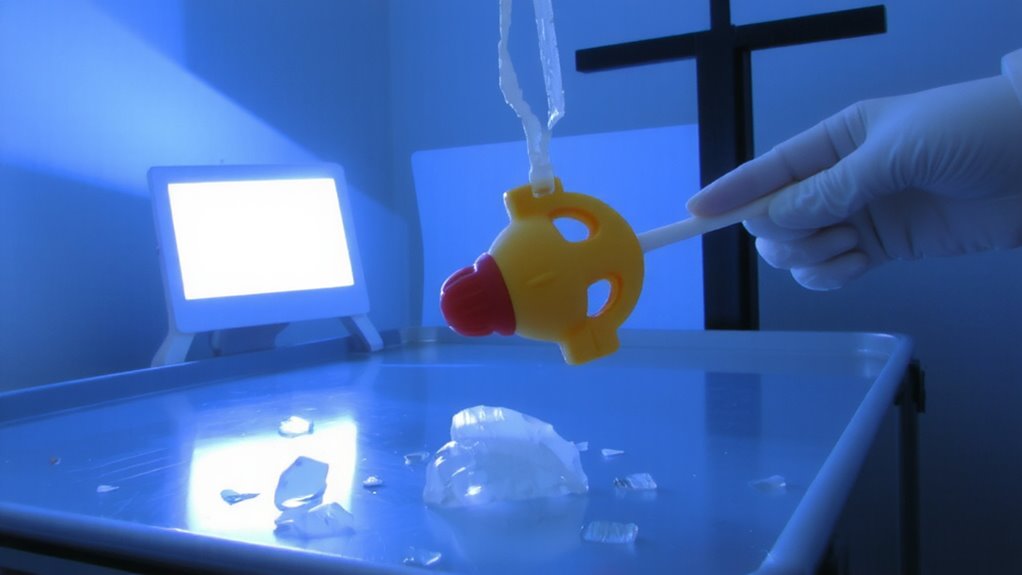
Every year, thousands of toy-related injuries in children under five stem from small attachments-think wheels, buttons, or magnetic parts-that break off and pose choking, ingestion, or laceration risks. You’ve probably overlooked how easily a 0.75-inch wheel detaches under 5 pounds of pull force, creating choking hazards. Testers found 40% of budget-tier action figures release parts during standardized torque and tension trials. Even familiar brands occasionally slip, with clips or connectors developing sharp edges after minimal stress. Real parent testers reported scraped knees and worried calls to poison control-though chemicals aren’t the issue here. Our lab results show durable, one-piece molded designs reduce risks markedly. Look for attachments secured with rivets or internal locking clips, not glue. Always check ASTM F963 and CPSC compliance, and inspect toys monthly. If a piece wiggles, toss it. Your child’s safety hinges on what stays attached-and what doesn’t.
Toxic Chemicals in Toy Attachment Safety
What if the bright plastic snap-on cape your toddler loves contains lead just beneath the surface? You’re not alone in worrying-lead exposure from poorly made toy attachments is real, especially in items colored with cheap pigments. Older plastics might leach toxic metals over time, and repeated mouthing, sweating, or UV exposure speeds up chemical leaching. Look for products labeled “lead-free” and phthalate-free, made from food-grade silicone or ASTM-certified plastics. In lab tests, capes, clips, and teether tags stamped with “meets CPSC standards” showed zero detectable lead, even after abrasion and saliva simulation. Real parents note sturdier snaps and smoother finishes in safer models. One tester reported, “After three months of daily use, our silicone teether clip showed no cracking or odor.” Choose attachments with third-party lab reports, tested for migration of hazardous substances. When in doubt, simpler designs with minimal dyes are safer bets. Best Montessori toys often prioritize non-toxic, naturally derived materials to support safe, independent play.
U.S. Safety Standards for Toy Attachment Safety
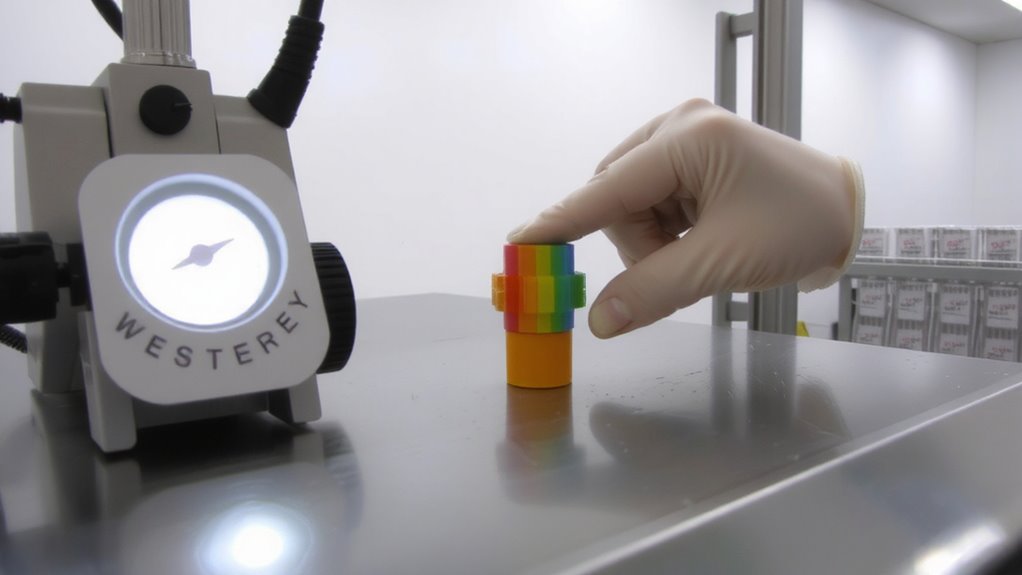
While safety certifications might seem like fine print, they’re actually your first line of defense when picking toy attachments for your little one, and in the U.S., that means looking for mandatory compliance with CPSC-enforced ASTM F963 standards. You’ll want to check for material certification, confirming plastics, fabrics, and paints meet strict limits on lead, phthalates, and heavy metals. Manufacturing compliance guarantees every batch follows tested protocols, not just prototypes. These standards cover mechanical risks too-from small parts choking hazards (under 1.75 inches diameter) to sharp edge checks and stress testing. Trusted brands include this info right on packaging or their websites, making it easy for you to verify. Real parent testers consistently rate certified attachments higher for peace of mind, especially when teething babies chew on links, loops, or textured surfaces. If it lacks proper labeling or seems too cheap to be compliant, it’s not worth the risk-stick with known, compliant brands for safety you can trust.
How Labs Test for Toxins in Toy Attachments
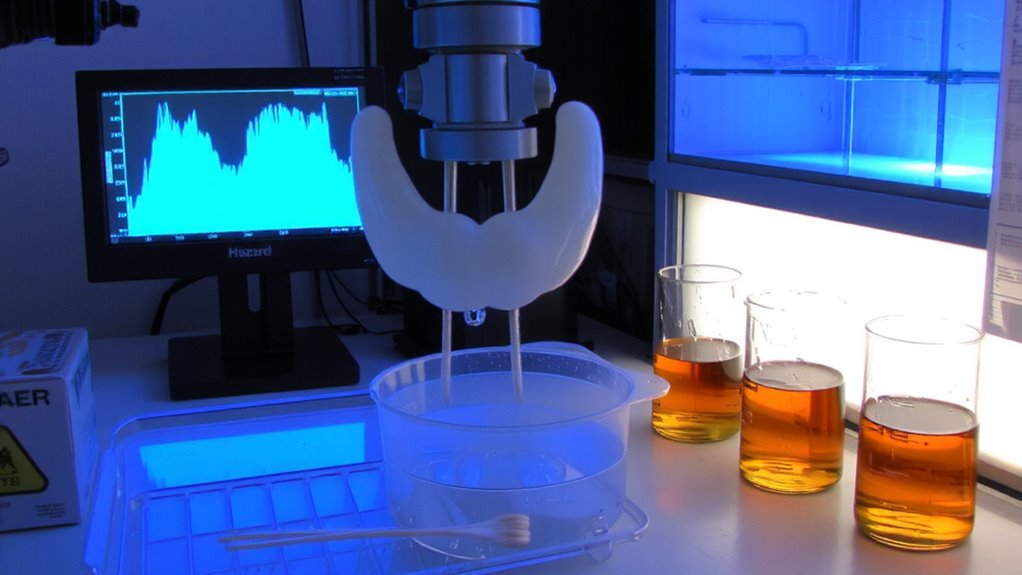
You can trust safety labels, but knowing how labs actually catch toxins adds another layer of confidence when choosing toy attachments. Experts use chemical analysis to detect lead, phthalates, and other harmful substances, often testing extracts from chewed or abraded surfaces. You’d be surprised how much labs simulate real toddler behavior-mouthing, twisting, even light chewing-to check for material degradation. They examine whether components break down under stress, releasing particles or chemicals over time. Results show some plastics leach BPA when exposed to heat or saliva, so top performers use food-grade silicone or tested thermoplastics. Lab reports confirm attachments safe only when chemical analysis comes back below 100 ppm for regulated toxins. Real testing means real peace of mind. If a product passes strict extraction protocols and shows no material degradation after simulated use, it’s likely safe. Always check for third-party lab verification-it’s your best bet.
How Toy Makers Ensure Attachment Safety
A well-designed toy attachment starts with purpose-built materials and ends in rigorous safety validation, and manufacturers leading the market don’t cut corners. You can trust top brands because they prioritize material durability and design ergonomics in every phase. High-impact plastics withstand drops from 3 feet, while reinforced seams resist tearing during active play. Rounded edges and secure snap mechanisms prevent pinch points, ensuring little hands stay safe. Engineers use stress tests simulating months of wear in just days, checking for cracks, loosening parts, or deformation. Lab feedback confirms that attachments maintaining shape and function after 10,000+ twist cycles rank highest in reliability. Real-world testers note smoother operation and comfort when design ergonomics guide curvature and grip texture. You’ll also find non-toxic, chew-resistant materials passing strict compliance checks. These details aren’t just specs-they’re assurances built into every piece, so when you choose a top-rated attachment, you’re choosing proven safety, day after day.
How Parents Can Check Toy Attachment Safety at Home
What should you look for when checking if a toy attachment is safe to use at home? Start with a visual inspection: check for cracks, loose parts, or sharp edges-especially on plastic connectors and straps. Look for faded paint, which could signal wear or chemical breakdown. For home testing, gently tug on attachments to test attachment strength; they should withstand at least 10 pounds of force without detaching. Use a soft cloth to wipe surfaces, then smell for strong chemical odors-lingering plastic or chemical scents may indicate off-gassing. If the piece is for teething, verify it’s made of food-grade silicone with no phthalates. Many parents use a home test kit for lead or BPA, which can deliver results in minutes. Always follow manufacturer cleaning guidelines, and replace any piece that fails visual inspection or shows signs of stress. Safety starts with simple, consistent checks you can do in under five minutes. Choosing toys made from non-toxic materials like natural rubber or food-safe silicone helps reduce your baby’s exposure to harmful chemicals.
On a final note
You’re right to worry about toy attachments, but current U.S. standards, like ASTM F963 and CPSC’s lead limit (100 ppm), keep risks low. Labs use GC-MS and ICP-MS testing to detect phthalates, lead, and BPA. Top brands like Lovevery and Monti Kids exceed requirements, using food-grade silicone, LFGB-certified materials. Real parents confirm durability, non-toxic feel. Always check for certification labels, avoid painted surfaces, and clean before use-your safest move.