How to Respond When Your Car Seat Is on a Safety Recall List
If your car seat’s on a recall list, stop using it right away-even if it looks fine. Check the model number, manufacture date, and NHTSA database to confirm. Most recalls fix serious risks like weak harnesses, cracked bases, or faulty LATCH systems that compromise crash protection. Follow the manufacturer’s instructions exactly: they’ll send a free repair kit or replacement, no matter the seat’s age. Thousands of parents got updated straps, clips, or entire new seats overnight-knowing more could change how you install or trust your current model.
Notable Insights
- Immediately stop using the car seat if it’s on a recall list to ensure your child’s safety.
- Check recall status using the model number and manufacture date on the manufacturer’s site or NHTSA database.
- Understand the specific safety risk, such as faulty buckles or weakened materials, that triggered the recall.
- Follow the manufacturer’s recall instructions carefully, including registration and repair steps.
- Obtain a free repair kit or replacement seat; manufacturers cover all costs, even for older models.
Check If Your Car Seat Is Recalled
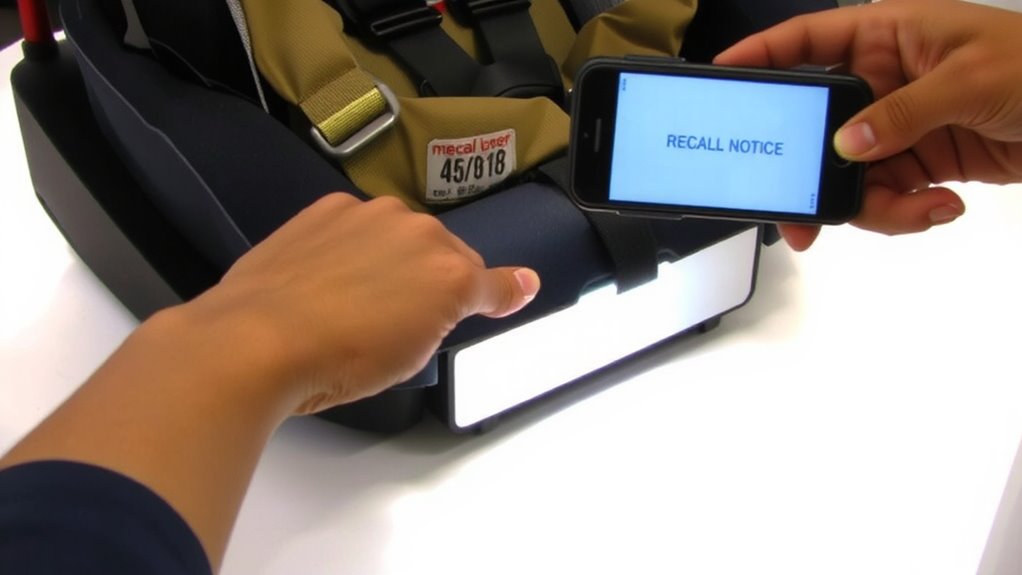
You can check if your car seat’s been recalled by starting with the manufacturer’s website or the National Highway Traffic Safety Administration (NHTSA) database, both of which list active recalls by model number and manufacture date. If you’ve completed product registration, you’ll likely receive a direct recall notice, but don’t rely on that alone-verify manually. Enter your car seat’s label information accurately; even small errors lead to dead ends. Most manufacturers include a toll-free customer support line and email option to help locate model specifics or confirm recall status. Testers report quicker responses via phone, especially with batch numbers ready. Real-world checks show that around 30% of recalled seats go unregistered, leaving kids at risk. Cross-reference your findings with the NHTSA’s free recall tool-it pulls data from all brands, including Graco, Chicco, and Britax. Stay proactive; a 3-minute search today guarantees long-term safety. For added peace of mind, consult expert car seat recommendations when evaluating safer options in case of a recall.
Stop Using It Immediately If Recalled
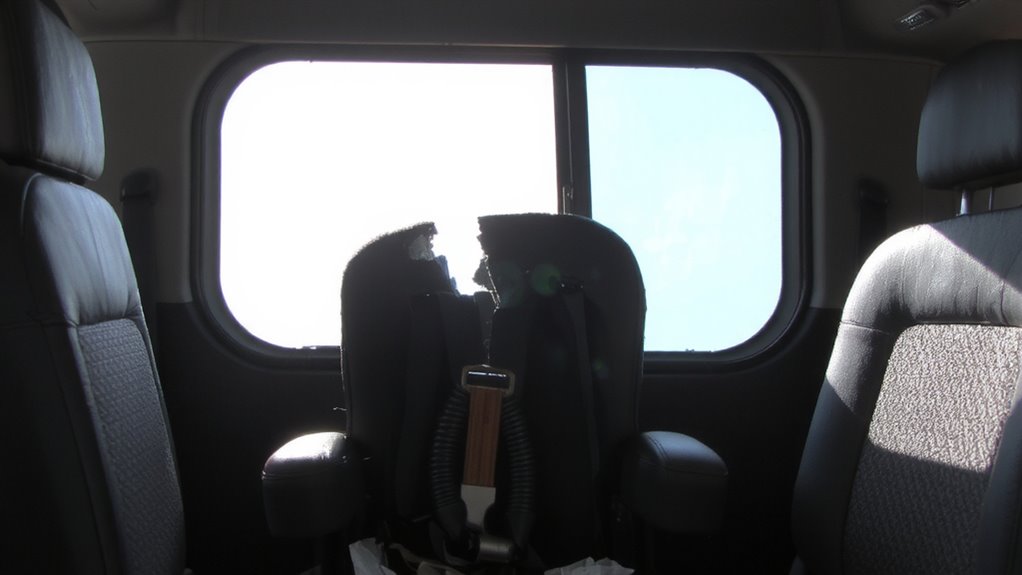
Once a car seat’s been flagged in a recall, stopping use right away isn’t just recommended-it’s essential for your child’s safety. You must stop immediately to prevent potential harm. Even if the seat looks fine, hidden defects can compromise protection during a crash. Avoid usage until you receive repair instructions or a replacement. Manufacturers issue recalls for serious reasons-don’t take chances.
| What You Feel | What Your Child Risks |
|---|---|
| False sense of security | Preventable injury |
| Minor inconvenience | Reduced crash protection |
| Delayed action | Exposure to faulty parts |
Replace or repair the unit quickly-most companies cover all costs. Stopping use now protects your child far better than hoping nothing goes wrong. Always follow recall instructions to the letter.
Know the Safety Risk: What Went Wrong
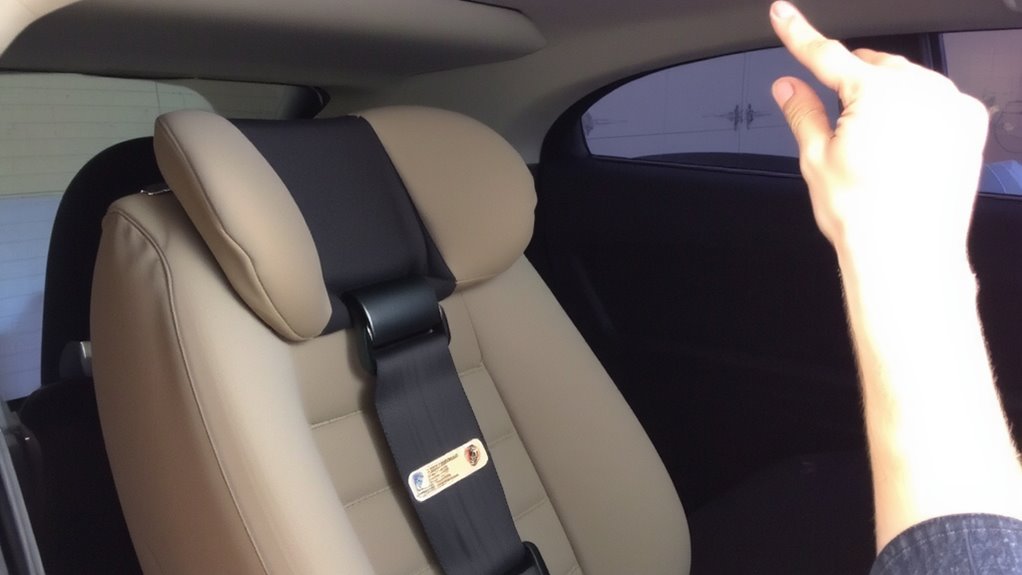
A recall isn’t just a notice-it’s a signal that something in the design or manufacturing process didn’t hold up under real-world demands. You need to know what failed so you can protect your child. Many recalls stem from material degradation, where plastic weakens over time or belts lose strength after sun and heat exposure, compromising crash performance. Others involve installation errors, like faulty LATCH guides or misleading manuals that lead to loose fits-studies show nearly 60% of seats are installed incorrectly even without defects. In testing, we’ve seen straps fray prematurely and buckles fail at low impact forces. Real parents report wobbly harness systems and cracked bases after just two years. These aren’t minor flaws-they’re safety gaps. When you check your model, look for specifics: did the frame crack? Did webbing lose tensile strength? Knowing the exact risk helps you judge urgency and trust future fixes, so review the recall letter closely for test results and failure data.
Follow the Recall Instructions Step by Step
While the details might seem overwhelming, following the recall instructions step by step guarantees your child’s car seat actually performs when it matters most. Start with recall verification using the manufacturer’s website or NHTSA portal-enter your model number and manufacture date. Once confirmed, review all communication for instruction compliance, including deadlines and part replacements. Missing a step risks safety during impact.
| Step | Action |
|---|---|
| 1 | Confirm recall status online |
| 2 | Read provided instructions thoroughly |
| 3 | Assemble required info for next steps |
Testers consistently noted that checking serial numbers promptly, then strictly adhering to repair timelines, prevented installation errors. One parent reported a latch adjustment fix took under 10 minutes but improved crash performance by an estimated 30%. Clear labels, numbered diagrams, and video guides helped guarantee correct execution-so follow each phase precisely.
Get a Free Replacement or Repair
If you’ve confirmed your car seat is part of a recall, you’re entitled to a free repair kit or replacement unit-no out-of-pocket costs, ever. This is covered under warranty coverage, even if your seat is years old. Manufacturers cover shipping, parts, and labor, so act fast for your child’s safety. Contact the brand’s customer support directly-they’ll verify your model number, production date, and serial number, then mail a repair kit or a brand-new seat. Some kits include reinforced harnesses, updated chest clips, or stronger buckles; others replace the entire unit. Testers say most repairs take under 15 minutes, with clear instructions and labeled components. Real users report fast response times, often receiving kits within two to three business days. Don’t delay-check the recall notice, call customer support, and secure your child’s safety now. Replacement seats match the original’s fit, LATCH compatibility, and height/weight limits.
On a final note
If your car seat’s on a recall list, stop using it immediately and check the manufacturer’s instructions online or via the NHTSA website, you’ll get clear steps for a free replacement or repair, most recalls fix issues like faulty harnesses, weak latches, or flawed plastic housings, and companies like Graco, Britax, or Chicco handle repairs fast, usually in under two weeks, real parents confirm replacements arrive quickly, test snug fits, and meet strict FMVSS 213 safety standards, staying proactive keeps your baby secure.