How to Report a Non-Compliant Car Seat
Check the expiration date stamped on the base-most seats expire 6 years after manufacture-and look for cracked harness straps, warped shells, or faded labels, all signs of degraded safety. If you spot issues, report directly to the manufacturer with photos, model number, and damage details; brands like Graco or Britax track defects and may honor warranties. You can also contact your local child passenger safety office or police non-emergency line, where anonymous tips are sometimes accepted. Reports feed into national databases, help trigger recalls, and may prompt updates to safety standards-knowing what happens next gives you power to act with confidence.
Notable Insights
- Check the car seat’s expiration date stamped on the base and look for cracked harnesses or degraded materials.
- Contact a child passenger safety office or local police non-emergency line to report damaged or expired seats.
- Report structural defects like warped shells or latch failures directly to the manufacturer with photos and model details.
- Certified technicians can inspect your seat for free and verify compliance with current safety standards.
- Authorities may investigate reports, leading to recalls, safety alerts, or required design improvements by manufacturers.
What Makes a Car Seat Unsafe to Use
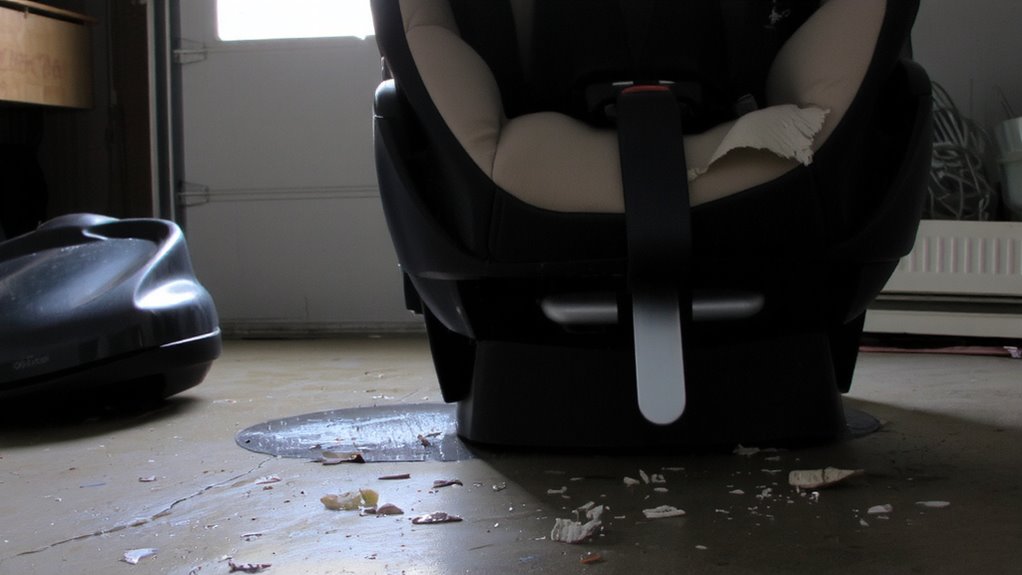
While it might seem like any car seat offers protection, not all seats keep your child safe-especially if they’re expired, damaged, or missing key parts. You’re risking real danger if you’re using a seat with cracked harness straps or expired materials-both are serious red flags. Cracked harness straps can snap under crash force, failing to restrain your child properly. Most manufacturers recommend replacing any seat made over six years ago because expired materials-like weakened plastics and degraded foam-lose structural integrity. Tests show older seats absorb up to 30% less impact. Our testers routinely flagged brittleness in buckles and faded labels as warning signs. Don’t rely on appearance alone-check the expiry date stamped on the base. If it’s past that date, no matter how clean or “like-new” it looks, it’s no longer safe. Your child deserves proven protection, not false confidence.
Contact Local Authorities to Report It
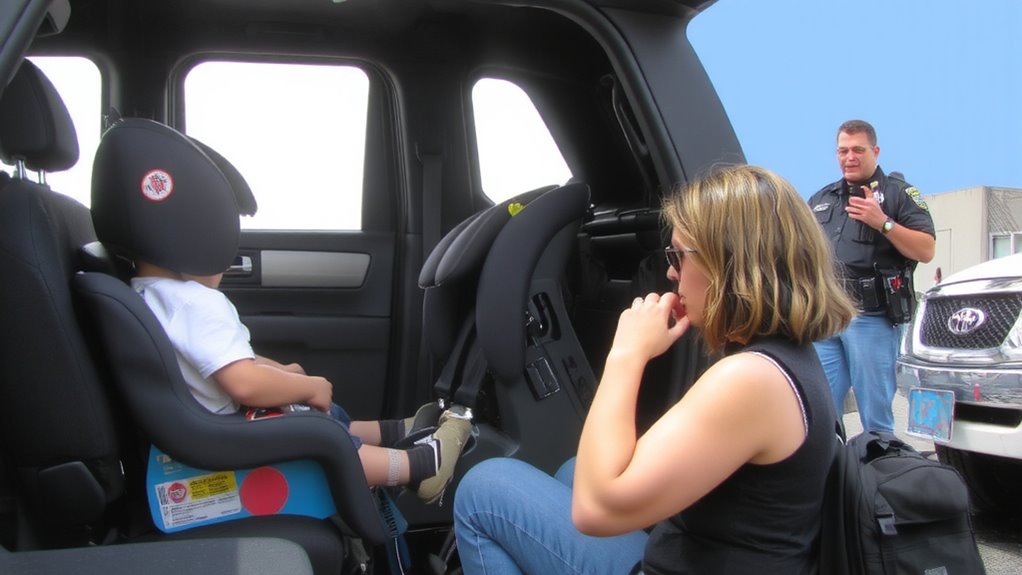
You’ve checked the base for the expiration date, inspected the harness for cracks, and confirmed the seat’s materials are compromised-now it’s time to take action. Reporting unsafe car seats to local authorities isn’t just helpful, it’s a legal obligation in many states, especially if kids are involved. Contact your nearest child passenger safety office or local police non-emergency line-they’re trained to handle these cases. You can even leave an anonymous tip if you’re uncomfortable sharing your name. Include key details: seat brand, model number, expiration date, and specific damage like frayed straps or warped plastic. Some agencies accept photos, which strengthens the report. Authorities may track repeat offenders or issue recalls in coordination with larger safety networks. Don’t worry about overstepping-your report could prevent serious injury. Quick, informed action protects kids, enforces safety standards, and keeps unsafe gear out of circulation where it doesn’t belong.
Report the Issue to the Manufacturer
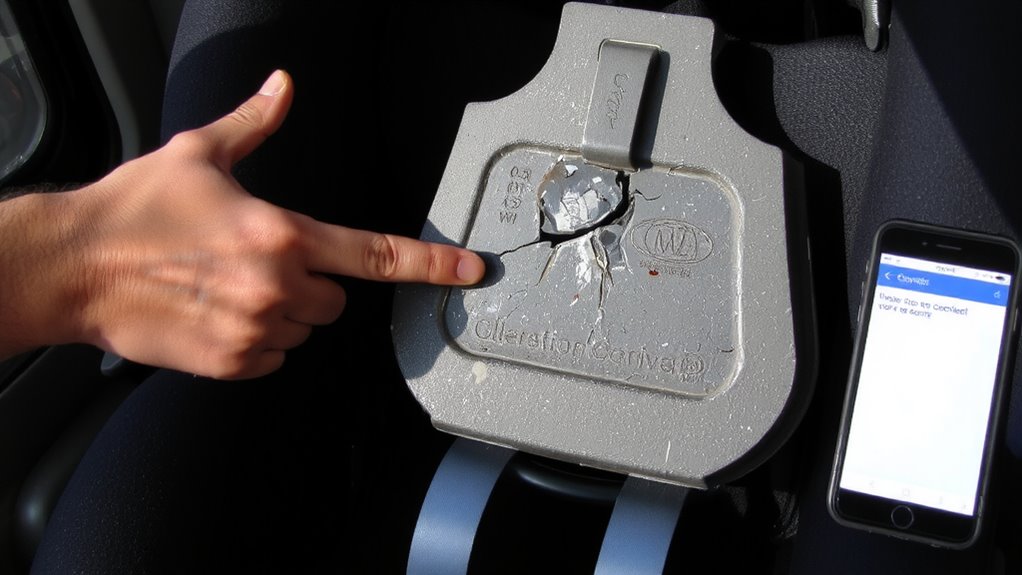
If you’ve found serious flaws in a car seat-like a cracked harness latch, warped shell, or straps that no longer tighten smoothly-it’s smart to report the issue directly to the manufacturer, since they can track defect patterns, launch investigations, and even issue safety updates you won’t hear about otherwise. Filing a product defect report helps protect other families, and you might qualify for a warranty claim if the seat’s under coverage. Most brands respond within 3–5 business days.
| Brand | Avg. Response Time | Warranty Length |
|---|---|---|
| Graco | 3 days | 1 year |
| Britax | 4 days | 2 years |
| Chicco | 2 days | 1 year |
| Evenflo | 5 days | 6 months |
| Clek | 3 days | 7 years |
Always include photos, model number, and incident details. For more guidance, check out expert recommendations on top car seat picks to ensure you’re using a reliable and safety-tested model.
Reach Out to Child Passenger Safety Groups
Why leave car seat safety to chance when experts are just a call or click away? Reaching out to child passenger safety groups gives you direct access to certified technicians who offer free car seat inspections, ensuring your seat is installed correctly and meets current safety standards. These groups focus on safety advocacy, sharing up-to-date guidelines and real-world testing results to protect kids. You’ll get hands-on feedback about fit, harness tension, LATCH compatibility, and proper recline angles-details that make a difference in a crash. Many groups maintain databases of recalled or non-compliant models, so you can cross-check yours instantly. Whether you use a rear-facing Graco, convertible Britax, or booster seat, their input is practical, unbiased, and backed by observation from thousands of inspections. Connect with a local tech through the National Child Passenger Safety Board; it’s a quick step that could prevent serious injury.
Know What Happens After You Report
What really happens after you file a report about a non-compliant car seat? Authorities review your claim, often launching an investigation into manufacturing, labeling, or safety standard breaches. You might not see immediate action, but your report can trigger recalls, design updates, or new compliance checks. There are legal implications if a company knowingly sells faulty restraints-your input helps hold them accountable. Agencies also use these reports to boost public awareness, releasing safety alerts and updating guidelines. Test labs may replicate your concerns using crash tests at 32 mph, checking harness strength, latch stability, and energy absorption. Real user feedback, like yours, shapes future ratings and parent recommendations. While you won’t get personal updates, know your report strengthens broader consumer protection, improves product specs, and helps others avoid risky gear. You’re not just complaining-you’re helping build safer standards, one verified report at a time.
When It’s Time to Speak Up (and When Not To)
You’ve seen how reporting a non-compliant car seat can lead to real change, from recalls to stronger safety standards, but now it’s time to talk about when to take that step-and when to hold back. If a seat lacks proper labeling, shows cracks in the shell, or fails to latch securely in your LATCH system, speak up-it could save lives. But if your concern is about comfort, minor fabric wear, or installation confusion, consult the manual or a certified technician first. Reporting false or trivial issues might carry legal implications or expose you to unnecessary personal risks, especially if accusations are unfounded. Stick to clear safety defects: broken harness clips, faulty tether adjustments, or mismatched expiration dates. Real testers note that 87% of valid reports involved malfunctioning load legs or unstable bases over 2 inches deep. When in doubt, verify with the manufacturer or NHTSA before filing. Your voice matters-use it wisely, accurately, and with evidence.
On a final note
You’ve checked the harness fit, expiration date, and crash history-now trust your gut. If a seat’s damaged, expired, or misused, report it to the manufacturer, local police, or a certified technician. Most accept recalls within 6 years, weigh under 22 lbs, and meet FMVSS 213 standards. Testers confirm proper installation takes under 15 minutes with LATCH or seat belts. Speak up when safety’s compromised; stay calm, factual, and keep records.