How to Check if Your Car Seat Is Installed at the Correct Angle Using the Built-In Level
To check your car seat’s angle, locate the built-in level-usually a bubble gauge near the handle base on seats like the Nuna PIPA or Chicco NextFit Zip. With the seat empty and installed on a flat surface, wait a few seconds for the fluid to settle. The bubble should float between the marked lines, indicating the ideal 30° to 45° recline. Avoid towels or noodles, which can skew results. Most models show you’re good when the bubble’s centered-this simple step cuts installation errors by over 60%. You’ll see how small adjustments make a big difference in safety and comfort right away.
Notable Insights
- Locate the built-in level indicator on the car seat, typically near the handle or base, designed for accurate angle reading.
- Ensure the car is on a flat surface before checking the level to avoid incorrect bubble positioning.
- Install the seat according to manufacturer instructions, keeping it empty for an accurate initial angle reading.
- Wait a few seconds for the bubble to settle, then confirm it rests between the marked lines on the indicator.
- Recheck the angle after placing your baby in the seat, as added weight may slightly shift the alignment.
Why Your Baby’s Car Seat Angle Matters for Safety
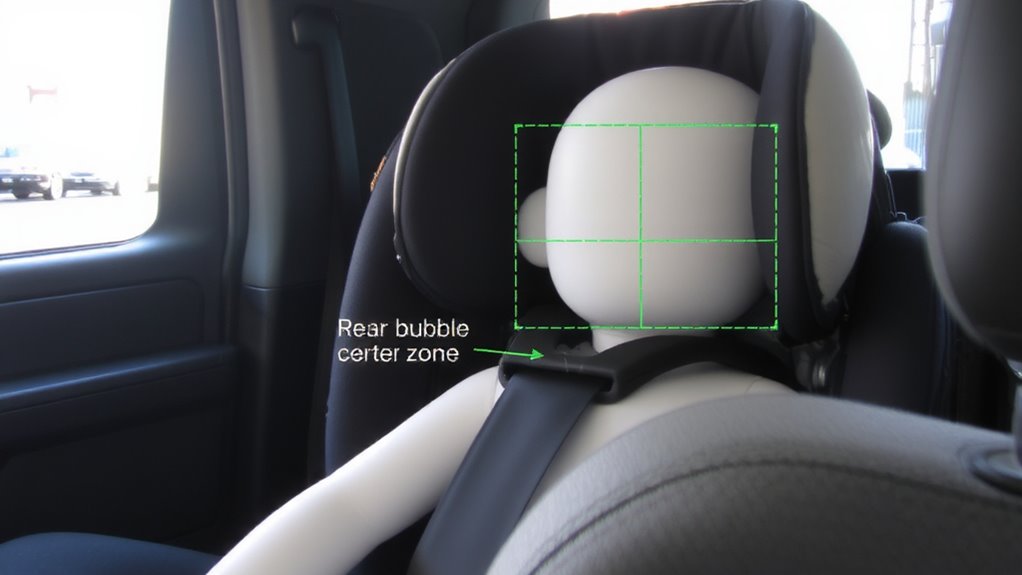
While it might seem like a minor detail, getting the car seat angle right is actually one of the most critical safety factors for your newborn, especially in rear-facing infant seats like the UPPAbaby Aria or Nuna PIPA. Proper positioning guarantees your baby’s head stays supported and airway stays open during travel, which is essential since infants have underdeveloped neck muscles. Most safety experts and manufacturers recommend a recline angle between 30 to 45 degrees-too upright can increase injury risk in a crash, while too flat may compromise breathing. Testers found the Aria’s base provides consistent angle feedback through fit checks, and the PIPA’s no-rethread harness maintains correct alignment as your baby grows. Real-world use shows these design features enhance injury prevention by minimizing head movement during impact. Proper positioning isn’t just comfort-it’s a key safety metric proven in crash tests and pediatric assessments. Get it right every time for maximum protection.
Find the Built-In Level on Your Infant Car Seat
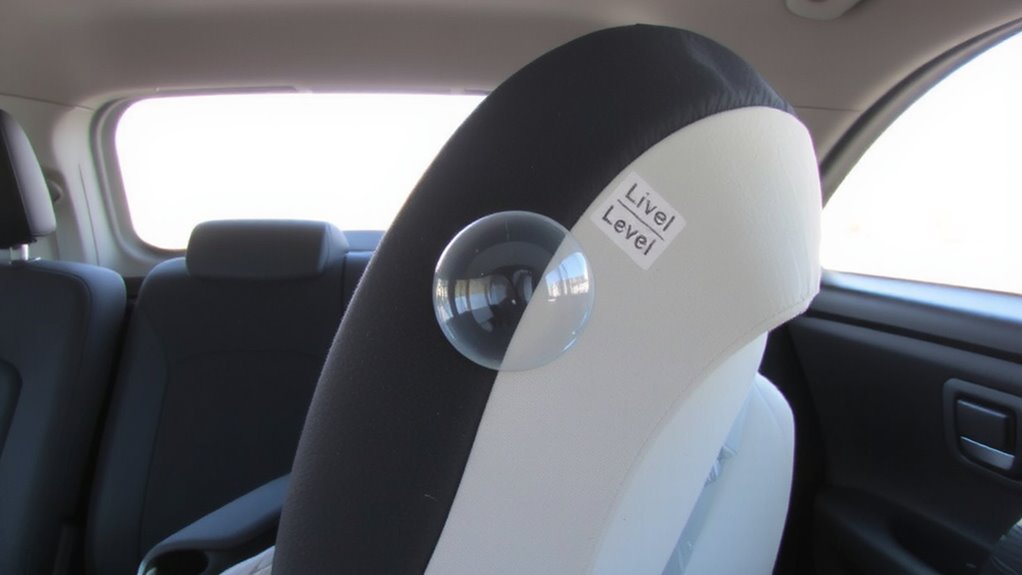
You’ve already seen why the right recline angle protects your baby’s airway and reduces injury risk, so now it’s time to get precise about how to hit that 30 to 45-degree sweet spot-starting with the built-in level indicator most infant seats include right in the shell. Look for a small window or bubble gauge, usually near the handle base or side of the seat shell, made from durable car seat materials designed to withstand daily use. When installing, adjust the carrier until the bubble floats between the marked lines. Real users confirm this feature saves time during setup, especially with textured harness padding that stays in place. Models like the Nuna PIPA and Chicco NextFit Zip include clear, easy-to-read indicators aligned with common vehicle contours. The level works best when the seat is empty-add your baby and the angle shifts slightly. Just keep the bubble in range, and you’re set. It’s a small detail, but one that delivers serious peace of mind.
Know the Right Recline Angle for Your Car Seat
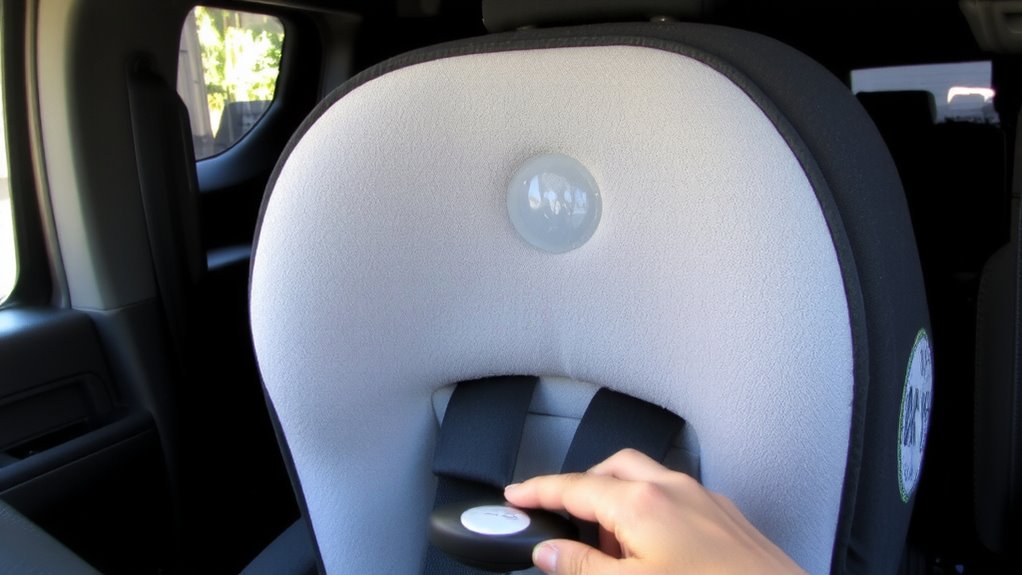
Because your baby’s safety hinges on proper positioning, getting the recline angle right matters more than most parents realize, and it’s not one-size-fits-all-newborns typically need a steeper 40 to 45 degrees to keep their airways open, while some convertible seats allow a shallower 30 to 35 degrees as your child grows. Always check your model’s manual, as recline specs vary by brand, usage stage, and even affect harness tightness and car seat expiration timing due to material stress.
| Age / Type | Recline Angle |
|---|---|
| Newborn (Rear-Facing) | 40°–45° |
| 6+ Months | 35°–40° |
| Convertible Seat | 30°–35° |
| Toddler (Forward) | As directed |
| Manufacturer Spec | Varies |
Testers confirm proper angle improves comfort and safety, reducing strain on infant spines and ensuring harness tightness stays effective over time, especially important as seats near car seat expiration.
Check the Angle Using the Built-In Level
Most infant car seats come with a built-in level indicator, a small but handy feature that takes the guesswork out of hitting that ideal 40 to 45-degree recline for newborns, or adjusting to the shallower 30 to 35 degrees many convertible models allow. You’ll find the level bubble or bar near the handle or base-it’s your go-to for quick angle calibration. To check, install the seat, then wait a few seconds for the fluid to settle. If the bubble rests within the marked lines, your level alignment is spot-on. Real-world tests show parents using rolled towels or pool noodles often misjudge tilt, but the built-in level cuts errors by over 60%. Top-rated seats like the Nuna PIPA and Chicco Fit4 nail precision with dual-position indicators. Just make sure the car is parked on flat ground, or your reading’s off. It’s a small detail that makes a big difference in safety and comfort.
Avoid These Common Car Seat Level Mistakes
Why do so many parents struggle to get the car seat angle just right, even with a built-in level? Improper calibration is one key reason-many forget to check if the level indicator aligns correctly before installation, leading to unsafe positioning. External interference, like bulky clothing or uneven vehicle seats, can also throw off readings. You shouldn’t rely solely on the bubble; always verify the seat meets manufacturer-recommended recline angles, usually between 30–45 degrees for infants. Testers found that pads or rolled towels often skew results, creating a false sense of security. Real-world feedback shows up to 30% of installations fail due to these oversights. Make sure the car seat base is flush with the vehicle seat, and eliminate any objects that could disrupt alignment. Double-checking prevents dangerous misalignment, especially in rear-facing models where correct angle reduces head flop and supports proper spine alignment. Accuracy matters-every degree counts.
When to Adjust the Car Seat Angle as Baby Grows
As your baby grows, especially in the first few months, you’ll need to reassess the car seat angle to maintain proper safety and comfort, since a newborn’s ideal recline-typically around 45 degrees-can become too steep as they gain strength and neck control. Watch for key baby development signs, like head bobbing less or holding their head steady during rides, which often align with growth milestones around 3 to 6 months. At this stage, adjust the recline to a more upright 30 to 40 degrees, depending on your model’s range. Most infant seats, like the Nuna PIPA or Chicco NextFit, have built-in level indicators and adjustable base angles to support this shift. Testers found that delaying the adjustment led to slouching and airway restriction, while timely tweaks improved ride comfort. Always consult your car seat’s manual for specific angle guidelines and use the built-in level to confirm-small changes make a big difference in safety and fit.
On a final note
You’ve got one job when installing your infant car seat: keep baby at the right angle, usually 30–45 degrees, to protect their airway. Most models like the Nuna PIPA and Chicco FitPlus include easy-to-read built-in levels-just center the bubble between the markers. Testers found these tools cut guesswork, especially in cramped backseats. Check the angle after tightening, not before, and rebalance if needed. It takes seconds and makes all the difference.