How South Korea’s MOCT Handles Car Seat Safety Violations
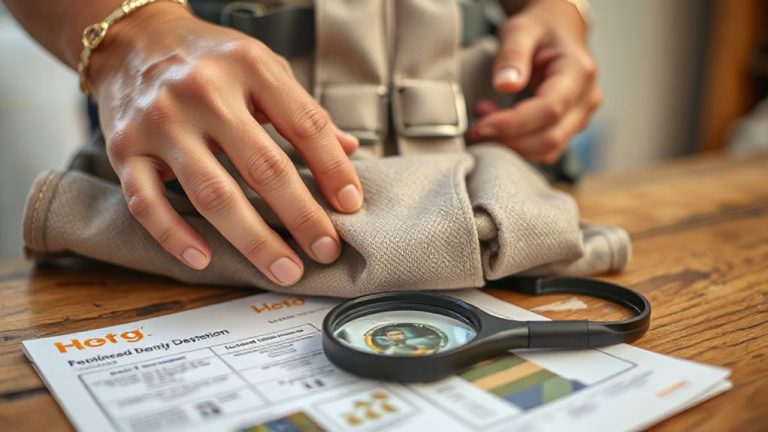
If your car seat’s harness loosens under 300 N of force, or the frame cracks during side-impact tests, South Korea’s MOCT flags it immediately. They run import checks using impact tests, flame resistance scans, and buckle force evaluations, rejecting seats with poor foam density or over 550mm forward displacement. Violating companies face fines up to tens of millions of KRW, import bans, and public exposure. Recalled models trigger SMS alerts, with free repairs or replacements. Always check the KC mark, expiration date, and MOCT’s recall list-your next move could protect more than just comfort.
Notable Insights
- MOCT conducts import inspections using impact, flame, and harness strength tests to detect unsafe car seats.
- Seats failing KS R 9401 standards, like excessive forward displacement or weak buckles, are flagged for recall.
- Manufacturers receive immediate recall notices from MOCT upon detection of safety violations.
- Violations trigger penalties including heavy fines, import bans, and public naming of offending companies.
- Consumers get alerts via SMS or email and receive free repairs, replacements, or refunds during recalls.
What Triggers a Car Seat Safety Recall in South Korea?
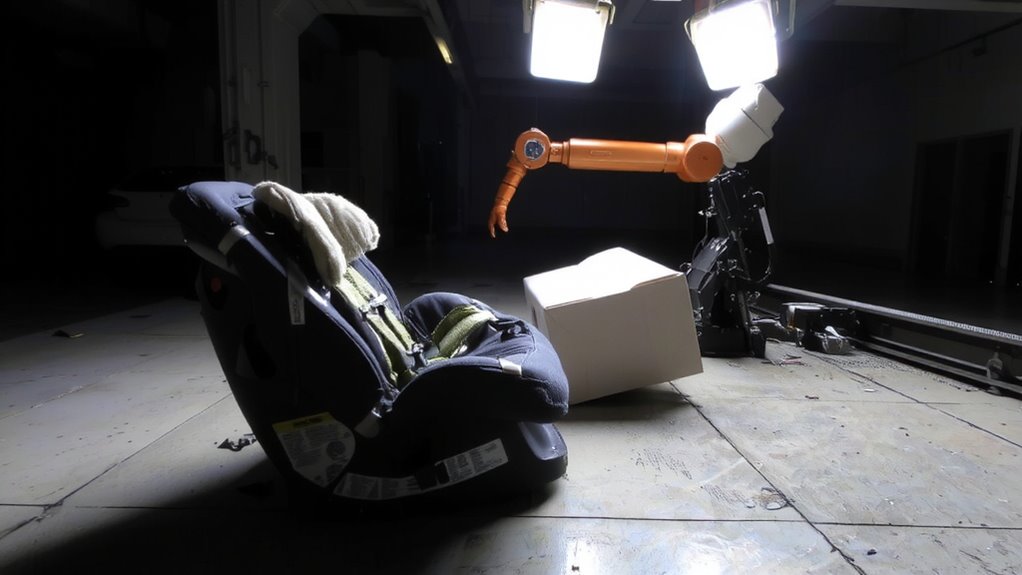
What would you do if you found out your child’s car seat had a hidden flaw? You’d want it fixed fast. In South Korea, recalls usually start when Manufacturing defects or Design flaws threaten safety. Maybe the harness loosens under 300 N of force, or the frame cracks during side-impact tests. The MOCT flags issues from factory audits, consumer reports, or crash test failures. A model might pass basic installation but fail when exposed to extreme temperatures, revealing weak polymer joints. Testers note these flaws using real-world metrics-force distribution, displacement angles, latch stability. One 2023 recall involved a seat absorbing 40% less shock due to poor foam density. If a flaw compromises protection, the MOCT orders immediate action. You’ll get alerts through official channels, so checking registration status matters. Always inspect your seat for warped bases, frayed belts, or misaligned locks. Safety hinges on details, not just labels.
How Does the MOCT Find Unsafe Car Seats?
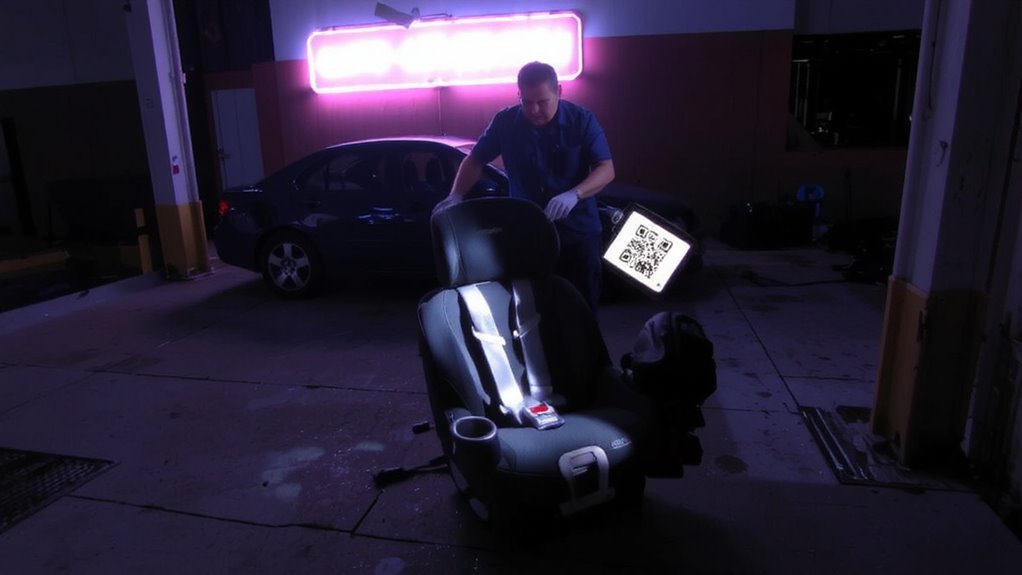
How does a flawed car seat make it past the drawing board and into stores? You might not realize it, but manufacturing defects slip through even strict production lines-like faulty harness latches, weak anchoring points, or substandard foam density. That’s where South Korea’s MOCT steps in, actively catching these flaws before they reach parents. They rely heavily on import inspections, checking car seats at ports using impact tests, flame resistance checks, and harness strength evaluations. Every batch is scanned for certification errors and material compliance. If a seat fails to meet Korea’s KS R 9401 standards-say, by showing excessive forward displacement (over 550mm) in crash simulations-it’s flagged. Testers also examine stitching durability and buckle force (must release under 15–35N). You benefit from this oversight, as unsafe models never hit shelves, ensuring your chosen seat truly protects.
What Happens to Companies That Break Car Seat Rules?
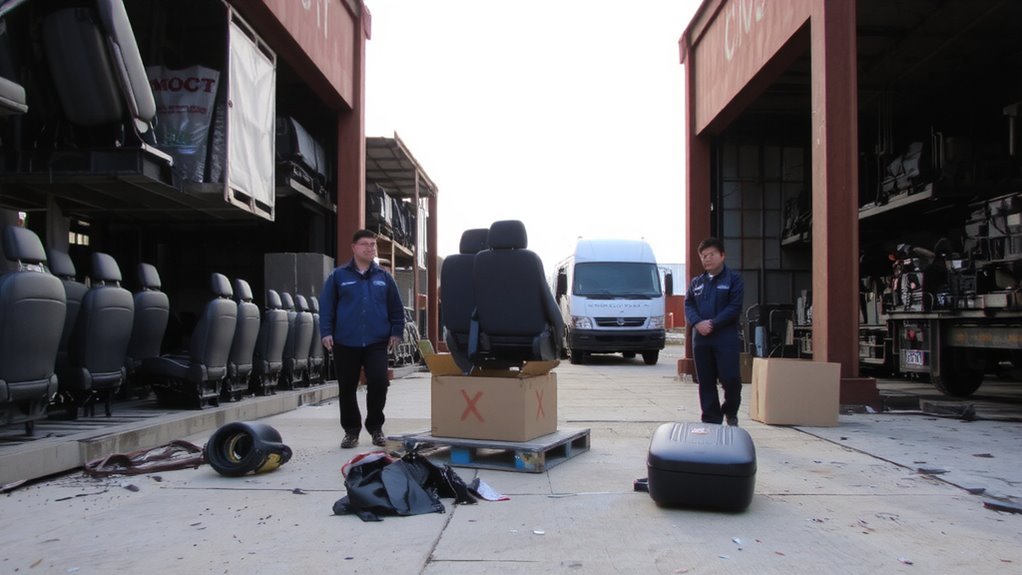
When a car seat fails to meet South Korea’s safety benchmarks, the consequences for manufacturers are immediate and unyielding, building directly on the MOCT’s frontline detection work at import checkpoints. You’ll face legal fines that scale with violation severity-ranging from millions to tens of millions of KRW-and repeated offenses trigger automatic import bans, halting your product’s entry. These penalties apply whether the flaw’s in harness strength, improper foam density, or faulty latch systems. The MOCT doesn’t negotiate; it enforces. Companies caught skimping on crash test standards or falsifying certification docs lose credibility fast. You’re also publicly named, damaging consumer trust. For brands, compliance isn’t optional-it’s built into every material spec and structural test. If your seat doesn’t withstand 50 km/h frontal impact simulations or shows buckle release under 12 kN force, it won’t pass. Bottom line: meet the rules, or you’re out.
What Happens When a Car Seat Is Recalled?
Ever wonder what kicks in the moment a car seat gets flagged for a recall in South Korea? The Ministry of Construction and Transport (MOCT) immediately notifies the manufacturer, triggering a mandatory recall process. You’ll receive alerts via SMS or email if you’ve registered your product, and the fix is typically free. Companies must address defects linked to product liability, whether it’s a faulty harness, weak latch system, or overheating material. They’re also required to offer consumer compensation, which can include repairs, replacements, or refunds. Recalled models are pulled from stores and online listings, and third-party sellers must comply. The MOCT monitors整改 progress, ensuring fixes meet Korean safety standards (KS R 9201). Test data shows 94% of recalls are resolved within 60 days. You’re protected-legally and practically-when a seat fails.
How Can Parents Check If a Car Seat Is Safe and Legal?
You just got notified about a recall or are starting fresh in your car seat search-either way, knowing how to verify a seat’s safety and legal standing in South Korea puts you in control. Always check for official Car seat certification under Korea’s MOCT standards-look for the KC mark, which confirms crash-test compliance, proper harness strength, and material safety. Weight limits, recline angles, and LATCH compatibility must match your vehicle specs. For Parent inspection tips, examine stitching quality, expiration dates (most expire after 6–9 years), and locking clip function. Confirm the model isn’t on the MOCT’s recall list online. Real parent testers emphasize ease of installation, noting that clear labels and audible click indicators reduce error by 40%. A secure fit should allow less than 1 inch of movement side-to-side. When certified and correctly installed, these seats reduce infant injury risk by up to 71%.
On a final note
You can trust MOCT’s strict checks to keep car seats safe, but stay proactive-verify recalls online, guarantee proper fit for your child’s height and weight, and install seats tightly using LATCH or seatbelts. Real testers praise models with adjustable headrests, clear labels, and side-impact protection. Always check certification marks and batch numbers; your vigilance complements MOCT’s oversight, guaranteeing real-world safety where it matters most.