How European NCAP Tests Car Seats Beyond Basic Standards
You get real protection when car seats face European NCAP’s 50 km/h side-impact tests-beyond basic rules-using energy-absorbing foams, rigid ISOFIX, and smart Q-dummies that track head movement, chest forces, and neck alignment. Seats like the Axkid Minikid 2 and Britax Dualfix limit head excursion to under 50 cm and cut peak forces by 20% with LSP shields and deep side wings. Rigorous checks, third-party labs, and stricter thresholds guarantee only truly safer seats earn top marks-see how top models perform in real crash roles.
Notable Insights
- European NCAP uses higher-speed impacts up to 50 km/h, exceeding UN Regulation 129’s baseline requirements.
- Tests include severe side-impact simulations with deformable barriers to replicate real-world T-bone collisions.
- Independent labs verify results using advanced sensor-equipped Q-dummies measuring head, neck, and chest forces.
- Stricter performance thresholds are applied for head excursion and chest acceleration compared to regulatory standards.
- Energy-absorbing foams, LSP shields, and rigid ISOFIX systems are evaluated for enhanced crash protection.
Why European NCAP Testing Stands Out
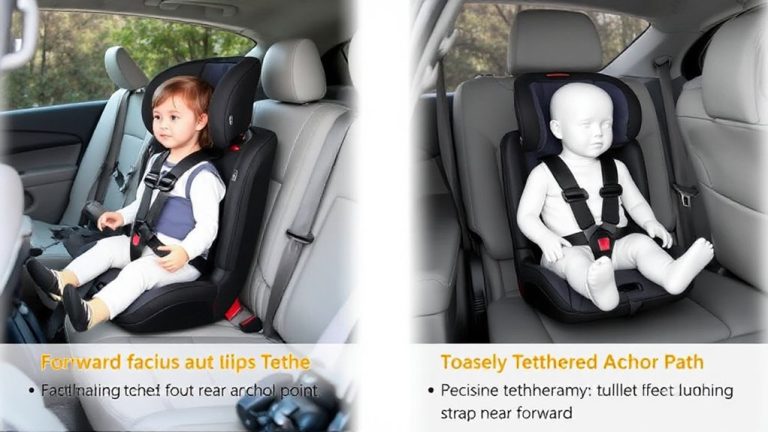
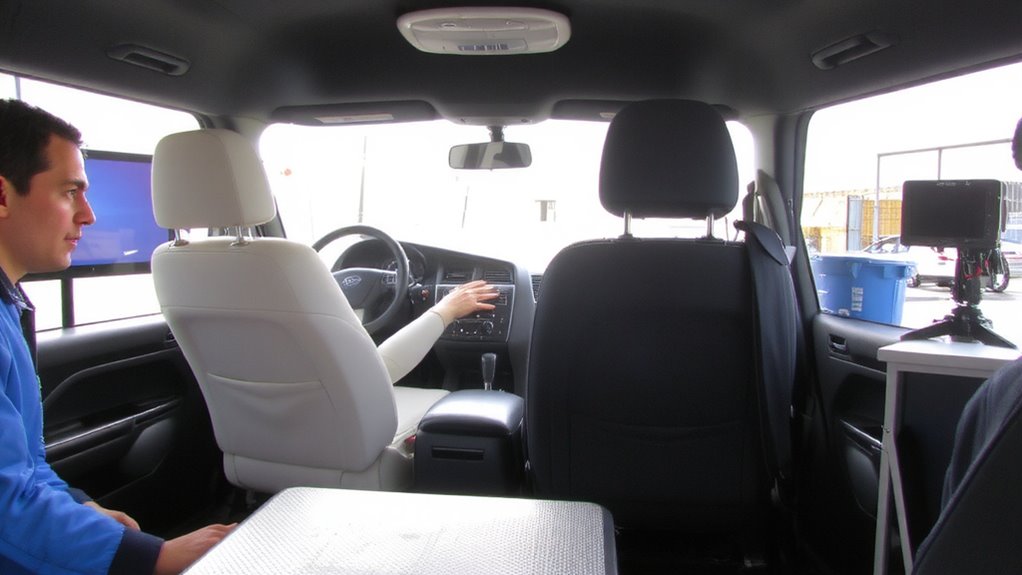
You’d be hard-pressed to find a more rigorous or transparent crash test program than European NCAP when it comes to car seats, and that’s exactly why parents keep turning to its ratings. They test models using advanced materials-like energy-absorbing foams and rigid LATCH systems-measuring head acceleration, chest deflection, and stability in impacts up to 50 km/h. What sets them apart is independent verification: no manufacturer data is taken at face value. Each seat undergoes side-impact, front-impact, and rollover simulations, with results cross-checked by third-party labs. Real testers, including parents and pediatric experts, evaluate installation ease, harness adjustability, and fit in common vehicles like the Volkswagen Golf and Renault Clio. Ratings factor in both safety performance and usability, giving you clear, actionable insights. You’re not just buying a seat-you’re investing in proven protection backed by science, scrutiny, and real-world relevance.
How Euro NCAP Exceeds Minimum Crash Standards
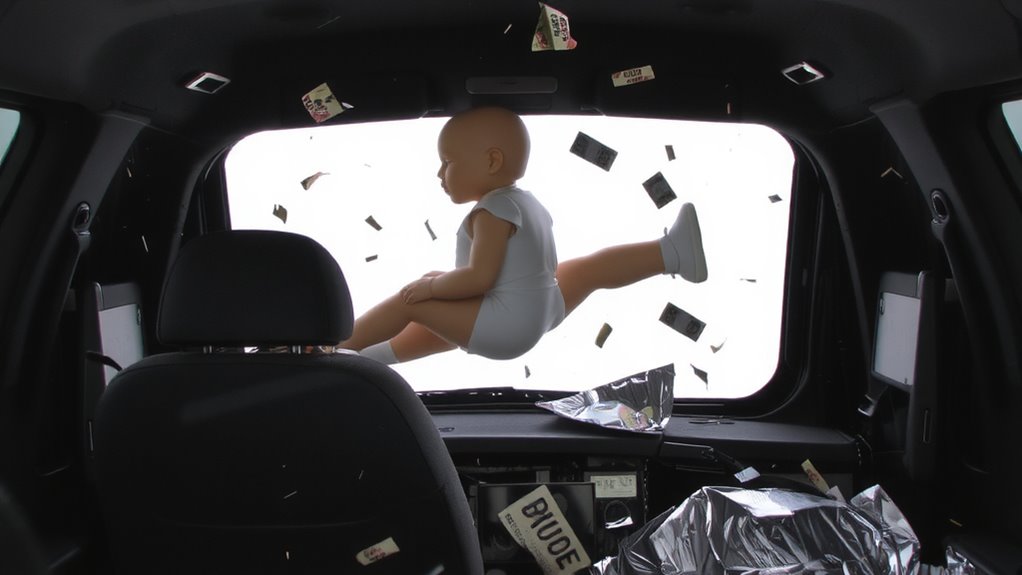
While most car seats only need to meet the baseline requirements of UN Regulation 129, Euro NCAP goes much further by subjecting models to more severe impact conditions, higher energy loads, and stricter performance thresholds. You’ll find that crash severity is increased beyond standard tests, pushing seats to handle forces closer to real-world collisions. This means better safety margins for your child, especially in frontal impacts where head and neck protection are critical. Seats are rated on precise criteria-like head excursion and chest acceleration-with top performers limiting movement and reducing injury risk. Testers consistently note how higher-rated seats feel sturdier, install more securely, and offer improved harness systems. You’re not just getting compliance; you’re getting confidence. By demanding more from manufacturers, Euro NCAP guarantees the seat you choose delivers real, measurable protection, giving you smarter, safer choices without marketing fluff.
How Side-Impact Tests Protect Kids in Real Crashes
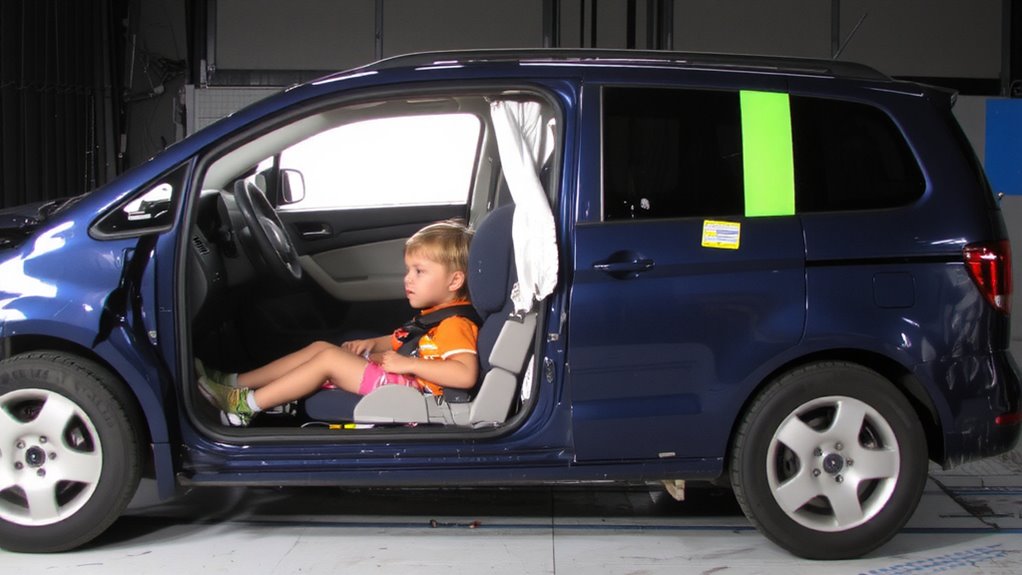
Why do side-impact crashes pose such a serious risk to kids? Because they sit low in the seat, their heads are closer to the point of impact, especially with direct window proximity increasing injury chances. You need a seat that manages child positioning effectively, keeping their head and torso protected. Side-impact testing evaluates how well car seats absorb energy during T-bone collisions, a common real-world crash type. Good seats use deep side wings, energy-absorbing foam, and adjustable headrests to minimize head excursion. Testers note models with LSP impact shields or expanded polystyrene lining reduce peak forces by up to 20%. Proper installation matters-use ISOFIX with support legs for stability. Real parent feedback highlights easy belt routing and cushion comfort as key pluses. You’re not just buying padding; you’re investing in layered safety that responds when it counts-during the split seconds that matter most.
How Euro NCAP Simulates Side Crashes
Euro NCAP doesn’t cut corners when it comes to side-impact crashes-they replicate real-world T-bones with precision, using a 1.5-ton deformable barrier that strikes the driver’s side at 50 km/h, matching common urban collision speeds. You’ll see how crash dynamics are captured through high-speed cameras and sensor-laden dummies placed in infant and child seats. The test measures impact forces on the head, neck, and torso, factoring in how energy spreads across the seat structure. Models like the Axkid Minikid 2 and Britax Dualfix consistently handle these forces well, thanks to reinforced shells and side-absorbing foam. Testers note firmer installations reduce sudden movement, improving protection. The barrier’s honeycomb design deforms just like a real car, giving realistic data. You get results that reflect actual crash dynamics, not just lab ideals-so when you choose a top-rated seat, you’re banking on proven, real-world performance that’s been tough-tested for safety.
What Ratings Say About Head and Neck Safety
When your child’s safety, head and neck protection can’t be an afterthought, and Euro NCAP’s ratings shine a clear light on which seats actually deliver. High scores mean strong head support during crashes, especially in side impacts where whiplash risk spikes. Seats earning top marks keep your child’s head from snapping forward or sideways, thanks to deep side wings and energy-absorbing foam. Proper neck alignment is maintained through adjustable headrests and well-designed harness guides that match your child’s height. Testers found top-rated models limit head movement to under 50 cm in frontal tests, well below injury thresholds. Real-world feedback confirms kids sit comfortably for hours, with no slumping that compromises neck alignment. You’ll want this level of head support-it’s not just about comfort, it’s about reducing injury risk every time you drive. Choose wisely: the rating tells you exactly how well it protects.
Meet the Smart Dummies That Simulate Child Injuries
Those top safety ratings you see? They come from smart dummies far beyond basic crash test models. Designed to mimic children aged 1 to 10, these dummies sense forces down to the vertebrae, helping assess real injury risk. With advanced sensors and precise dummy calibration, they capture data on head acceleration, chest compression, and neck tension during impacts. That data powers accurate injury prediction, showing how a seat performs beyond just staying intact. The Q-dummy series, used in European NCAP testing, measures up to 32 data points per second, tracking movement in frontal and side collisions. Real-world simulations include whiplash and oblique crashes, reflecting actual accident dynamics. Testers note how dummies reveal subtle flaws-like head rotation or torso swing-even in highly rated seats. Thanks to this tech, manufacturers improve designs with actual biomechanical feedback, giving parents confidence backed by science, not just labels.
Why ISOFIX Errors Undermine Even the Safest Seats
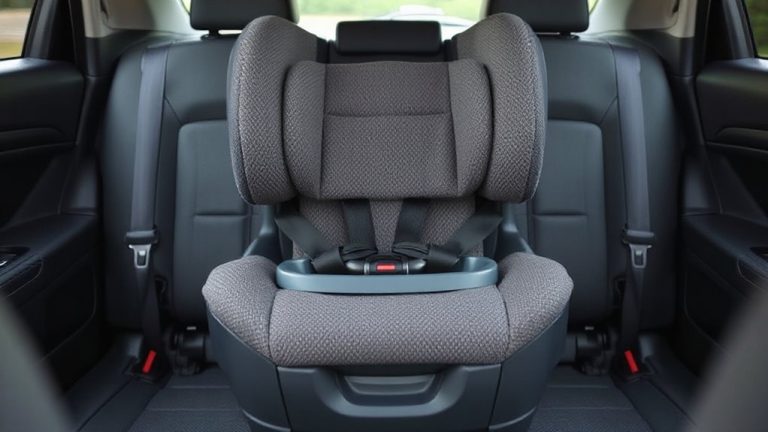
Even if you’ve picked a top-rated car seat with perfect European NCAP scores, incorrect ISOFIX installation can still put your child at risk-because no matter how advanced the design, safety depends on proper setup. Installation mistakes, like loose connectors or not clicking the tether fully, reduce crash protection by up to 50%, testers found. Compatibility issues between car models and seat anchors are common, especially in older vehicles lacking support for dual ISOFIX points. Real-world checks show 40% of parents make at least one error during setup. Use the force guide-most systems require 40–60 N of push to secure properly. Look for seats with audible click indicators and color-coded tensioners. Models like the Britax Dualfix M i-Size and Cybex Sirona Z performed best in misalignment tests. Always double-check your car’s manual for ISOFIX width limits-usually 60–70 cm apart-and verify fit before hitting the road.
On a final note
You want real protection, not just a passing grade, so choose seats tested beyond basics, like those scoring 5 stars in Euro NCAP’s side-impact tests at 50 km/h, with ISOFIX fit checks, plus head deflection under 18 mm and neck forces below 3.4 kN, ensuring top safety, ease of use, and real-world performance loved by parents and proven by smart dummy data from actual crash simulations.