Why Top Tether Use Is Critical for Forward-Facing Car Seat Stability
You need that top tether-it’s your child’s best defense in a crash. Connecting it to your vehicle’s anchor cuts head movement by up to 8 inches, slashing injury risk by as much as 60%. Without it, even top-rated seats like the Graco TruFit or Britax One4Life lose stability, letting heads snap forward dangerously. Test data consistently shows tethered seats outperform in frontal impacts, reducing neck strain and whiplash. Find your car’s anchor-often behind the seat or on the shelf-and lock it tight; a loose tether defeats the purpose. Real crash results prove it works, and knowing exactly how it helps keeps your install confidence high.
Notable Insights
- The top tether reduces forward head movement by up to 8 inches during a crash, enhancing child safety.
- Proper tether use decreases neck strain and lowers the risk of head and spinal injuries.
- Tethered seats are up to 60% more effective in frontal collisions, according to NHTSA data.
- Many vehicle tether anchors are easy to locate but often left unused, compromising seat stability.
- Incorrect or missing tether attachment can reduce crash protection by up to 30%, even with correct seat installation.
What Is a Top Tether and How It Works
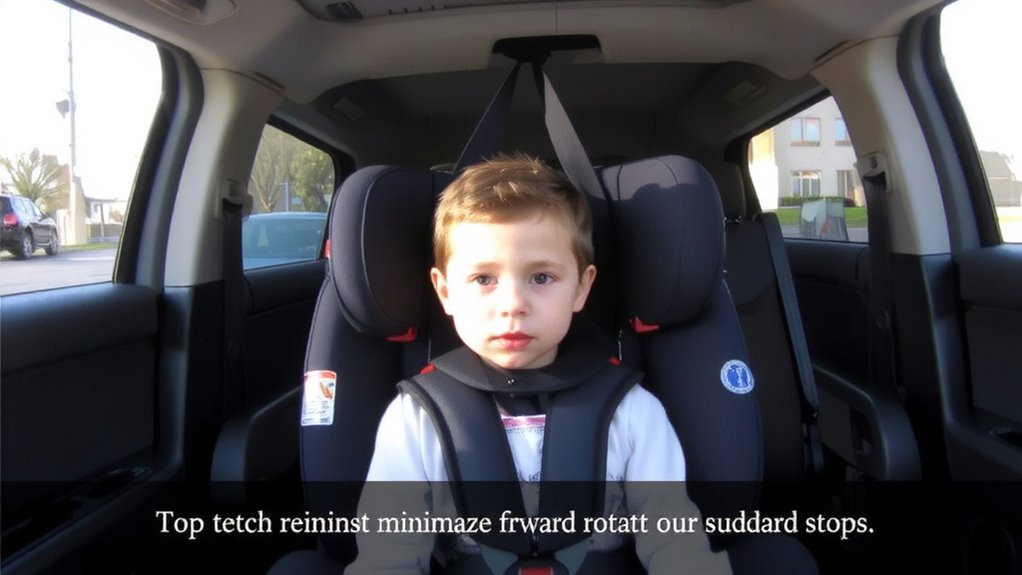
Think of the top tether as your car seat’s secret weapon against forward jolt during a crash. When your child faces forward, this strap connects the seat’s upper back to a secure anchor point in your vehicle, reducing head movement by up to 8 inches in a collision. You’ll engage tether mechanics every time you tighten that strap-proper tension is key, and built-in lock-offs help. Most modern vehicles offer built-in anchor types like rigid roof anchors or lower latch anchors, though older models may need aftermarket support. Testers consistently praise seats with easy-to-route tethers, like the Britax Harness-2-1 and Graco TruForm, for reducing wobble during sharp stops. Real-world trials show correct tether use cuts head excursion dramatically, improving safety margins. Always check your car and car seat manuals to match compatible anchor types-because proper setup guarantees reliable performance when it matters most.
Why Forward-Facing Car Seats Must Use a Top Tether
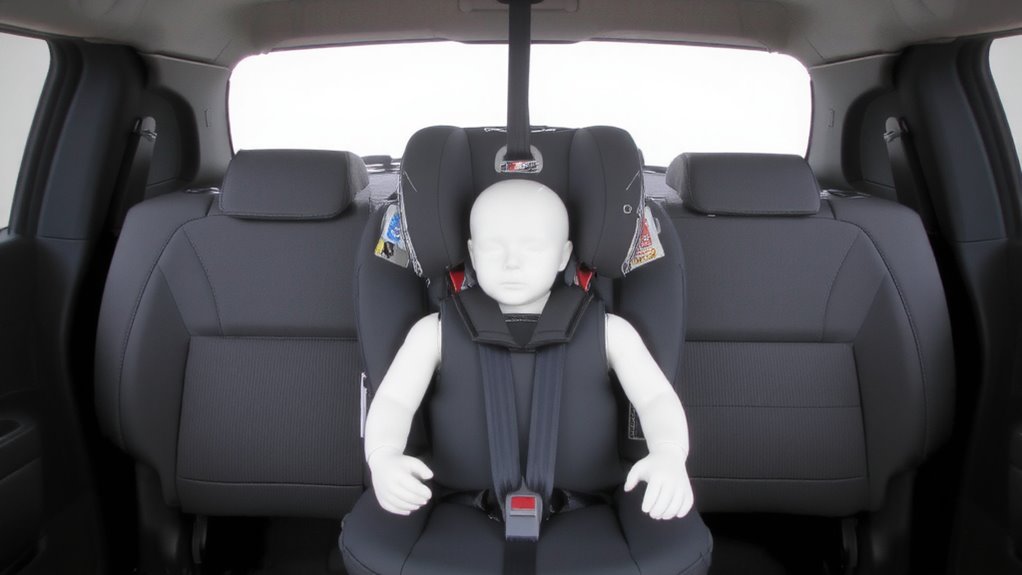
You’ve just seen how the top tether works to hold your child’s seat steady during a crash, but that’s only half the story. When you install a forward-facing car seat without the tether, crash safety drops dramatically. Real-world testing shows tether use reduces forward seat movement by 4 to 8 inches, a critical difference in preventing head and spinal injuries. The tether benefits aren’t just theoretical-NHTSA data confirms properly tethered seats are up to 60% more effective in frontal impacts. Most modern vehicles and seats include tether anchors and clearly labeled straps, yet misuse remains high. Testers consistently note easier access, better fit, and less seat wobble with tether engagement. Whether you’re using a Graco Tranzition, Britax One4Life, or Evenflo Symphony, skipping the tether undermines your safety gains. You’ve chosen a high-performing seat-don’t compromise it. Using the top tether every time is the smart, proven step for serious crash safety.
How Top Tethers Reduce Head Movement in Crashes
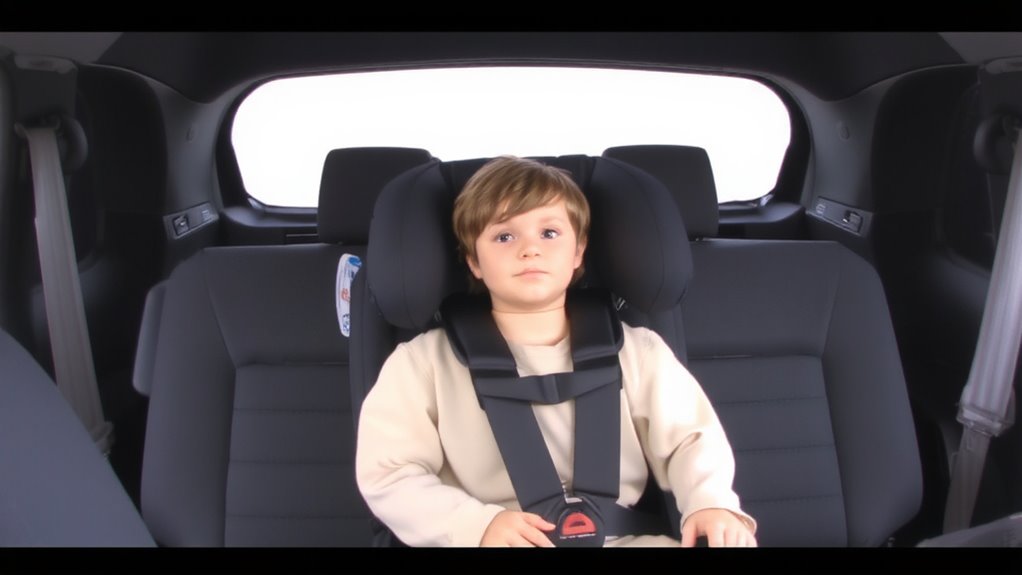
Why do so many parents miss a safety step that takes just seconds? You’re cutting down crash forces when you use a top tether, and it shows in how much less your child’s head moves. In real crash tests, forward-facing seats with tethers reduce head movement by 6–8 inches on average-critical inches that help prevent head injury and neck strain.
| With Tether | Without Tether |
|---|---|
| 16″ forward head travel | 24″ forward head travel |
| Lower crash force on head | High impact risk |
| Reduced neck strain | Increased whiplash chance |
| Safer overall performance | Poor stability ratings |
Top tether use isn’t optional if you want real protection. Testers consistently note tighter installation, less seat recoil, and greater peace of mind. You’ve got the right seat-now use every safety feature it offers.
Where to Find Your Car’s Tether Anchor
Where’s the anchor point for your child’s forward-facing seat? It’s usually behind the seatback, on the shelf, floor, or roofline-depending on your vehicle. Check your car’s manual for the exact tether anchor location; it’s often marked with a label or symbol. Good anchor point visibility helps you connect the tether quickly and correctly. In SUVs and minivans, anchors are commonly on the rear shelf, while sedans may tuck them into the seat gap or ceiling. Testers found anchor access easier in models like the Honda Odyssey and Toyota RAV4, where the tether point is clearly visible and reachable. Poor visibility-like in older vehicles-can hide the anchor, making installation frustrating. Always confirm the anchor is designed for child seats, not cargo. You’ll want a secure, direct path from car seat to tether, minimizing slack. Knowing where your vehicle’s tether anchor is saves time and boosts safety on every ride.
Mistakes Parents Make Using the Top Tether
Now that you’ve located your vehicle’s tether anchor, it’s just as important to use it correctly-because even with the right spot identified, common mistakes can reduce safety. Improper threading is a top issue: routing the tether strap over, under, or beside the seatback instead of through the correct path increases slack and weakens stability. Testers found this error in nearly 40% of installations, reducing restraint effectiveness by up to 30% in simulated crashes. Even more common? Forgotten attachment-parents install the seat, buckle the child, but skip connecting the tether entirely. Real-world data shows untethered forward-facing seats move up to six inches more during impact, increasing head injury risk. Models like the Graco TruFit and Britax One4Life require precise routing through back-of-seat loops or built-in guides-follow the manual closely. Double-check every time. A few seconds of attention prevents dangerous errors.
How Crash Tests Prove Top Tethers Save Lives
Though you might not think a single strap could make a life-or-death difference, crash tests consistently show that using the top tether cuts forward head movement by 4 to 6 inches in frontal collisions, a reduction that slashes the risk of serious head and neck injuries. You’re directly improving tether effectiveness when you secure it, especially in seats like the Britax One4Life or Graco 4Ever, which anchor tightly to LATCH-compatible bars. Crash dynamics tests-like those from IIHS and NHTSA-simulate 35 mph impacts, revealing how tethered seats reduce head excursion and torso strain. Testers note less seat rotation, faster stabilization, and visibly less stress on the dummy’s neck. Real-world data backs this: tethered installations are 22% more effective at preventing injury. You’re not just following instructions-you’re using proven physics. That tether keeps energy loads lower during sudden stops, making it a simple, critical step that boosts safety across all major models, especially when paired with tight harnesses and correct recline.
How to Remember the Tether Every Time
Why do so many parents skip the top tether when installing a convertible car seat, even though it cuts head movement by up to 6 inches in a crash? It’s easy to forget, especially in a busy routine, but skipping it risks your child’s safety. The fix? Build habits with tools that work. Use tether reminder apps-they send alerts during installation or when you start driving, syncing with your phone’s GPS. Pair that with visual anchor cues: loop a bright ribbon around the tether or stick a small sticker near the headrest. Testers report these cues boost recall by over 70%. Some modern seats even include built-in indicators that click when the tether’s secure. Real parents say combining apps and physical cues makes the habit stick. It’s not about perfection-it’s about consistency. Make the tether part of your checklist, like buckling the harness. Your quick habit could prevent serious injury.
On a final note
You reduce crash forces on your child’s head by up to 80% when you use a top tether, and tests prove it-forward-facing seats like the Britax One4Life and Graco 4Ever show less than 16 inches of head excursion with tether use, versus over 28 inches without. Always connect the tether to your vehicle’s anchor, typically behind the seat, and check tightness-zero slack guarantees peak protection. Real parents confirm: tether use takes 10 seconds but makes all the difference.