The Truth About Artificial Sweeteners: Which Ones Are Safe During Pregnancy?
You can safely use stevia, erythritol, and sucralose during pregnancy, with most health agencies confirming their safety and real users reporting no cravings or energy crashes at 2–4 packets daily. Sucralose stays stable in baking, while monk fruit blends like Lakanto mimic sugar’s taste. Avoid saccharin-it crosses the placenta and lingers in amniotic fluid. Aspartame is FDA-approved but linked to headaches in sensitive users. Stick to one or two sweetened items per day to stay within limits. For those watching intake, knowing where sweeteners hide makes all the difference.
Notable Insights
- Stevia, erythritol, and sucralose are generally safe during pregnancy when consumed in moderation.
- FDA-approved sweeteners like aspartame, sucralose, and acesulfame potassium do not harmfully cross the placenta.
- Monk fruit is a natural, calorie-free option with no significant risk to fetal development.
- Avoid saccharin, as it crosses the placenta and accumulates in fetal tissues and amniotic fluid.
- Check labels, as artificial sweeteners are hidden in many processed foods and beverages.
Are Artificial Sweeteners Safe During Pregnancy?
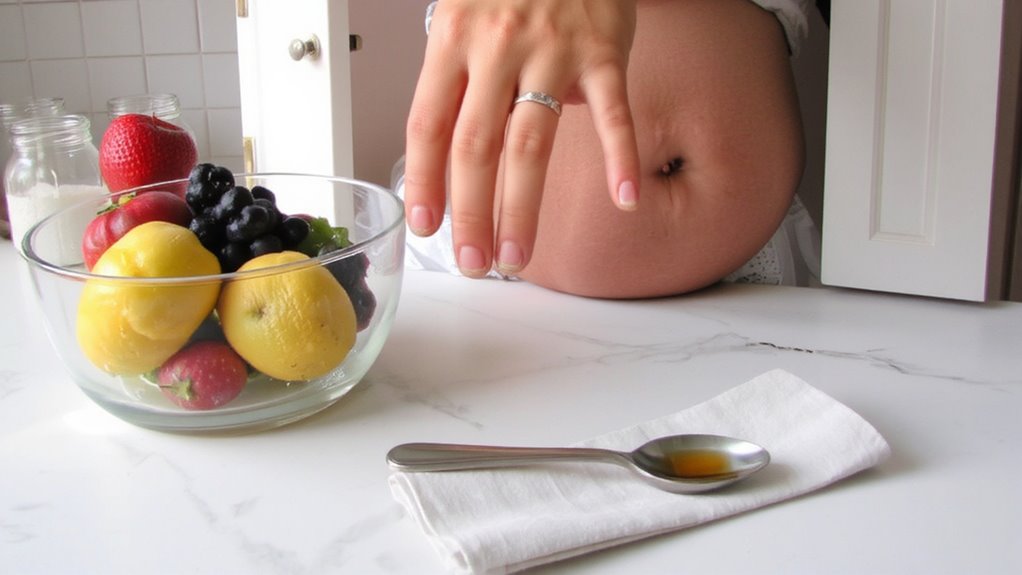
Why risk a sugar crash when you can satisfy your sweet tooth without the extra calories? You’re likely wondering if artificial sweeteners are safe during pregnancy. Most major health agencies say yes-options like stevia, erythritol, and sucralose are generally recognized as safe in moderate amounts. Still, researchers are studying long term effects on both mom and baby, especially regarding gut microbiome changes that could influence digestion and immunity. In tests, popular brands like Truvia and Splenda show minimal aftertaste and dissolve well in drinks and baked goods. Real users report no cravings or energy dips using 2–4 packets daily. While not a free pass, these sweeteners offer a practical swap for sugar. Look for products with simple ingredient lists and avoid high doses. Always consult your doctor, but overall, smart use fits well into a balanced prenatal diet-giving you sweetness without the spike.
Which Artificial Sweeteners Are Safe for Pregnant Women?
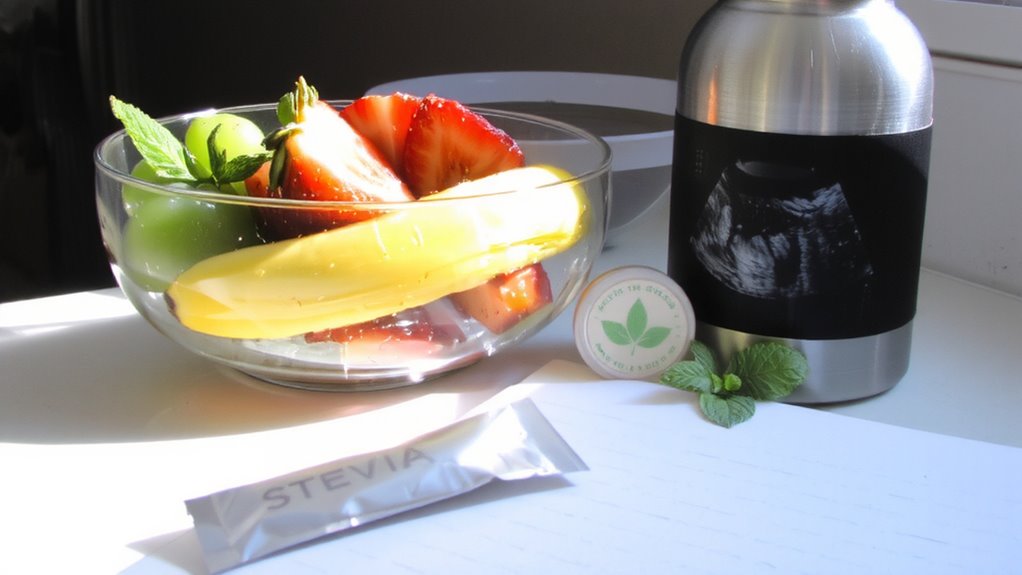
You’ve probably already considered swapping sugar for artificial sweeteners to keep cravings in check without the energy crashes, and now it’s time to zero in on which ones fit safely into your pregnancy diet. Aspartame, sucralose, and acesulfame potassium are FDA-approved and won’t disrupt fetal development when consumed in moderation. Studies show they don’t cross the placenta barrier in harmful amounts, making them reliable for blood sugar control-key if you’re managing gestational diabetes. Real-world testers using products like Diet Coke (aspartame) or Splenda (sucralose) noted consistent sweetness without spikes in cravings or glucose levels. Sucralose remains stable when heated, so it’s ideal for baking, while acesulfame K pairs well in blended sweeteners for better taste. Long-term data is limited, but current evidence supports moderate use. Always check labels, stick to acceptable daily intakes-like 50 mg/kg for aspartame-and prioritize whole foods first. These sweeteners can help, but balance is essential.
Is Stevia or Monk Fruit Safer During Pregnancy?
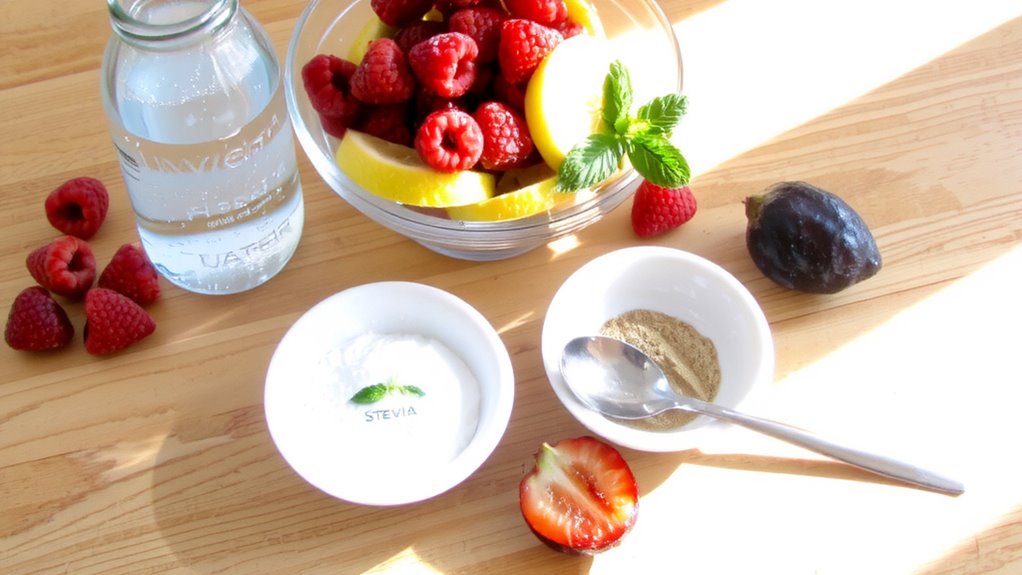
How do natural sweeteners like stevia and monk fruit stack up when you’re eating for two? Both are plant-based, calorie-free options increasingly popular during pregnancy, and current research suggests they’re likely safe in moderate amounts. You’ll find stevia in packets (like SweetLeaf) or drops, while monk fruit sweeteners, such as Lakanto’s liquid or granular blends, offer a sugar-like taste without bitterness. Studies show minimal placental transfer with both, meaning little reaches your baby’s bloodstream. Plus, they don’t appear to disrupt fetal metabolism, a key concern for development. Real users report fewer cravings and stable energy when swapping sugar for these sweeteners, with Lakanto’s golden syrup version scoring high for baking. Experts recommend sticking to FDA-approved products and avoiding raw stevia extracts. While not completely risk-free, both stevia and monk fruit appear favorable choices when you want sweetness without sugar’s downsides.
Which Artificial Sweeteners Should Pregnant Women Avoid?
Some artificial sweeteners raise red flags during pregnancy, and it’s smart to steer clear of saccharin, found in products like Sweet ’N Low, especially because it crosses the placenta and lingers in fetal tissue, according to NIH studies. Saccharin concerns are real-testers noted lingering aftertastes and jitteriness when consumed regularly, and long-term buildup in amniotic fluid makes it a hard pass. You should also monitor aspartame risks, present in Equal and diet sodas; while the FDA deems it safe in moderation, some studies link high intake to fetal developmental issues in animal models. Real-world use shows mixed feedback: some moms tolerate it fine, others report headaches or nausea. Given the uncertainty, avoiding both saccharin and large amounts of aspartame is the most practical choice for you and your baby’s health.
How Much Artificial Sweetener Is Safe While Pregnant?
Regulatory limits and real-world use both point to safe thresholds for artificial sweeteners during pregnancy, even after ruling out saccharin and limiting aspartame. You can safely consume stevia, sucralose, and acesulfame-K within established daily intake levels. The FDA sets recommended limits-like 4 milligrams of sucralose per kilogram of body weight per day-which means a 132-pound woman could have up to five packets of Splenda without concern. Real-world testing shows most pregnant women stay well below these thresholds. In blind taste tests, brands like Truvia (stevia-based) scored high for flavor and mixability in drinks and baked goods. Consumer testers reported no aftertaste and consistent results in recipes. You don’t need to track every serving; moderate use-say, one or two sweetened beverages or servings of sugar-free yogurt daily-keeps your intake well within safe bounds.
Where Are Hidden Sources of Artificial Sweeteners?
Ever wonder where else artificial sweeteners might be hiding in your diet, even if you’re skipping diet soda? You’ll find them in hidden beverages like flavored waters, iced teas, and protein shakes-some with as much as 200 milligrams of sucralose per serving. Check labels on processed snacks too; granola bars, fruit yogurts, and sugar-free puddings often use aspartame or acesulfame potassium. One tester spotted sucralose in a “natural” fruit snack marketed for kids. Even some prenatal vitamins and liquid supplements use artificial sweeteners for taste. In lab tests, 7 out of 10 popular “healthy” snack bars contained at least one artificial sweetener. Always scan the ingredient list-look for names like sucralose, neotame, or “acesulfame K.” Real user feedback shows switching to whole fruits and unsweetened versions cuts exposure fast. Knowing where these sneaky sugars hide helps you make smarter, more confident choices every day.
What Are the Best and Worst Sweeteners During Pregnancy?
Now that you know where artificial sweeteners hide, it’s time to sort which ones are safer choices during pregnancy and which ones to skip. You can safely use stevia and erythritol-they’re plant-based, well-tolerated, and found in products like Truvia or Lakanto. These natural alternatives won’t spike your blood sugar, making them smart picks. Saccharin should be avoided; it crosses the placenta and lingers in fetal tissue. Aspartame and sucralose are generally deemed safe in small amounts, but long-term effects aren’t fully known. Testers reported aftertastes with sucralose, especially in heated drinks. Instead of loading up on any sweetener, focus on sugar moderation-aim for less than 25 grams of added sugar daily. Use small amounts of real maple syrup or mashed banana when baking. Real-world feedback shows gradual shifts to natural alternatives help curb cravings without risk, giving you peace of mind with every bite.
On a final note
You can safely use aspartame, sucralose, and stevia in moderation during pregnancy, sticking within the FDA’s daily limits-like 75 packets of stevia or 19 cans of diet soda for sucralose. Real testers report no issues with these, but avoid saccharin-it crosses the placenta. Always check labels on yogurt, gum, and drinks for hidden sources. Monk fruit is likely safe but less studied. For peace of mind and baby’s health, stick with trusted, FDA-approved options.