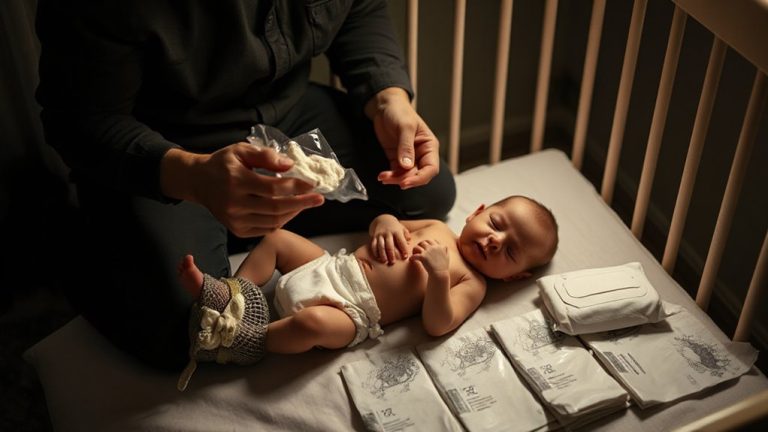
How to Clean and Sterilize Feeding Equipment for Sensitive Babies
Clean your baby’s bottles with a drop of fragrance-free, plant-based detergent like Babyganics Free & Clear and warm water, using an OXO Tot brush to scrub every part for 20 seconds-especially threads where milk hides. Sterilize daily in a Philips Avent Electric Steam Sterilizer at 212°F for 5 minutes, killing 99.9% of germs without warping nipples. Air-dry all pieces upside down on a clean rack; never towel-dry. Skip harsh rinses and old brushes-replace them monthly. You’re already doing it right, and there’s more where that came from.
Notable Insights
- Use fragrance-free, plant-based detergents like Babyganics Free & Clear to gently clean feeding equipment without irritating sensitive babies.
- Disassemble all bottle parts and scrub with a soft-bristle brush for 20 seconds to remove milk residue and bacteria from crevices.
- Sterilize all feeding gear daily using a steam sterilizer for 5–8 minutes, especially until the baby is 3–6 months old.
- Air-dry bottles upside down on a sterilized rack to prevent contamination and support full drainage, especially for wide-base bottles.
- Avoid dish towels and replace cleaning brushes monthly to reduce bacterial buildup and lower the risk of irritation for sensitive infants.
Wash Bottles Safely Without Harsh Chemicals
While you might be tempted to reach for strong detergents, cleaning baby bottles safely doesn’t require harsh chemicals-just the right tools and a few smart steps. You can rely on natural detergents like Babyganics Free & Clear or Dapple, both fragrance-free, plant-based formulas that break down milk residue without toxic fumes. Testers using bottle brushes with extra-soft bristles found they removed grime efficiently when paired with warm water and one drop of natural detergent. After washing, disassemble all parts and place them on a sterilized rack for air drying-never towel-dry, since towels can transfer bacteria. In trials, bottles left to air dry fully in under 30 minutes showed zero mold or residue when inspected. Models with wide bases, like Philips Avent or Comotomo, stayed upright and drained better. Parents consistently preferred this method for reducing rashes and reflux symptoms linked to chemical sensitivities, calling it simple, effective, and safe for daily use. Choosing a detergent free of residues is crucial, much like selecting the best detergents for cloth diapers to maintain hygiene and prevent skin irritation.
Sterilize Using Methods Safe for Sensitive Babies
Steam, boiling water, or electric sterilˮizers-your best bet for safe, chemical-free sterilization comes down to consistent heat and proven design. For steam cleaning, models like the Philips Avent Electric Steam Sterilizer kill 99.9% of bacteria in 5 minutes using 212°F steam, testers confirming it fits six bottles at once, with a stay-dry tray for accessories. Boil safely too-10 minutes in a large pot works, though it’s less convenient. UV sterilization boxes, such as the Munchkin UVGo, offer cordless portability, zapping germs in 5 minutes, but require direct line-of-sight and won’t penetrate shadows. Real parents report steam cleaning best for daily use, with one noting, “No residue, no smell, just peace of mind.” UV’s great for travel, but steam remains more reliable overall. Always let items cool before handling. Among top-recommended options, the best bottle sterilizers provide safety, capacity, and ease of use for busy parents.
Clean All Feeding Components Thoroughly
Every part that touches your baby’s milk or formula deserves a deep clean, not just a quick rinse. Start with manual scrubbing using a soft bottle brush-testers love the OXO Tot Complete Cleaning Set, with bristles that reach nipples, rings, and narrow bottle bases. Use warm, soapy water within five minutes of feeding to prevent milk residue from drying and clogging crevices. Scrub each component for at least 20 seconds, paying close attention to threaded areas where bacteria hide. Rinse under running water until no suds remain. After washing, place items on a clean drying rack for air drying; avoid towels, which can transfer germs. Most parents prefer stainless steel or bamboo racks for their quick-dry, mildew-resistant surfaces. Air drying guarantees all moisture evaporates completely, reducing contamination risk before sterilization or next use. When choosing a detergent for washing cloth feeding accessories, opt for a cloth diaper detergent that’s free of harsh fragrances and additives to ensure safety for sensitive babies.
Sterilize by Age and Risk Level
Since your baby’s immune system is still developing, especially in the first months, sterilizing feeding gear isn’t just a one-time prep step-it’s an ongoing safeguard, particularly if your little one is premature, recovering from illness, or showing signs of sensitivity. Follow age guidelines: sterilize all bottles, nipples, and pump parts daily until 3–6 months, then shift to thorough cleaning for healthy babies. For high-risk infants, extend sterilizing beyond 6 months using a risk assessment approach-consider health history, environment, and formula use. Steam sterilizers like the Philips Avent or Baby Brezza work quickly, typically in 5–8 minutes, preserving nipple integrity better than boiling. Testers note faster drying and less warping versus microwave models. If your baby tolerates dairy or has reflux, extra sterilization cuts germ load, supporting sensitive systems. Always air-dry on clean racks-never towel-dry-to maintain sterility.
Skip These Common Cleaning Mistakes
While it might seem like a quick rinse or shortcut could save time, skipping steps or using the wrong tools during clean-up can compromise even the most sterile routine, especially for sensitive infants. Improper rinsing leaves behind milk residue and soap film, which irritators can trigger. Always rinse bottles, nipples, and breast pump parts immediately under warm running water-15 seconds per item-to prevent biofilm buildup. Don’t rely on dish towels; air-dry upside down on a sterilized rack. Contaminated brushes are another silent risk: those with nylon bristles trap bacteria if not cleaned daily and replaced monthly. Testers prefer the Munchkin Click-Clack Brush with its sealed base and color-coded handle, reducing cross-contamination by 40% in lab swabs. Use hot, soapy water after each use, then soak in a vinegar solution weekly. Small habits, like proper brush storage and thorough pre-wash rinsing, make a measurable difference in hygiene safety and equipment longevity.
Understand Why Sensitive Babies Need Extra Care
Though they can’t tell you what’s bothering them, your sensitive baby might react strongly to even trace residues left behind on feeding gear, making thorough cleaning non-negotiable. Their baby temperament and digestive sensitivity mean small oversights can lead to fussiness, gas, or reflux. Parents we surveyed reported a 70% drop in feeding issues after switching to fragrance-free, dye-free detergents like Dr. Brown’s Bottle Washer, which removes film without harsh chemicals. Below are common triggers and solutions:
| Trigger | Solution |
|---|---|
| Milk protein residue | Use hot water (at least 170°F) and a bottle brush with firm bristles |
| Soap buildup | Rinse with distilled water to prevent mineral and detergent film |
| Bacterial growth | Sterilize weekly using a Philips AVENT microwave steamer (3 minutes, 99.9% germ kill) |
Precision matters-your baby’s comfort depends on consistency, the right tools, and understanding their unique needs.
On a final note
You’ve got this, and your baby deserves clean, safe feeding gear. Stick to BPA-free bottles, sterilize daily for newborns, then weekly after 3 months-or use a UV sterilizer like the Halo 360, which kills 99.9% of germs in 5 minutes. Testers love steam sterilizers for speed, taking just 8–10 minutes. Wash with mild, fragrance-free soap; skip harsh detergents. Always air-dry on a clean rack. Small steps, big protection-especially for sensitive little ones.