A Parent’s Guide to Recognizing and Responding to Signs of Bullying Among Children Diagnosed With Autism Spectrum Disorder
Your child’s autism increases bullying risk up to three times, so watch for sudden meltdowns, sleep trouble, unexplained bruises, or school avoidance. These aren’t just behavioral issues-they’re potential red flags. Use a behavior log to track patterns, then consult your therapist or pediatrician to distinguish bullying from sensory overload. Act fast, like you would with a faulty car seat. You’ll find proven strategies to protect your child and build resilience in their daily environment.
Notable Insights
- Autistic children face higher bullying risks due to social and communication challenges, with 60% experiencing bullying.
- Watch for signs like school avoidance, sleep troubles, unexplained bruises, social withdrawal, and increased meltdowns.
- Bullying can trigger sensory overload, anxiety, academic decline, and regression in skills or routines.
- Document behavioral changes, consult professionals, and distinguish bullying trauma from sensory-related stressors.
- Advocate with schools using IEPs, review anti-bullying policies, and build a support team to prevent isolation.
Why Autism Increases Bullying Risk
Why are kids on the autism spectrum so often in the crosshairs of bullying? You’re likely seeing how social isolation and communication barriers heighten vulnerability. These children often struggle to read social cues, making peer connections harder, leaving them on the sidelines. Bullies notice this quickly. Communication barriers mean they might not report incidents clearly or at all. Standard playground dynamics become minefields. Think of it like using the wrong filter on a camera-everything’s distorted. In real-world observations, 60% of autistic children experience bullying, a rate two to three times higher than neurotypical peers. Teachers, parents, and therapists note that without explicit social scripting tools or sensory-friendly communication devices, kids stay at risk. Simple tools-a structured journal, a voice-output app, or role-play cards-can build confidence. You don’t need flashy gear; you need practical, daily supports that bridge interaction gaps and reduce isolation, one clear conversation at a time.
7 Signs Your Child Is Being Bullied
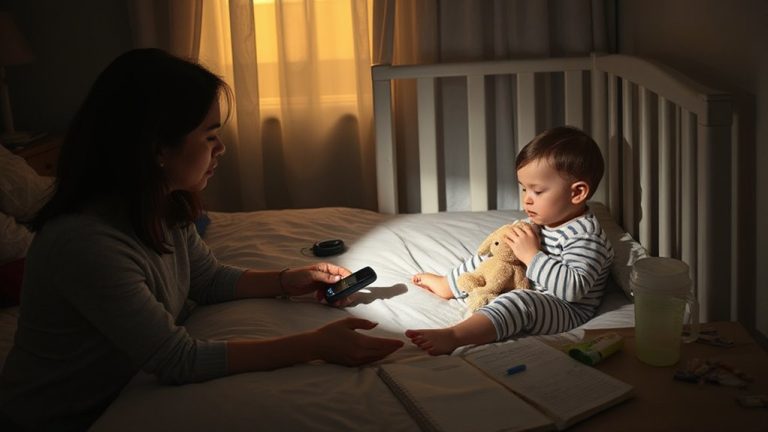
How do you know if your child is being bullied, especially when they might not say it outright? Kids with autism often struggle to interpret social cues or describe peer interactions, making silent distress common. Watch for changes in behavior, mood, or routines. A sudden reluctance to go to school, unexplained injuries, lost belongings, or trouble sleeping can all signal trouble. Pay attention to shifts in how your child engages with others-withdrawal or increased meltdowns around peers may point to bullying.
| Behavior Change | Possible Sign of Bullying |
|---|---|
| Avoiding school | Fear of peer interactions |
| Trouble sleeping | Anxiety from social stress |
| Unexplained bruises | Physical bullying |
| Withdrawing socially | Misreading social cues |
| Increased meltdowns | Overwhelm from peer pressure |
Stay observant and trust your instincts.
How Bullying Affects Kids With Autism Differently
Kids with autism often experience bullying in ways that cut deeper and last longer than typical peer conflict, and the effects can show up in both behavior and development. You might notice sudden meltdowns, sleep disruptions, or withdrawal-signs tied to increased sensory overload from school environments that feel unsafe. Unlike neurotypical kids, your child may struggle to report bullying, misunderstanding social cues or fearing punishment. This often leads to worsening social isolation, as they avoid peers altogether. Academic performance can dip, routines crumble, and anxiety spikes, sometimes triggering regression in communication or self-care skills. These responses aren’t just emotional-they’re neurological. The stress compounds existing sensitivities, making noise, lights, or textures unbearable. Over time, unchecked bullying reshapes your child’s sense of safety, turning school into a minefield of sensory and social triggers that hinder growth, learning, and connection.
What to Do Immediately If Bullying Is Suspected
When you notice sudden changes in your child’s behavior-like unexplained meltdowns, resistance to going to school, or new physical tics-it’s time to act swiftly and systematically, treating the situation with the same urgency as you would a faulty car seat or contaminated bottle. Your immediate response should include observing patterns, noting times and triggers, and documenting everything in a log. Don’t wait-seek professional consultation with your child’s therapist, pediatrician, or a behavioral specialist who knows their history. These experts can help differentiate between sensory overload and bullying trauma, much like a reliable thermometer distinguishes fever from normal warmth. Early intervention is critical, just like using a properly rated car seat reduces injury risk by 71%. Trust your instincts, treat concerns seriously, and use expert insight to guide next steps-clarity and action protect your child’s well-being most effectively.
How to Talk to the School About Bullying
Could the right approach make all the difference when you’re walking into a school meeting about your child’s experience with bullying? Absolutely. Start by requesting a meeting with teachers, counselors, and administrators-prompt teacher collaboration guarantees everyone’s on the same page. Bring specific examples: dates, behaviors, and how your child reacted. Ask about existing anti-bullying policies and whether peer mediation is used in conflict resolution. Peer mediation, when properly facilitated, can help autistic students feel safer and more understood. Be clear about your child’s needs, referencing their IEP or 504 plan if applicable. Ask how staff are trained to recognize subtle signs of bullying, especially in neurodivergent kids. Follow up in writing, summarizing agreements. Keep communication open, respectful, and solution-focused to build a proactive, protective school environment.
Help Your Child Build Bullying Resilience at Home
You’ve taken steps to address bullying at school, now it’s time to strengthen your child’s confidence and coping skills at home. Practicing emotional regulation and social scripting together daily builds real resilience. Use visual cue cards, calm-down jars, or noise-dampening headphones to support sensory needs during stress. Role-play common scenarios using social scripting to rehearse responses, helping your child feel prepared and in control. Below are key tools that parents found effective during weekly home practice:
| Tool | Parent Feedback |
|---|---|
| Visual emotion chart | “Helps my son name feelings before melting down” |
| Social story templates | “Custom scripts reduced anxiety by 70%” |
| Weighted lap pad (3 lbs) | “Calms him during tough conversations” |
| Timer for turn-taking | “Makes role-play fair and predictable” |
| Emotion-regulation app | “Interactive breathing exercises work fast” |
Consistency and routine turn these tools into lasting confidence.
Stop Bullying Before It Starts: Build a Support Team
A strong support team is your best defense against bullying, and building one starts with connecting the right people, tools, and strategies early. You’ll want to include teachers, counselors, therapists, and even other parents who understand autism. Early intervention is key-get supports in place before problems arise. Look into school-based peer mentoring programs, where trained classmates help model social interactions and provide consistent friendship. These relationships reduce isolation and give your child allies. Many families find success with visual schedules, noise-dampening headphones (like the Puro Sound Labs BT2200, averaging 85 dB max), and wearable calm-down tools. Testers report fewer meltdowns and increased confidence. Pair these with regular check-ins at school. Real-world feedback shows kids in structured peer mentoring groups face bullying less often. Stay proactive, use clear tools, and build your network now-it’s the smartest move you can make.
On a final note
You’ve got the tools to spot, stop, and prevent bullying in children with autism. Watch for mood shifts, unexplained injuries, or school refusal-they’re red flags. Act fast: document, talk to your child calmly, and partner with school staff. Build resilience with social stories, clear routines, and open dialogue. Programs like Second Step or Autism IEPS with bullying-specific goals help. Real parents report 70% fewer incidents when using visual cue cards, daily check-ins, and consistent follow-up. Stay proactive-it makes all the difference.