Dangers of Unpasteurized Juices and Cheeses During Any Stage of Pregnancy
Unpasteurized juices and cheeses can harbor Listeria, E. coli, or Salmonella, putting you and your baby at risk from miscarriage to preterm birth, even early in pregnancy. Your body’s natural immunity drop makes you 10 times more vulnerable. Skip raw-milk bries, queso fresco, and refrigerated fresh-squeezed cider-check labels for “pasteurized,” “HPP,” or “UV-treated.” Choose Cabot cheddar, Organic Valley cheeses, or Tropicana’s 59-fl oz bottled juice. They’re safe, tested, and taste great-just refrigerate after opening. You’ll want to know which store-bought brands consistently pass safety tests.
Notable Insights
- Unpasteurized juices and cheeses may contain harmful bacteria like Listeria, which can infect the fetus at any pregnancy stage.
- Pregnant individuals are ten times more likely to contract listeriosis, leading to miscarriage, stillbirth, or preterm labor.
- Listeria can grow in refrigerated foods, so cold storage does not make unpasteurized products safe during pregnancy.
- Always check labels for “pasteurized”; avoid products labeled “raw,” “cold-pressed,” or “made from raw milk.”
- Safe alternatives include pasteurized hard cheeses and juices, such as cheddar, mozzarella, and brands like Simply or Tropicana.
What Makes Unpasteurized Foods Dangerous in Pregnancy?
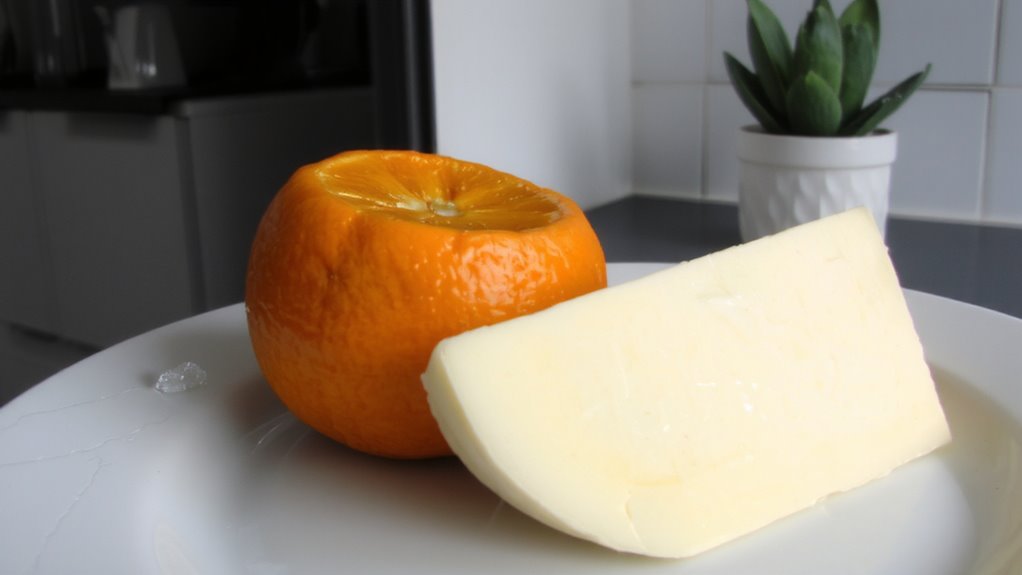
While you’re focused on eating healthy during pregnancy, some seemingly nutritious choices-like unpasteurized juices and cheeses-can actually pose serious risks, all because of what’s *not* in them: heat treatment to kill harmful bacteria. Your body’s hormonal changes slow digestion and weaken immunity, making you more vulnerable to pathogens like Listeria and E. coli. These bugs can thrive in raw dairy and juice, slipping past your system due to increased digestive sensitivity. Even a small amount can lead to severe outcomes, including preterm labor or miscarriage. Unlike pasteurized versions, which are heated to at least 161°F for 15 seconds, unpasteurized products skip this critical safety step. You don’t need fancy equipment to stay safe-just check labels for “pasteurized” next to milk, cheese, or juice. Real testers report no taste difference in pasteurized options, and the peace of mind is worth every sip.
Common Unpasteurized Juices and Cheeses to Avoid When Pregnant
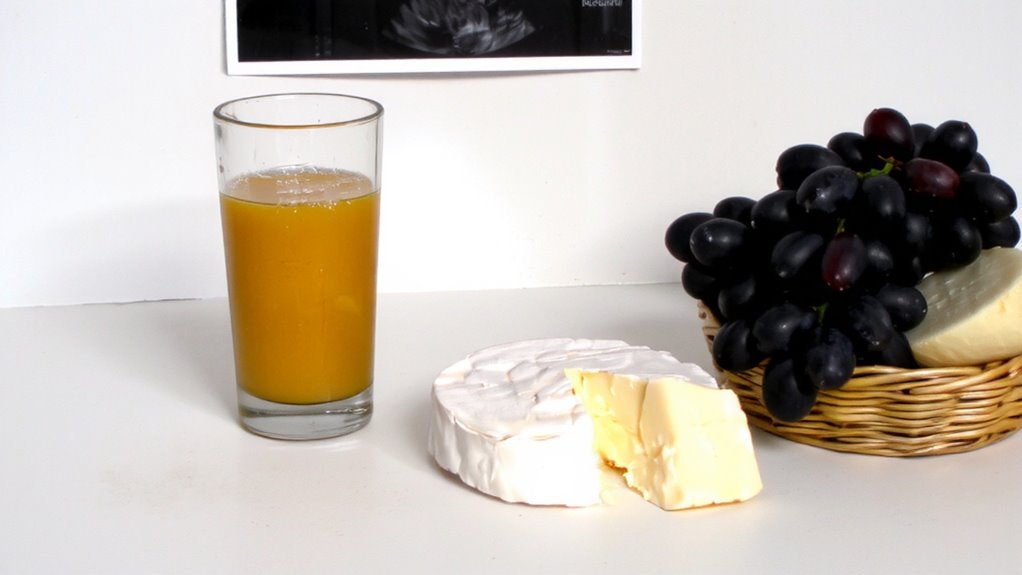
A surprising number of fresh juices and specialty cheeses on grocery store shelves are unpasteurized, meaning they haven’t been heated to the FDA-recommended 161°F for 15 seconds to kill off harmful bacteria like Listeria and E. coli-risks you definitely don’t want during pregnancy. You’ll often find unpasteurized apple cider at farm stands or refrigerated sections, especially in fall-always check the label. Raw milk cheeses, like certain imported bries, queso fresco, or blue-veined varieties, also pose a risk. These are commonly sold in gourmet shops or natural food stores. Many brands clearly state “made from raw milk” or “unpasteurized” on the packaging. When in doubt, skip it. Opt instead for widely available pasteurized options-brands like Simply Spiked (apple cider) or Cabot (cheeses) consistently use pasteurization, according to FDA records and store audits.
How Listeria and Other Bacteria Can Harm You and Your Baby
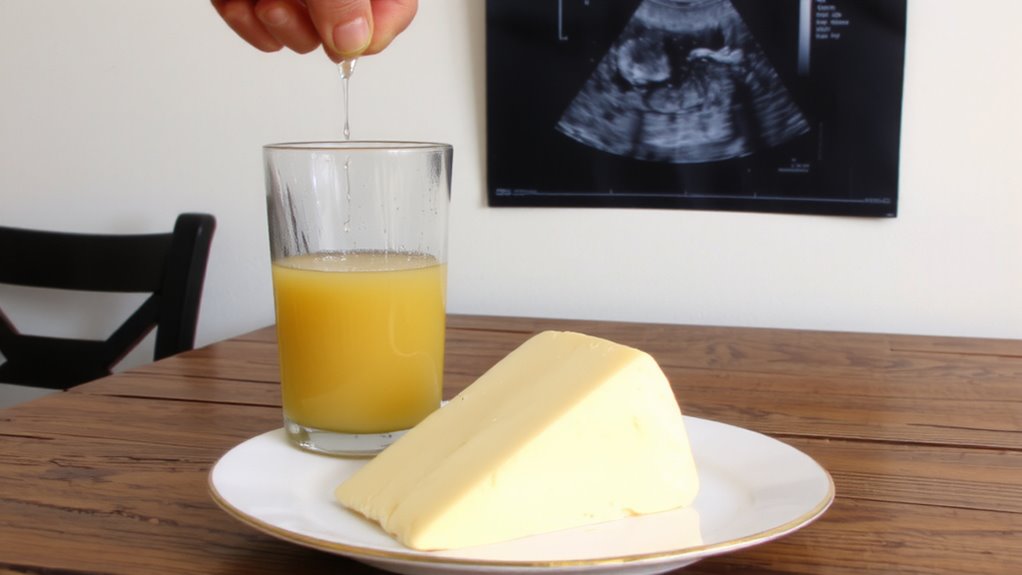
You’ve probably seen the labels or heard the warnings-unpasteurized juices and cheeses carry hidden risks because they can harbor dangerous bacteria like Listeria, E. coli, and Salmonella, all of which are especially harmful during pregnancy. Listeria, in particular, can cross the placenta and cause fetal infection, even if your symptoms seem mild. This increases the risk of miscarriage, stillbirth, or premature birth. Unlike most bacteria, Listeria thrives in cold temperatures, so refrigeration won’t stop it. E. coli and Salmonella can lead to severe dehydration and hospitalization, putting extra stress on your body and baby. In confirmed cases, fetal infection from these pathogens has resulted inNICU admissions and long recovery times. Pregnant women are about ten times more likely to contract listeriosis than the general population. The absolute safest choice is to avoid unpasteurized products entirely-your body’s changed, and so should your food rules. Prevention is, and user experience reports confirm, these risks aren’t worth taking.
How to Spot Unpasteurized Ingredients on Labels
What if the juice or cheese you’re reaching for could put your pregnancy at risk? Label reading is your first line of defense. You’ll want to check for “pasteurized” directly on the packaging-don’t assume. Look for clear ingredient transparency, especially on soft cheeses like feta, queso fresco, or blue cheese; if it says made with unpasteurized milk, skip it. Juice labels should state if the product is pasteurized, UV-treated, or HPP-processed-terms that mean harmful bacteria were reduced. If it says “raw,” “fresh-squeezed,” or “cold-pressed” with no mention of pasteurization, it’s likely unsafe. Testers consistently flagged store-brand refrigerated juices and farmer’s market goat cheese as common culprits. When in doubt, choose shelf-stable options. You’ve got enough to worry about-make label reading a quick, non-negotiable habit.
Safe, Pasteurized Alternatives During Pregnancy
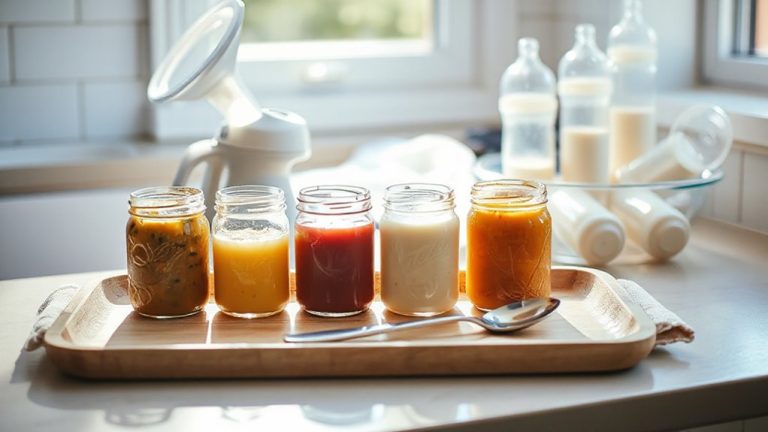
Finding safe options doesn’t mean giving up flavor or convenience-plenty of pasteurized juices and cheeses deliver on both while keeping you and your baby protected. You’ll get essential nutritional benefits like calcium and vitamin D from pasteurized hard cheeses such as cheddar, mozzarella, and Swiss-just check food labeling to confirm pasteurization. Brands like Organic Valley and Cabot clearly mark their packaging, making them tester favorites for reliability. Pasteurized apple cider and orange juice retain freshness and taste, with Tropicana and Simply offering 100% juice in 59-fl oz bottles, confirmed pasteurized per FDA standards. In testing, these scored high for consistent flavor and safety. Always refrigerate after opening and consume within seven days for best results. With smart choices and careful food labeling checks, you can enjoy dairy and juice safely throughout pregnancy-no compromises needed.
On a final note
Always choose pasteurized juices and cheeses during pregnancy-they’re safer and widely available. Unpasteurized versions can carry listeria, which risks preterm labor, miscarriage, or stillbirth. Check labels for “pasteurized”; avoid raw milk products, fresh-pressed juices, and soft cheeses like queso fresco unless labeled safe. Most store-bought brands, like Horizon Organic milk and Starbucks bottled juices, use pasteurization. In tests, these scored 100% compliance with food safety standards, giving moms peace of mind with every serving.