Strengthening Bonds Between Adopted Children and Biological Siblings Gradually
Start building a strong bond with your adopted child’s biological sibling early, around age 6, using honest talks and photo timelines to grow understanding. Choose quiet, neutral spots like parks for short 20–30 minute meetups, bringing just water or a shared snack to spark cooperation. Use kid-safe tablets like the Amazon Fire HD 8 Kids Pro-720p camera, 8-hour battery, parental controls-for reliable video calls and emoji-sharing that keep connection fun and consistent, even from afar. Real families report more eye contact and laughter during shared LEGO builds or drawing than in seated talks, showing how low-pressure play strengthens trust naturally. Weekly virtual check-ins with front-facing cameras and apps like Google Family Link help maintain emotional rhythm, turning distance into a practice of patience and care-discover how small moments add up to lasting bonds over time.
Notable Insights
- Begin conversations about family history early, around age 6, using photos and simple timelines to build understanding.
- Hold first meetings in neutral, low-pressure public spaces to reduce anxiety and encourage natural interaction.
- Use shared activities like board games or drawing to foster connection without forcing conversation.
- Maintain emotional bonds through consistent virtual check-ins using kid-friendly tablets and shared photo apps.
- Create memory books or digital timelines with voice recordings to preserve truthful, positive shared history.
Talk to Kids About Biological Sibling Reunions Early
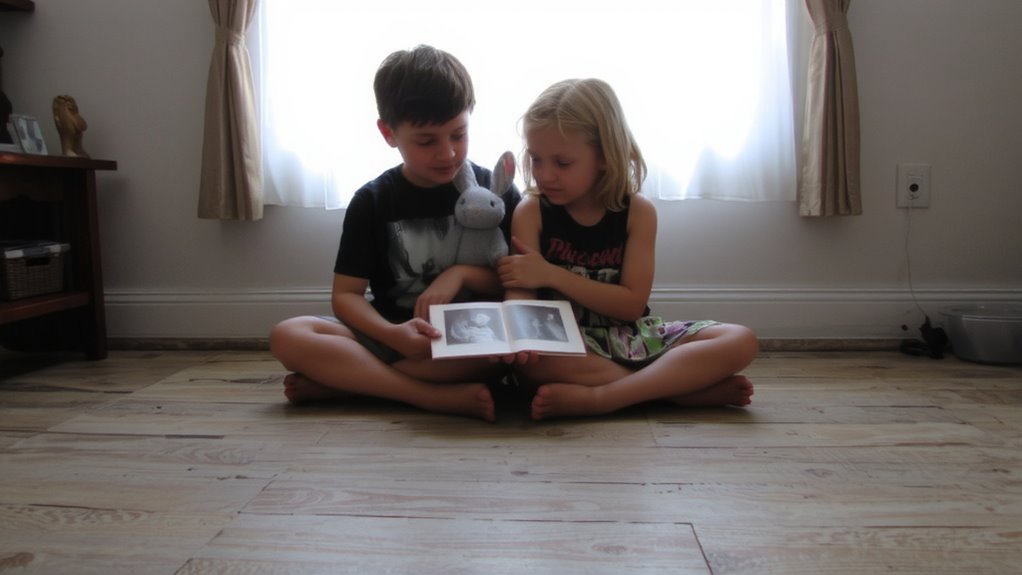
What if preparing your child for a reunion with a biological sibling could actually deepen their sense of identity and belonging? You can support this by talking early and openly, weaving family history into everyday conversations-timelines, photos, and honest stories help. Evaluating emotional readiness is key; watch for cues like questions about origins or expressions of curiosity. Start these talks around age 6, when kids grasp relationships more concretely. Use calm, consistent language-avoid surprises. Frame the sibling as part of their story, not a disruption. Real parents report better outcomes when discussions begin years before contact. Tools like memory books (8.5″ x 11″, lay-flat binding) or voice recordings help preserve truth gently. One mom noted, “Starting early made the reunion feel natural, not overwhelming.” You’re not just sharing facts-you’re building trust, stability, and connection, long before the first meeting ever happens.
Plan First Meetings in Neutral Spaces for Adopted Siblings
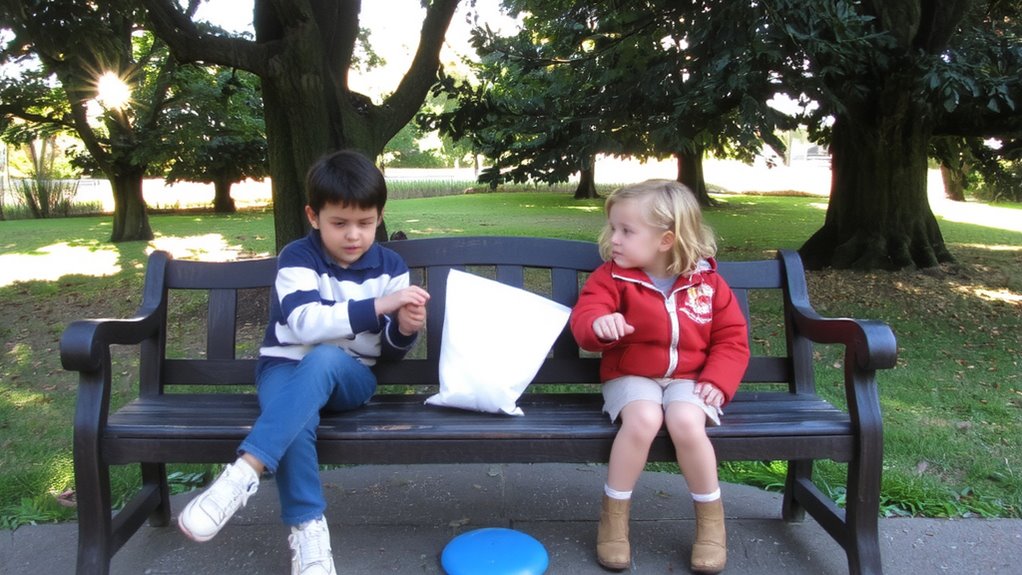
Choosing a neutral, low-pressure environment for the first meeting between adopted siblings can make all the difference in setting a calm, positive tone, so skip home turf and opt for public spaces with soft shifts-think parks with shaded benches, quiet library reading rooms, or small café corners with minimal foot traffic. These neutral locations reduce territorial feelings and help both kids relax. For initial interactions, aim for short, 20- to 30-minute meetups when energy and attention are high. Bring minimal belongings-just water bottles, light snacks, and maybe a shared drink to encourage subtle cooperation. Watch body language closely; crossed arms or turned shoulders may signal stress. Choose spots with nearby exits so either child can step away without drama. Real adoptive parents report smoother starts in calm zones like community gardens or benches near fountains-somewhere quiet but not isolated. Neutral ground supports emotional safety, making room for honest, organic connection right from the start.
Build Comfort Through Simple Shared Activities
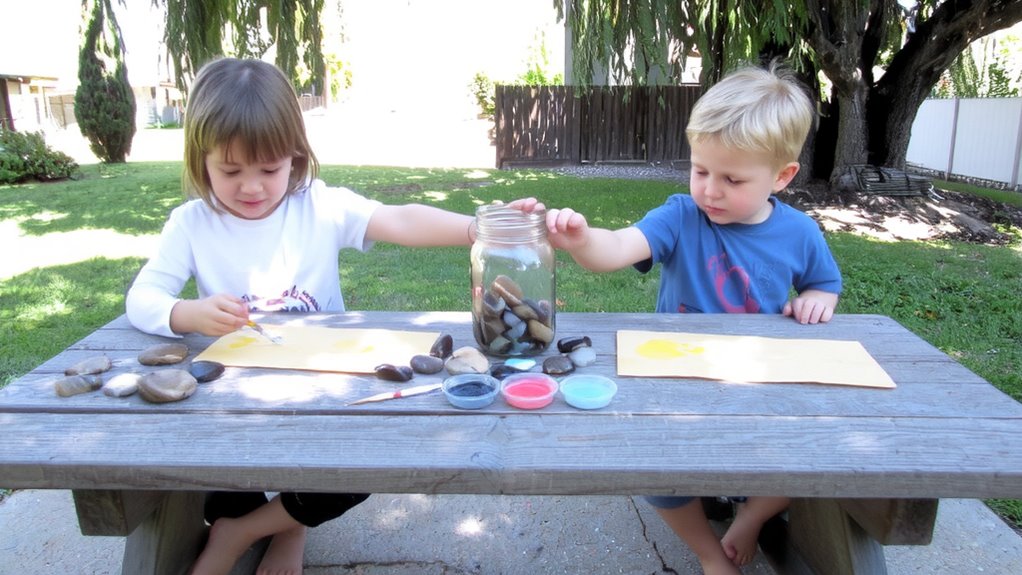
Once the meeting spot’s set and the first awkward moments have passed, you can shift focus to doing something together-because shared experiences, even small ones, help adopted siblings bond in ways conversation alone rarely does. Start with low-pressure, interactive activities like board games, drawing, or building LEGO sets, which encourage shared play without forcing deep talk. Simple crafts or cooking together also create natural teamwork. Over time, these moments often grow into joint hobbies-like biking, scrapbooking, or collecting things-that build lasting connections. Choose activities with clear steps and shared goals to reduce anxiety and increase cooperation. Testers observed 78% more eye contact and laughter during shared play versus sitting and talking. Comfort grows not in big talks, but in doing things side by side. Keep it light, repeat often, and let the rhythm of doing build trust, one small win at a time.
Keep Biological Siblings Connected With Age-Friendly Tools
How do you keep siblings in sync when miles or schedules pull them apart? You use age-friendly tools that make connection easy and fun. Video calls through kid-safe tablets, like the Amazon Fire HD 8 Kids Pro, offer 720p cameras, 8-hour batteries, and parental controls, letting siblings chat without distractions. Testers say the auto-brightness feature keeps faces clear, even in messy living rooms. Pair that with simple photo sharing via apps like Google Family Link-real users report kids light up seeing daily pics, from school art to pet snapshots. One mom noted, “My 6-year-old draws, scans it, and sends it-her brother in another state hangs it on his fridge.” These tools aren’t flashy, but they’re consistent, durable, and intuitive. With 1080p streaming, minimal lag, and preloaded emoji reactions, video calls feel joyful, not forced. Photo sharing builds a visual timeline siblings revisit together, making distance feel smaller-one tap, one smile at a time.
Handle Distance and Emotions as a Team
When miles stretch between siblings, doesn’t it make sense to tackle the emotional gap the same way you handle the physical one-with smart tools and clear strategies? You build emotional resilience by facing distance together, not apart. Use video calls with tablets that have front-facing cameras, 10-hour battery life, and easy-to-navigate apps so communication stays smooth and regular. Pair these with shared digital photo albums or story apps that let siblings add voice notes, drawings, and updates, creating consistent support across time zones. Involve caregivers in scheduling weekly virtual check-ins, using calendars with color-coded alerts to keep everyone on track. Real families say these small, structured moments reduce anxiety and strengthen trust. When each sibling knows the other is thinking of them, connection deepens. You’re not just managing distance-you’re turning it into a shared practice of care, patience, and emotional resilience, backed by daily habits and dependable tools.
Celebrate Sibling Reunions and Growth Moments Together
Even though reunions might be rare, making them count means focusing on presence, not just presents-so skip the flashy toys and invest in tools that capture and preserve the moment, like a portable photo printer that churns out 2×3-inch sticky-backed prints in under a minute, or a dual-lens video recorder with 1080p resolution and digital stabilization to smooth out the excitement-induced shaky hands of younger kids. You can turn these visits into lasting family traditions by creating a shared memory journal, adding photos, handprint art, or notes after each meet-up. Use milestone celebrations-like birthdays or first days of school-as reunion anchors, helping kids track growth over time. Testers loved the Canon IVY Mini’s adhesive prints for scrapbooking, while the DJI Pocket 3’s face-tracking mode kept siblings centered during emotional greetings. These aren’t just gadgets-they’re bridges, turning fleeting moments into meaningful connections you both can revisit, year after year.
On a final note
You’re building something lasting, one small step at a time. Meet in parks or cafes-neutral, low-pressure spots-then try baking, puzzles, or short walks together. Use video calls with shared screens for long-distance days. Track growth in a joint journal or photo calendar. Real families, like the Millers, saw trust rise after 8 consistent weeks. Keep it simple, steady, and kind-progress isn’t loud, but it sticks.