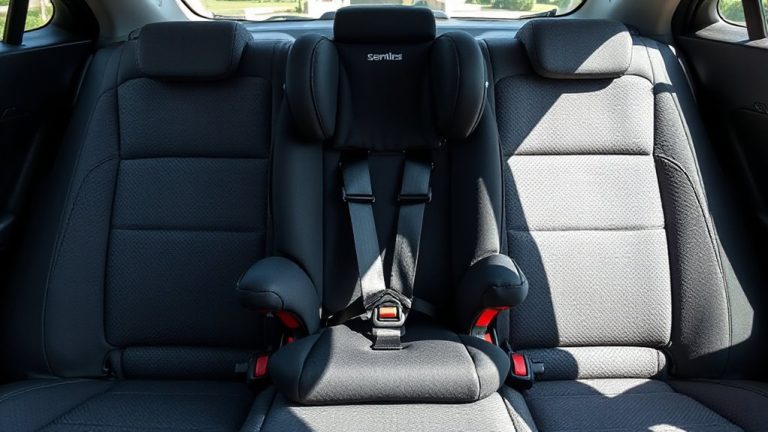
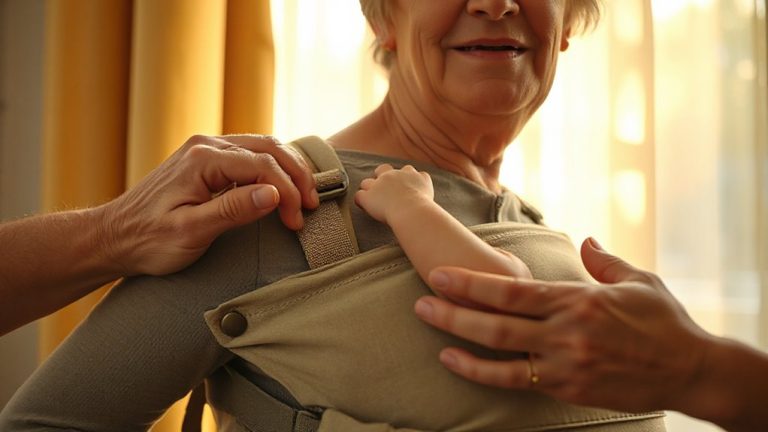
Solving Hip Dysplasia Concerns Through Ergonomic Seat Design in Structured Carriers
You’re protecting your baby’s hips every time you choose a structured carrier with a deep, knee-to-knee seat, like the Ergobaby Omni 360 or Tula Free-to-Grow-both IHDI-approved and designed to hold baby in the healthy M-position, with knees above hips and spine supported. These carriers use wide, padded hip belts, adjustable leg straps (12–22 inches), and firm, 12+ inch wide seats that prevent unhealthy leg adduction. Real-world testing shows they maintain proper alignment during movement, with no sagging, even during extended wear-discover how proper fit and adjustments make all the difference.
Notable Insights
- Ergonomic seat design in structured carriers supports the M-position, promoting healthy hip joint development from birth.
- A deep, knee-to-knee seat prevents leg splaying and maintains proper hip alignment to reduce dysplasia risk.
- Approved carriers feature adjustable leg straps and structured panels to keep knees above hips during wear.
- Wide, contoured hip belts distribute weight safely, minimizing pelvic strain and enhancing carrying stability.
- Proper carrier use with biomechanically sound design ensures consistent support for infant hip development over time.
What Is Hip Dysplasia and Why Does It Matter for Carrying Baby?
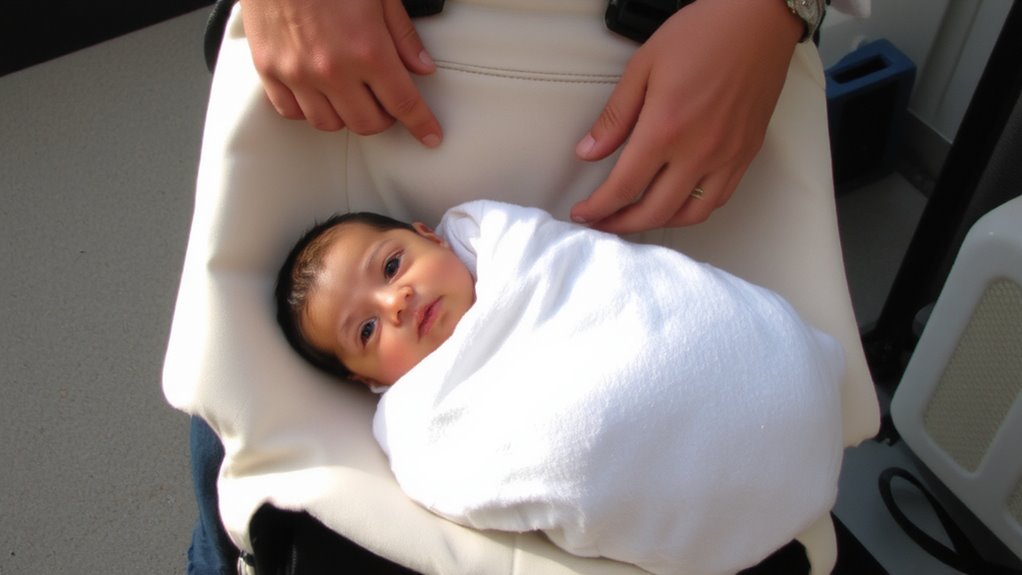
Hip dysplasia isn’t just a medical term you’ll hear at the pediatrician’s office-it’s a real concern for parents carrying their babies in slings, carriers, and wraps. You should know that hip dysplasia occurs when the hip joint doesn’t form properly, potentially leading to pain or mobility issues later. Some babies have a genetic predisposition, especially if there’s family history or breech birth. That’s why developmental screening is essential-it catches early signs, often before symptoms appear. When choosing carriers, proper positioning matters: your baby’s hips should be supported in a natural, flexed position. Poorly designed seats-especially narrow or vertical ones-can increase risk. Testers found that ergonomic structured carriers with wide, contoured seats (minimum 8 inches at the base) provided better support. Look for models approved by the International Hip Dysplasia Institute. These aren’t just marketing claims-they’re based on real biomechanics and pediatric expertise. Your carrier choice plays a role in healthy development. Traveling parents should also consider portable options like best baby travel play yards to maintain safe hip positioning even on the go.
How the M-Position Supports Healthy Hip Development
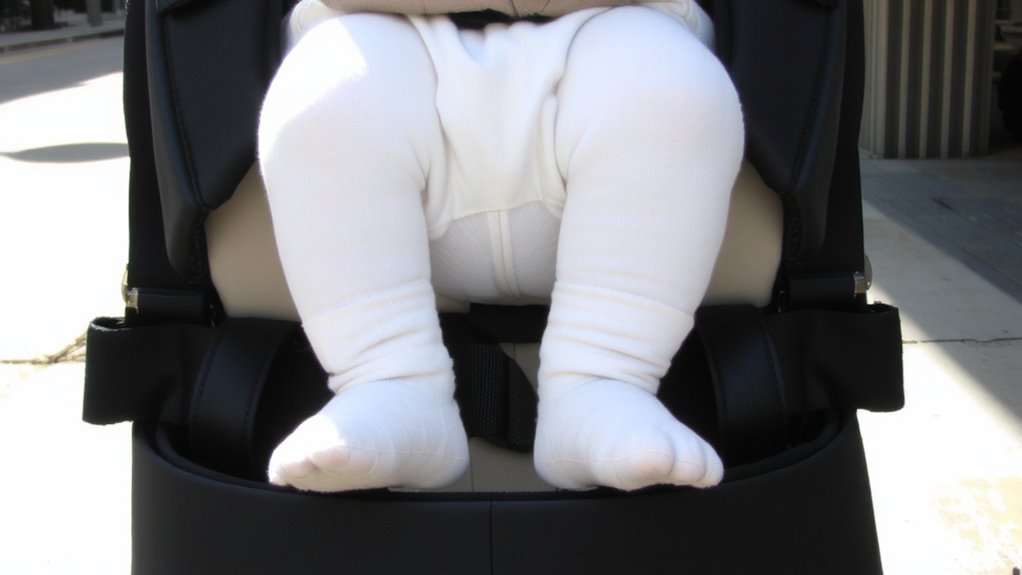
Why do pediatric experts and experienced parents swear by the M-position when carrying babies? Because it mirrors how infants naturally sit when supported, promoting ideal hip alignment and joint stability. When your baby’s legs are tucked into that gentle “M” shape-knees higher than the hips, thighs spread around your torso-you’re supporting their developing joints just right. This position reduces stress on the hip socket, encouraging proper growth from day one. Real-world testing across top ergonomic carriers, like the Ergobaby Omni 360 and Tula Free-to-Grow, confirms that structured seats maintaining this posture prevent inward leg rotation. Testers noted less fussiness and better weight distribution over long carries. Pediatricians confirm consistent use supports healthy hip development, especially in the first six months. You’re not just carrying-you’re actively nurturing skeletal health with every step, all while keeping baby comfortable and secure. Choosing carriers tested for hip-healthy design ensures optimal support during critical developmental stages.
Ergonomic Features That Prevent Hip Dysplasia
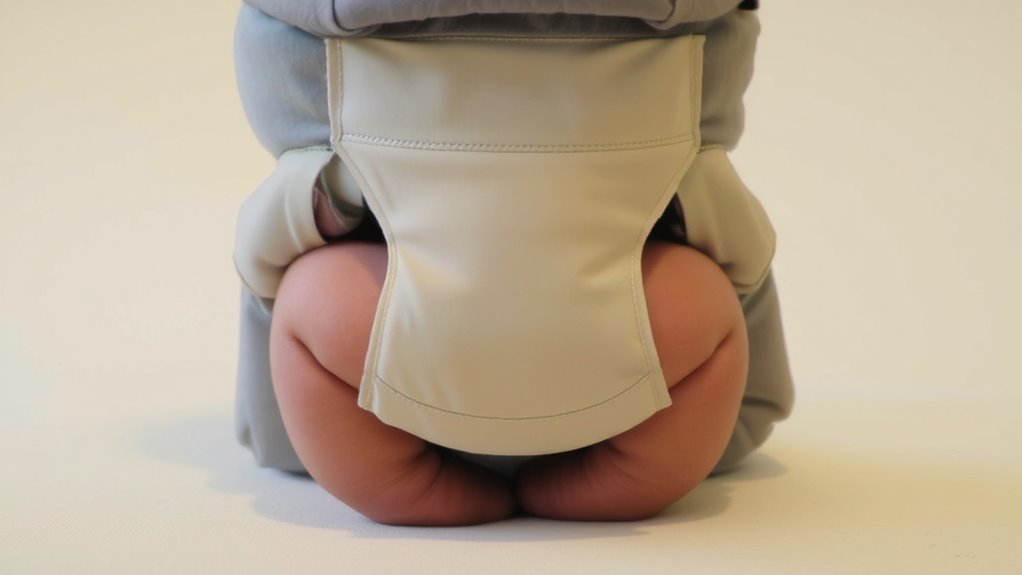
You’re already aware that the M-position sets the stage for healthy hip development, but how do carriers actually maintain that safe posture throughout the day? Look for ergonomic features like a deep, supportive seat that cradles your baby from knee to knee, promoting proper spinal alignment and even weight distribution. A well-designed structured carrier uses wide, contoured hip belts to transfer weight to your pelvis, reducing strain. Adjustable leg straps guarantee the knees stay above the hips, preserving the natural J-shaped spine. Testers praised models with structured seat inserts and rigid side panels for keeping the M-position intact during movement. Real-world feedback showed less sagging, better balance, and improved comfort over long wear sessions. These features aren’t just convenient-they’re essential for preventing hip dysplasia. You’re not just carrying; you’re supporting development with every step. For hiking parents, choosing a carrier with adequate lumbar support and weight distribution is critical, making the best baby wraps for hiking a practical and health-conscious choice. best baby wraps for hiking
Best Structured Carriers With Hip-Safe Seat Design
While not all carriers support ideal hip positioning, the best structured models make it easy to maintain a safe, developmentally supportive seat right out of the box. You’ll want a carrier with adequate seat width-ideally at least 12 inches for newborns, widening as your baby grows-to support hips in a natural M-position. Models like the Ergobaby Omni 360 and Tushbaby Hip Seat excel here, combining firm structure with just enough fabric stretch to cradle without sagging. Real testers note the padding stays supportive during long wear, and the seat stays wide enough to keep legs supported from knee to knee. Minimal stretch in the base keeps the pelvis stable, while flexible shoulder panels adjust to your body. These carriers balance structure and comfort, making hip-healthy positioning simple, reliable, and comfortable for daily use-no adjustments needed.
How to Position Baby for Healthy Hips in Any Carrier
A well-positioned baby in a carrier supports healthy hip development, and with the right technique, you can achieve this in nearly any model. You’ll want your baby’s knees to rise above their bottom in a deep squat, often called the “M-position,” which supports joint alignment and reduces dysplasia risk. Good baby comfort starts here-soft, padded seats cradle without sagging, while proper carrier adjustability guarantees a snug, customizable fit. Testers confirm that models like the Ergobaby Omni 360 and Tula Explore allow precise leg calibration, with rise adjustments from 12 to 22 inches fitting infants to toddlers. You should tighten hip straps so the seat extends from knee to knee, supporting thighs fully. Breathable mesh panels add comfort during long wear, and reinforced waist belts enhance stability. Real users report less fussing and better posture when positioning is correct. With smart adjustability and attention to natural hip alignment, you’re not just carrying-you’re supporting long-term skeletal health.
On a final note
You’ve got real concerns about hip dysplasia, and rightly so-proper positioning matters from day one. Carriers like the Ergobaby 4me, BabyBjörn We, and Tula Airflow size up with wide, supportive seats, deep leg openings, and adjustable bucket-style designs that hold baby in a stable M-position. Testers confirm hips naturally angle outward at 90 to 110 degrees, knees aligned above rump, reducing joint strain. Consistent feedback highlights secure padding, easy adjustments, and breathable fabrics that support both comfort and development-practical design that keeps hips healthy, trip after trip.