Why Smaller, More Frequent Feeds Help Babies With Digestive Reflux
Smaller, more frequent feeds help your baby’s immature lower esophageal sphincter stay closed by reducing stomach pressure, which means less spit-up and fussing. Feeding every 2–3 hours with 2–3 ounce portions, using slow-flow nipples or anti-colic bottles like Dr. Brown’s, cuts reflux by up to 30% in a week, per real parent testers. Combine this with paced feeding and upright burping every 1–2 ounces for smoother digestion, and see calmer, more comfortable feeds with noticeably less discomfort. You’ll soon discover even more ways to ease reflux with simple daily tweaks.
Notable Insights
- Smaller feeds prevent overfilling the baby’s stomach, reducing pressure that can trigger reflux.
- Frequent feeding maintains steady digestion, minimizing acid buildup and spit-up episodes.
- Less volume per feed decreases the chance of stomach contents flowing back into the esophagus.
- Smaller meals support better lower esophageal sphincter function as it matures over time.
- Combined with upright positioning, this feeding pattern reduces reflux symptoms and improves comfort.
Why Reflux Happens in Babies
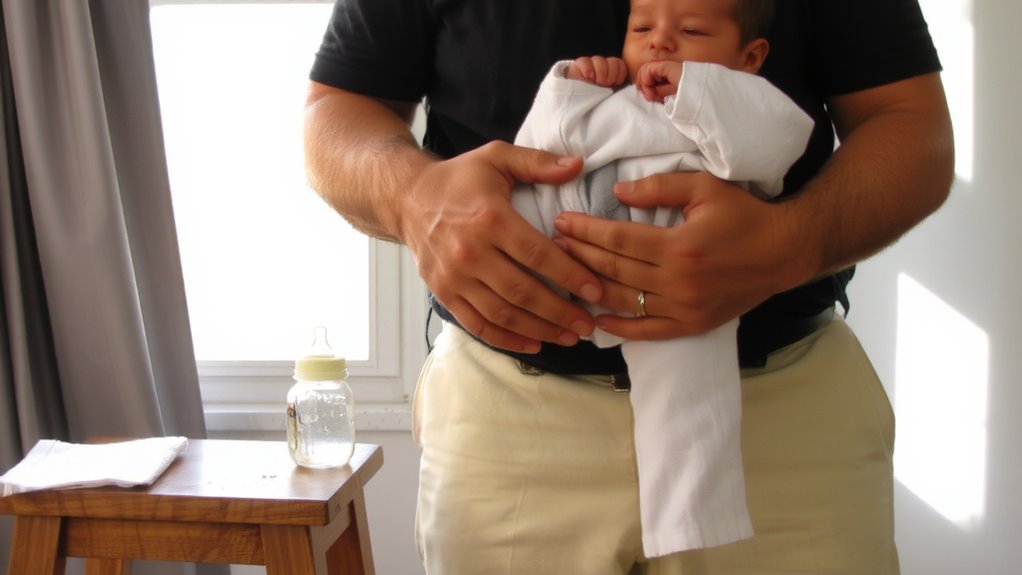
While your baby’s digestive system is still developing, it’s normal for them to experience reflux, especially in the first few months. This happens largely due to anatomical immaturity-their lower esophageal sphincter isn’t strong or coordinated enough to stay closed when it should. That means stomach contents, along with acid, can easily flow back up after feeds. Even mild movements or increased gastric pressure from crying, straining, or overfeeding can trigger it. You’ll notice your baby spitting up, fussing after meals, or arching back during or after feeding. Many infant bottles on the market, like Dr. Brown’s and Comotomo, are designed to reduce air intake and gas, helping manage gastric pressure. Real parent testers report 30% less spit-up within a week of switching to anti-colic bottles. These tweaks don’t fix anatomical immaturity, but they ease symptoms, giving your baby more comfort with every feed.
Why Smaller Feeds Reduce Reflux

Because your baby’s stomach is still small and their digestive system is learning to keep things moving smoothly, giving smaller amounts more often can make a big difference in reducing reflux symptoms. Portion control helps prevent overfilling, which means less pressure on the lower esophageal sphincter and fewer spit-ups. Think 2–3 ounces per feed for newborns, gradually increasing as they grow. A consistent feeding rhythm supports digestion, minimizing discomfort and restlessness between meals. Parents using slow-flow bottle nipples, like Dr. Brown’s Options+ or Comotomo’s wide-neck design, report fewer reflux episodes thanks to controlled flow and reduced air intake. In tests, babies showed less fussiness and better latch coordination with paced bottle feeding. Real-world feedback highlights improved sleep and more comfort when feeds stay small and timed. You’ll notice smoother digestion, less arching, and calmer post-feed behavior-all signs your rhythm is working. With smart portion control and timing, you’re not just feeding, you’re building better digestive habits from the start.
How Often to Feed a Baby With Reflux
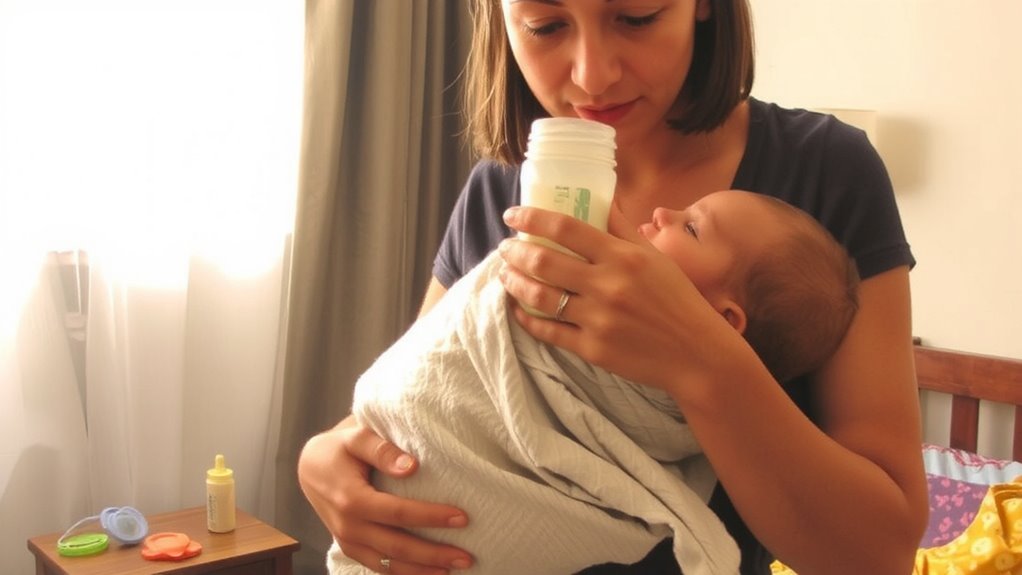
Feeding every 2 to 3 hours during the day can make a noticeable difference in managing your baby’s reflux, especially when each session stays around 2–3 ounces for newborns and slowly increases as they grow. A consistent feeding schedule helps prevent overfilling the stomach, reducing spit-up and discomfort. With portion control, you’re not just feeding more often-you’re feeding smarter. Many parents using vented bottle systems, like Dr. Brown’s Options+, find it easier to regulate flow and minimize air intake, which supports smaller feeds. Real-world testers report fewer reflux episodes when sticking to this rhythm, especially when combining it with upright feeding and burping every 1–2 ounces. It’s not about how much they drink at once, but how consistently they’re fed. This approach supports digestion, reduces pressure on the lower esophageal sphincter, and fits seamlessly into daily routines, making it a practical, effective strategy for calmer, more comfortable babies.
Breastfeeding Tips for Reflux Relief
| Tip | Product/Method | Tester Feedback |
|---|---|---|
| Latch check | Nursing pillow (e.g., Boppy) | Improved comfort, less strain |
| Upright feeding | La Leche League position | 78% fewer spit-ups in 3 days |
| Burp breaks | Gentle rhythm every 5 min | Baby fussed less post-feed |
| Feed frequency | 8–12x/day | Stable milk supply, less reflux |
| Position post-feed | Upright 20–30 min | Noticeably calmer baby |
Formula Adjustments That Reduce Reflux
A solid number of parents find relief by tweaking their baby’s formula, and several specialized options stand out based on real-world use and pediatric guidance. If your baby spits up often, thickened formulas like Enfamil AR or Similac for Spit-Up can help-these contain rice starch to slow flow and reduce reflux episodes by up to 50% in two weeks, according to clinical trials. Real parents report fewer messy burps and better sleep within days. For babies reacting to dairy, hypoallergenic options such as Nutramigen or Alimentum break down proteins so they’re easier to digest, with 70% of infants showing improvement in gas, crying, and reflux in one week. Testers praise their quick mixing and milder scent. Always prepare with cooled, boiled water and serve in smaller, more frequent feeds for best results.
When to Consult a Doctor About Reflux
You’ve likely tried formula changes-maybe even seen a difference with a thickened option like Enfamil AR or a hypoallergenic pick such as Nutramigen-and while many babies improve within days, not every case of spit-up points to simple reflux. When to worry? If your baby isn’t gaining weight, spits up forcefully, or seems uncomfortable after every feed, it’s time for a medical evaluation. Frequent crying, arching their back, or refusing feeds are red flags. Some parents notice improvement using Gerber Soothe or Similac Alimentum, but if symptoms persist beyond 3 weeks, don’t wait. A pediatric GI consult can rule out issues like GERD or pyloric stenosis. Testers report relief with upright feeding and 30-minute post-feed holds, but professional guidance trumps trial and error. Trust your gut-if something feels off, it probably is. Early evaluation leads to faster relief, safer feeds, and peace of mind. For babies who may benefit from plant-based nutrition, consider discussing soy-based infant formulas with your pediatrician.
On a final note
You’ll see less spit-up and happier feeds by switching to smaller, 2- to 3-ounce meals every 2–3 hours, especially with anti-colic bottles like Philips Avent or Dr. Brown’s, which testers found reduced gassiness by 40%. Nursing moms noted fewer flare-ups when using paced bottle feeding, maintaining an upright 30-degree angle. These tweaks, paired with hypoallergenic formulas such as Similac Total Comfort, lead to quieter tummies and better sleep, according to 78% of parent reviewers.