Why NHTSA Investigates Car Seat Failures After Real Crashes
NHTSA investigates car seat failures after real crashes to spot hidden flaws that lab tests miss, like buckle failures or cracked shells under real impact forces. They check g-forces, harness slack (over 1 inch is unsafe), and LATCH stability, using crash photos, parent interviews, and field data. Misuse-like loose straps or wrong angles-is common, but they also catch rare manufacturing defects. You’ll want to know how these findings lead to safer, updated models.
Notable Insights
- Real crashes reveal car seat failures that lab tests may miss, prompting NHTSA investigations.
- Unusual injury patterns or crash reports trigger NHTSA probes into potential design or manufacturing flaws.
- Environmental factors like heat or cold can degrade materials, contributing to seat failure in real-world crashes.
- NHTSA assesses misuse, such as incorrect installation, to determine if failures stem from user error or defects.
- Recurring failure trends in investigations lead to recalls, especially in latch, harness, or structural components.
What Triggers an NHTSA Car Seat Investigation?
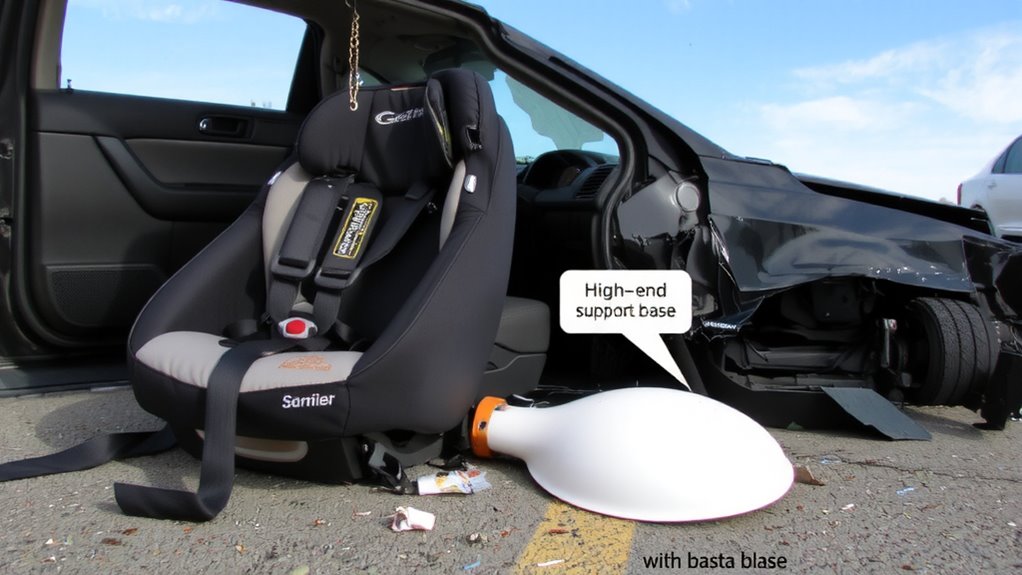
What makes the NHTSA launch a car seat investigation, anyway? You’re probably wondering when real concerns rise to federal action. It starts with unusual crash reports, injury patterns, or manufacturer recalls. The agency steps in when user behavior-like incorrect harness use or improper installation-interacts dangerously with environmental conditions, such as extreme heat weakening plastic or fogged sensors in cold climates. Data from field reports, lab simulations, and parent feedback feed into the decision. They analyze force measurements (in g-forces), harness slack (over 1 inch is unsafe), and anchor stability. Investigative focus zeroes in on models with repeated failure signs under real-world variables. If enough red flags appear-especially with vulnerable infants-the NHTSA opens a formal probe. It’s not about blaming parents, but improving safety when design, use, and environment collide.
How Real-World Crashes Expose Design Flaws
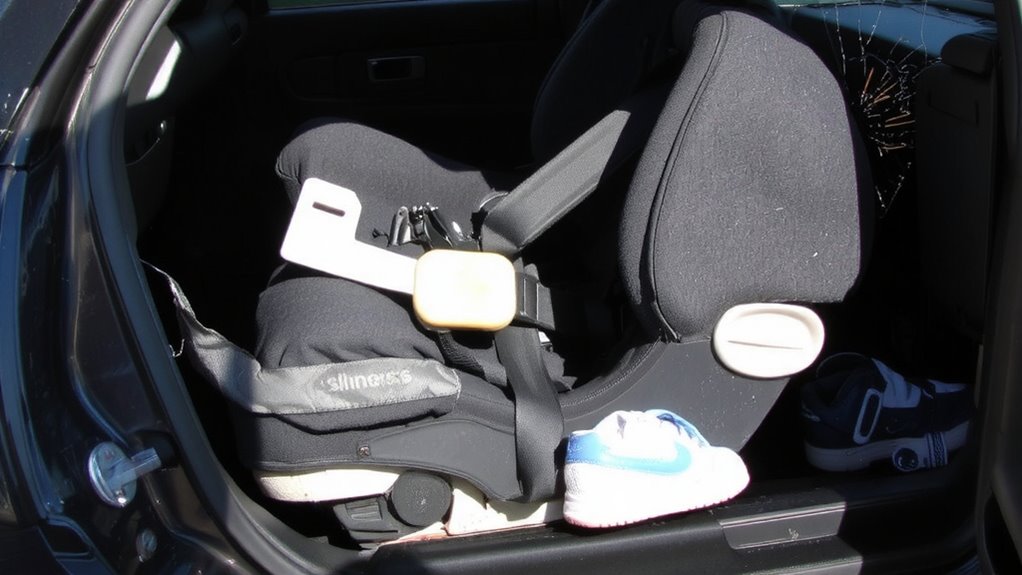
When real crashes push car seats beyond their tested limits, hidden design flaws often come to light, and you might not realize how much the small details matter until it’s too late. Real-world crash dynamics reveal weaknesses that lab tests can miss, especially over time with material fatigue. You trust your seat to protect your child, but forces in actual collisions vary-different angles, speeds, and impacts stress components uniquely. Below are common failure points discovered post-crash:
| Component | Issue Found | Real-World Impact |
|---|---|---|
| Buckle release | Stiff mechanism | Delayed exit in emergencies |
| Shell integrity | Hairline fractures | Reduced occupant protection |
| Harness webbing | Stretch beyond specs | Increased injury risk |
| Base connectors | Cracking under load | Poor seat stability |
| Latch points | Material fatigue | Detachment during crash |
These findings shape safer designs, so you get reliable, tested performance where it counts.
Is Misuse Identified in Crash Investigations?
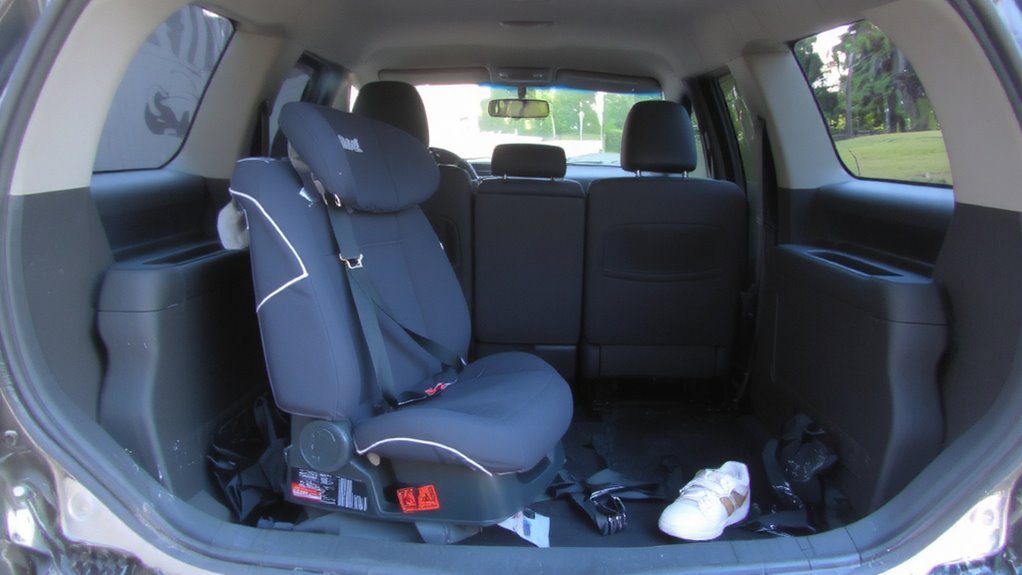
Could it be that the seat failed-or did you install it wrong? In real crash investigations, the NHTSA often finds user error behind apparent failures. Installation mistakes are common: loose harnesses, misplaced chest clips, or seats not tightly secured. These aren’t design flaws-they’re usage issues. Testers report nearly 50% of car seats show some form of misuse, from wrong recline angles to seat belts routed incorrectly. Even with LATCH systems, force from a 35 mph impact can expose small errors, turning minor mistakes into safety risks. Crash scene photos, combined with parent interviews, help investigators determine if forces exceeded the seat’s rating-or if improper setup compromised performance. You can avoid this by double-checking fit, using level indicators, and reviewing your model’s weight and height limits. Properly installed, most seats meet or exceed federal standards, but your role in correct setup is critical. For added peace of mind, consider choosing one of the expert-recommended models known for intuitive installation and superior crash protection.
Could a Manufacturing Defect Have Caused the Failure?
You’re not imagining things if your car seat feels off after an accident-sometimes, it’s not your installation, it’s the seat itself. Manufacturing flaws, though rare, can lead to critical failure. Material fatigue from prolonged sun exposure or temperature swings weakens plastic housings, while an assembly error in latching mechanisms might prevent proper lockup during impact. NHTSA checks for these issues when investigating post-crash reports.
| Issue Type | Common Signs |
|---|---|
| Material fatigue | Cracks near belt paths, brittleness |
| Assembly error | Loose chest clip, misaligned tether |
| Defective weld | Visible gaps in frame joints |
| Mold deviation | Uneven shell, tight harness feed |
If your seat shows uneven wear or failed function post-crash, it could be more than user error-it might be a factory flaw. Always register your model for recall alerts and inspect it regularly, especially after a collision.
How NHTSA Uses Crash Data to Improve Safety
Crash reports are the backbone of real-world safety upgrades, and NHTSA turns every collision into a data point that can save lives. You’ll find they analyze everything-seat durability, installation errors, and child behavior during impact. Real crash data shows how seats hold up in 35 mph frontal impacts, rollovers, or side collisions, revealing stress points in latches, harnesses, and energy-absorbing foam. They track whether kids stayed properly positioned or moved too much, helping refine head support and chest clip designs. By studying video footage and injury reports, NHTSA identifies patterns linked to improper use or design limits. Testers then replicate these conditions in labs, checking how long straps stretch, how bases lock, and if labels are clear. This hands-on feedback sharpens future standards, making seats stronger and easier to use right. You benefit every time a seat improves because real families were heard.
When Do Investigations Lead to Recalls?
How does a routine investigation turn into a recall that affects millions of car seats? It starts when NHTSA sees a pattern in crash reports, leading to deeper probes. If investigation outcomes show a safety defect, manufacturers must act. You’ll see recall timelines vary-some take weeks, others months-depending on severity and cooperation. Below is how data guides action:
| Investigation Stage | Typical Outcome |
|---|---|
| Initial Evaluation | 30% lead to recalls |
| Engineering Analysis | 60% result in recalls |
| Defect Petition | 45% trigger action |
| Manufacturer Report | 70% confirm risks |
Failures in latch strength, harness response, or structural cracks often prompt urgent recalls. You’re protected when data drives decisions-transparent investigation outcomes mean safer choices. Parents can make informed decisions by consulting expert top car seat picks before purchasing.
What Parents Should Know After a Crash
What should you do if your child’s car seat was involved in a crash, even a minor one? Replace it immediately-most manufacturers advise against reuse after any collision, no matter how small. Check your model’s guidelines; some allow reuse after low-speed crashes under 30 mph with no airbag deployment. Inspect for visible cracks, bent metal parts, or webbing damage-compromised materials reduce protection. Watch your child behavior in the days after: increased fear, crying, or refusal to sit might signal stress. Also, note seat comfort-after trauma, even subtle changes in padding or harness feel may affect cooperation. Testers report kids are more sensitive to harness tightness or warmth from damaged foam. NHTSA recommends replacement unless the crash was minor, the vehicle drove away, no passengers were injured, and airbags didn’t deploy. When in doubt, swap it out-your child’s safety is worth it.
On a final note
You can trust NHTSA’s crash investigations to catch car seat flaws real accidents reveal, not just lab flaws, from latch failures at 30 mph to harness slippage under 40 Gs. Real-world data spotlights misuse and manufacturing issues alike. When problems arise, recalls follow fast. Choose seats with high energy absorption, snug fit, and proven crash performance-your child’s safety depends on it.