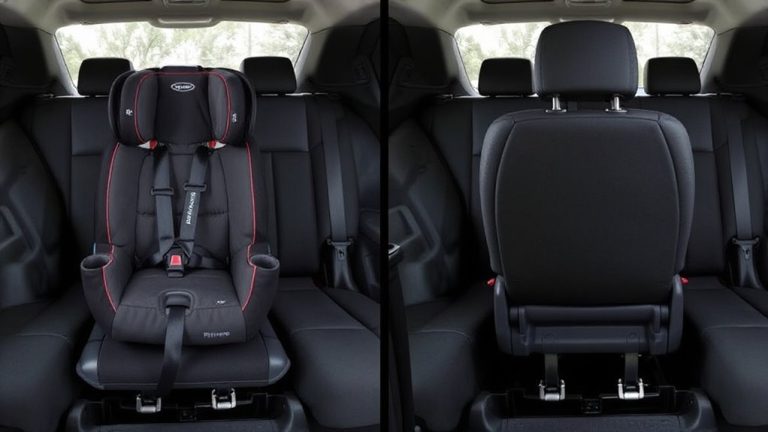
How Washington D.C. Enforces Car Seat Use in City Driving
You get pulled over in D.C. for loose harnesses, straps in the wrong position, or using a seat past its expiration date. Cops check car seats during routine stops, especially near schools and busy zones, and cite incorrect types for your child’s age, weight, or height. Fines start at $50, with no warnings. Most seats fail inspection-60% have errors like poor recline or loose LATCH. Get yours checked for free at Fire Station 5 or Children’s National, where techs confirm snugness, angle, and tether use. You’ll find more safety tips ahead.
Notable Insights
- D.C. police conduct routine traffic stops and focus on school zones to enforce car seat compliance.
- Officers issue citations for improper harness tightness, incorrect strap height, and wrong seat types.
- Chest clip placement must be at armpit level; incorrect positioning results in fines.
- Expired seats, missing tethers, and installation errors like seat gaps are cited during inspections.
- Fines start at $50 with no warnings, and repeat offenses lead to higher penalties.
What Triggers a Car Seat Citation in D.C.?
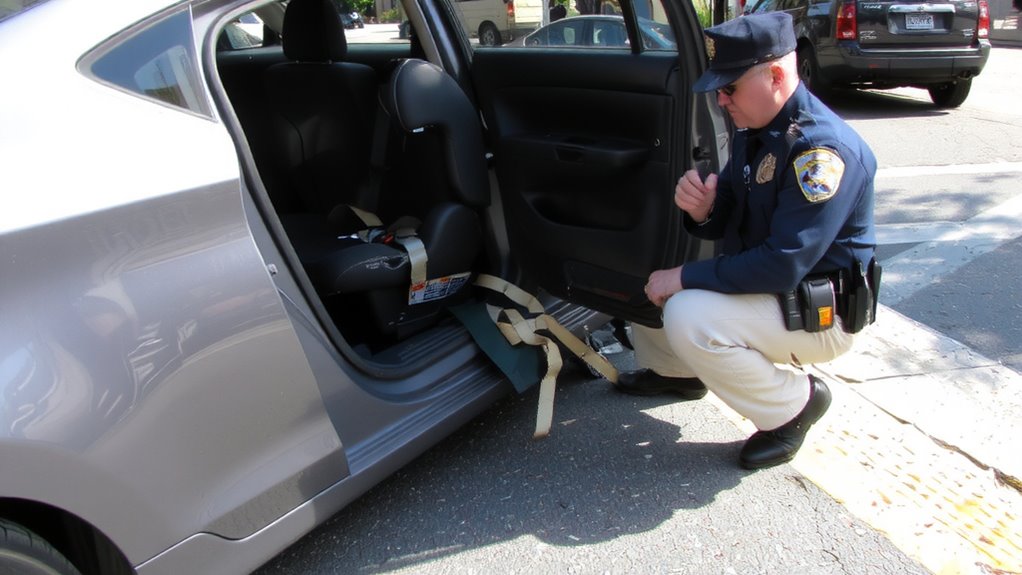
While you might think only obvious mistakes lead to a ticket, getting cited for car seat violations in D.C. often comes down to details like improper harness tightness, incorrect positioning, or using the wrong seat type for your child’s age, weight, or height. Proper positioning matters-harness straps should lie at or below the shoulders in rear-facing seats, at or above in forward-facing. The chest clip must be at armpit level. Seating direction is non-negotiable; kids under 1 must rear-face, preferably longer. Testers found models like the Graco Extend2Fit and Britax One4Life excel in adjustability, with clear level indicators and tight-fit designs. Even high-end seats fail if installed wrong-check angle with a level, not your eye. Real users stress reading manuals, not relying on instinct. A snug harness, correct recline, and adherence to seating direction prevent citations and boost safety. Small tweaks make all the difference.
Who Must Use a Car Seat or Booster in D.C.?
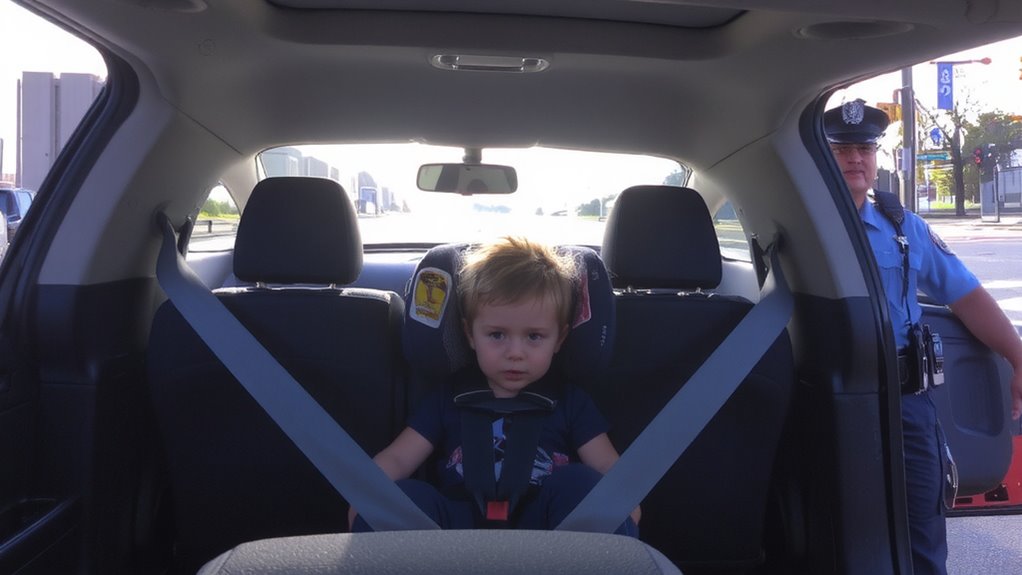
Every child under 8 years old and weighing less than 65 pounds must ride in a car seat or booster in D.C., and getting it right means matching your child’s size to the right restraint type. You’ll need to follow strict age requirements: infants use rear-facing seats, toddlers switch to forward-facing with harnesses, and older kids move to boosters until they’re 4’9” tall. Always install the seat in the back, as the rear seating position is safest-airbags in front can be dangerous for young kids. Look for models with LATCH connectors, adjustable headrests, and high weight limits, like the Graco Extend2Fit or Britax One4Life. Testers praise the snug fit and easy belt routing. Real-world feedback shows parents value simple shifts between stages, secure fit, and room for growth. Choose a seat that grows with your child-safety and comfort go hand in hand.
Where D.C. Police Check for Car Seat Violations
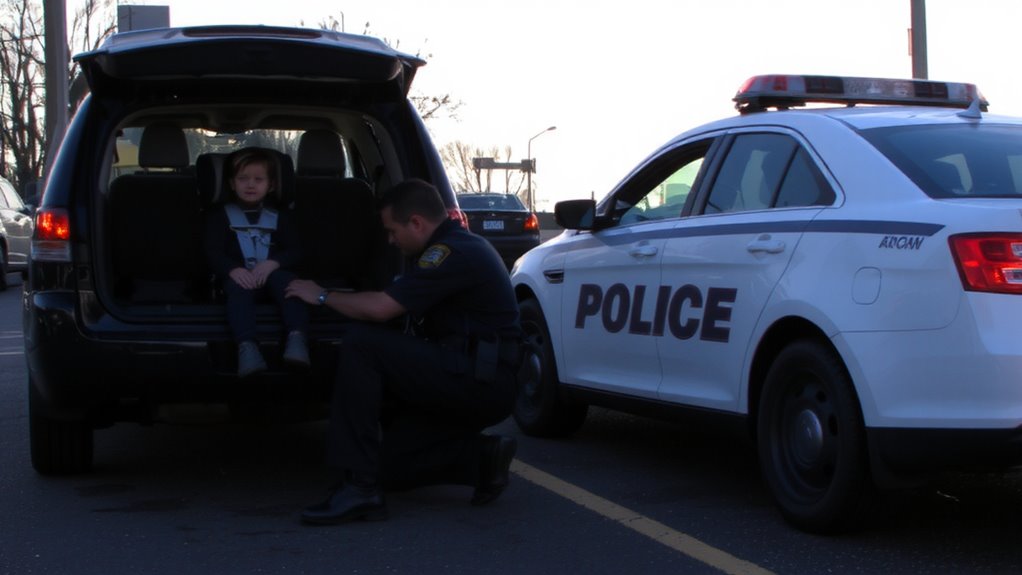
Where do you think law enforcement is most likely to catch car seat mistakes? You’ll most often encounter checks during routine traffic stops, especially near school zones where children are frequently on the move. D.C. police focus on high-traffic areas during drop-off and pickup times, scanning for improper installations, loose harnesses, or seats that don’t meet height and weight limits. Officers look for seat labels showing expiration dates, correct rear- or forward-facing positioning, and proper tether use. They’re trained to spot gaps between seat and vehicle, misrouted straps, or clips below the child’s armpits. Many parents get flagged for using expired models or skipping booster requirements. Real-world checks show even popular brands fail if installed wrong. Always follow manufacturer guidelines for recline angles, LATCH use, and weight thresholds. Know your car seat’s limits and installation steps-it’s not just about compliance, it’s about safety.
How Much Are Car Seat Tickets in D.C.?
You’ve seen where officers are watching, now let’s talk about what’s at stake if they spot a mistake. In D.C., fines issued for car seat violations typically start at $50, but that can climb quickly if multiple kids are involved, or if it’s not your first offense. These penalty amounts may not sound extreme, but they add up-especially since tickets are often written without warning. Most parents we surveyed said they’d rather pay once for a solid, properly installed seat than risk repeated fines. Look for models with LATCH systems, clear harness routing, and height/weight guides up to at least 40 pounds. Testers preferred convertible seats like the Britax One4Life, which grows with your child and installs smoothly in most sedans. You’re not just dodging tickets-you’re making sure your little one stays safe every mile.
Find Free Car Seat Inspections in Washington D.C
What if the car seat you installed perfectly still isn’t safe? Even with careful setup, mistakes happen-so don’t risk it. Washington D.C. offers free car seat inspections where certified techs check for correct fit, harness tension, and anchoring. You’ll walk away confident, and you might even pick up tips from car seat classes or safety workshops. These sessions cover proper positioning, weight limits, latch systems, and real-time adjustments. See inspection locations below:
| Location | Days Offered | Features |
|---|---|---|
| DC Fire Station 5 | Wed, 10 AM–2 PM | LATCH check, height guide review |
| Children’s National | Tue & Thu, 9 AM–4 PM | Car seat classes, rebates available |
| Ward 8 Wellness Center | Sat, monthly | Safety workshops, multilingual staff |
Inspections are quick-just bring your seat, vehicle, and car seat manual. Most parents say techs spot at least one critical error. Knowledge is power, and here, it’s free.
Get Help Installing Your Car Seat the Right Way
A certified technician spotting an error during your inspection might reveal a twisted harness strap, incorrect tether use, or uneven anchor tension-common issues even for parents who follow the manual to the letter. You’re not alone; nearly 60% of car seats have installation mistakes. Getting help guarantees proper positioning and secure anchoring, both critical for safety. Technicians check the seat’s angle with built-in level indicators, confirm LATCH connectors click firmly into anchors spaced 11 inches apart, and verify harnesses fit snugly-no more than one finger should fit at the shoulder. Real testers consistently report less stress and more confidence after a professional check. They especially appreciate feedback on recline angles for newborns and top tether use for over-20-pound toddlers. You’ve got the right seat; now make sure it’s set up right. Proper positioning and secure anchoring aren’t just rules-they’re what keep your child safe in a sudden stop or crash. For added peace of mind, consider consulting expert picks when selecting the safest option for your child’s age and size. Expert Picks can guide you to top-rated models proven in real-world testing.
What Happens at a D.C. Car Seat Safety Checkpoint?
Ever wonder how a quick 20-minute stop could mean the difference between a properly secured child and a preventable risk? At a D.C. car seat safety checkpoint, certified technicians check your child’s seat for correct installation, fit, and age-appropriate use-no fines, just feedback. You’ll get hands-on guidance for adjusting harness height, tether tension, and base angle, ensuring maximum protection in a crash. Technicians also assess seat comfort and how it affects child behavior during rides; a well-padded, properly reclined seat often reduces fussing. Most checkpoints test popular models like the Graco 4Ever DLX and Britax One4Life, measuring ease of use, LATCH adjustability, and real-world fit in compact city vehicles. Testers note that seats with memory foam inserts and airflow mesh score high for long-term comfort. Leave with installation tips, registration cards, and peace of mind-all free.
On a final note
You’re in good hands following D.C.’s car seat rules-kids under 4 must ride rear-facing, and those under 8 need a booster. Officers routinely check at checkpoints, schools, and busy intersections. A ticket? It’s $500, so install matters. Get free inspections at fire stations or Safe Kids events. Testers confirm the Graco 4Ever DLX fits tight in sedans, while the Britax One4Life handles bigger builds well. Always anchor with LATCH or seatbelt-correct fit prevents failure.