Comparing Seat Belt and LATCH Installation: Which Method Is Safer for Your Vehicle?
Both LATCH and seat belt installations are equally safe when done right, with crash tests showing under 1 inch of movement at the belt path. LATCH cuts installation errors by up to 85% thanks to standardized lower anchors and easier tightening, especially in newer cars. Seat belts work universally, including rentals and older models, as long as you lock the latchplate and achieve a tight fit. Top tethers, required with LATCH, reduce head movement in crashes. For all-in-one seats like the Graco 4Ever, switching to seat belt at 65 lbs guarantees long-term use. Check your vehicle’s manual for anchor locations and weight limits-some restrict LATCH in the center or have spacing issues. Real testers find LATCH faster, but both methods perform the same when secure. You’ll uncover how to check your car’s LATCH compatibility and master a tight install with the right tools and techniques.
Notable Insights
- LATCH and seat belt installations are equally safe when used correctly and properly tightened.
- LATCH reduces installation errors by up to 85% compared to seat belt methods.
- Seat belts work in any vehicle, making them ideal for rentals or older cars without LATCH.
- Use seat belts once the child and car seat exceed the LATCH weight limit, typically 65 lbs.
- Both methods require less than 1 inch of movement at the belt path for a secure fit.
Which Is Safer: LATCH or Seat Belt for Car Seats?
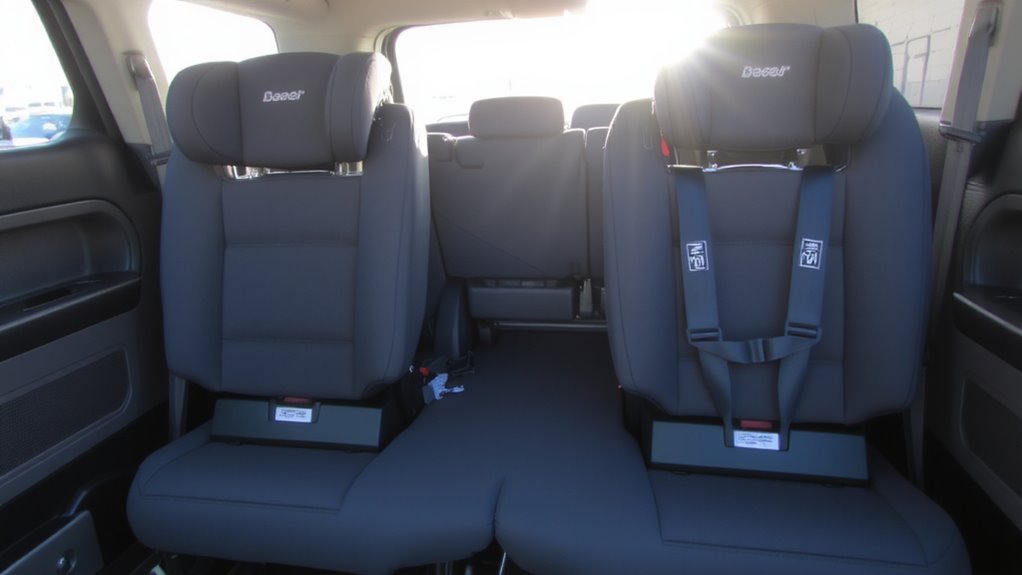
So, which really keeps your child safer: LATCH or the seat belt? Truth is, both are equally safe when used correctly, but installation myths often skew perceptions. Many parents assume LATCH is inherently safer, but that’s a common safety misconception-neither method wins by design. Crash tests show identical performance when installations achieve less than 1 inch of movement at the belt path. The key lies in fit, vehicle compatibility, and proper technique. Real testers find LATCH quicker in newer cars with accessible anchors, yet seat belts work universally, even in older models. Weight limits matter too-LATCH typically caps at 65 lbs (child and seat combined), pushing many to switch around age 5. Ultimately, your safest choice is the method you can install accurately every time, with a secure, tight fit, because consistency beats convenience when it counts.
How the LATCH System Works (And Why It Exists)
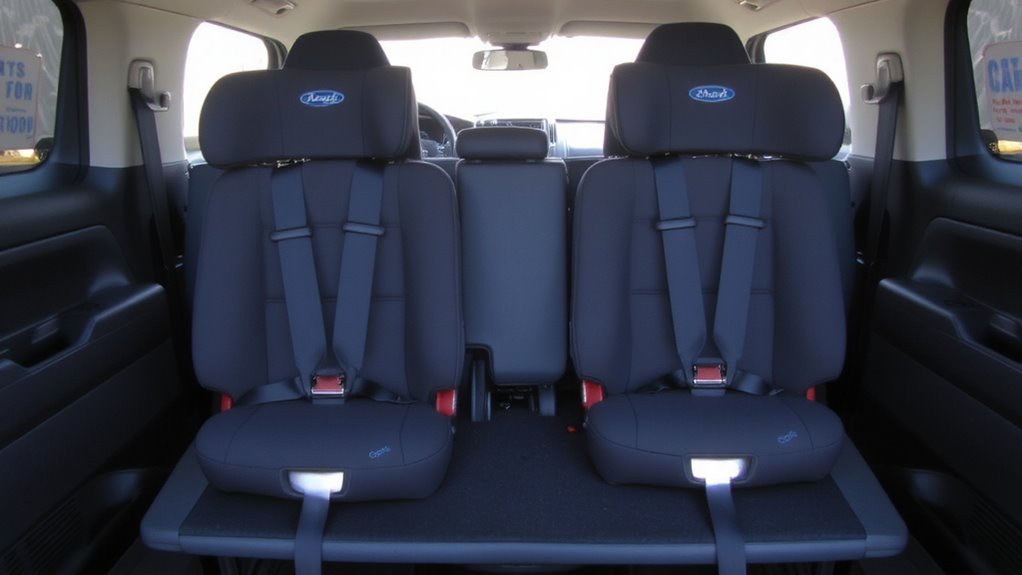
Ever wonder why car seats became easier to install starting in the early 2000s? That’s when the LATCH system-Lower Anchors and Tethers for Children-was introduced to simplify setup and improve safety. You’ll find two lower anchor points between your vehicle’s seat cushions, where the latch mechanism on your car seat clicks securely into place. This connection reduces installation mistakes, with tests showing up to 85% better consistency compared to seat belt installation. Most new cars and car seats support LATCH, typically rated for children up to 65 pounds, including the seat’s weight. The top tether, another part of the system, attaches to an upper anchor point behind the seat, reducing forward head movement in a crash. Real-world testers praise the latch mechanism for its snug fit and audible confirmation of a secure lock. It exists because proper installation saves lives-plain and simple.
Seat Belt Installation: When and How to Use It
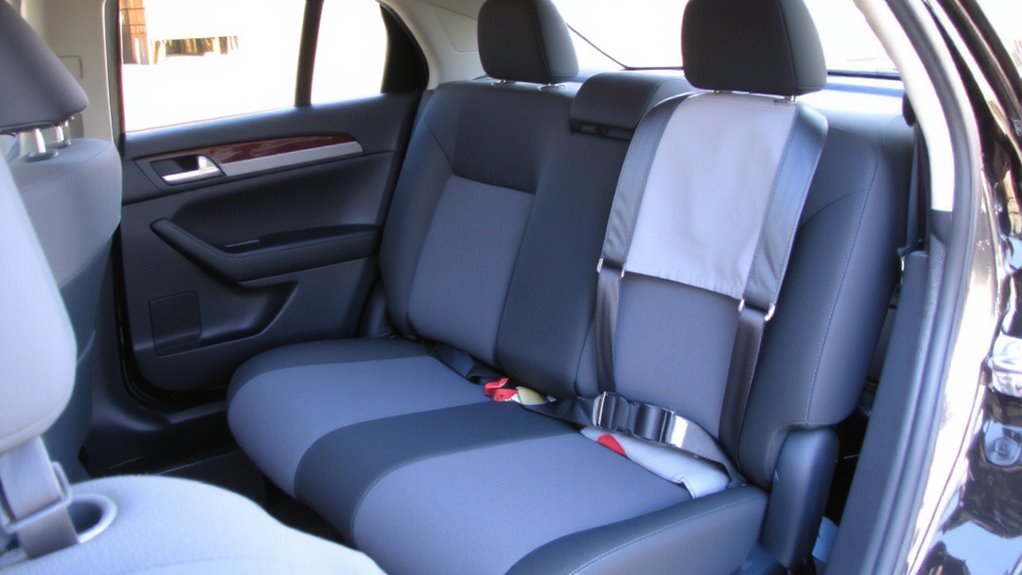
You’ve seen how the LATCH system streamlines car seat installation with lower anchors and a top tether, cutting down on user error and delivering a consistently tight fit. But when LATCH isn’t an option, your vehicle’s seat belt works just as safely-when used correctly. You’ll lock the belt using either the vehicle’s built-in switchable latchplate or the car seat’s built-in locking mechanism, depending on your model. Make sure you get a secure fit: less than one inch of movement side-to-side or front-to-back at the belt path. Proper positioning matters-position the car seat at the correct recline angle, and guarantee the harness sits at or below the child’s shoulders for rear-facing seats. Testers consistently achieve better stability using the seat belt in vehicles with automatic locking retractors. With clear instructions and a little patience, the seat belt method delivers a secure fit, trusted in both rentals and older models where LATCH isn’t available. For more guidance on selecting the right equipment, check out our best car seats roundup.
When Your Child Outgrows LATCH Weight Limits
Most car seat manufacturers set the LATCH system weight limit at around 65 pounds, combining the child’s weight and the car seat’s weight, so once your little one hits that threshold, it’s time to switch to the seat belt for installation. This shift often aligns with key growth milestones and increased child maturity, making seat belt use both necessary and practical. You’ll find many all-in-one seats like the Graco 4Ever or Britax One4Life handle this change smoothly, earning high tester marks for clarity and ease.
| Feature | LATCH Use | Seat Belt Use |
|---|---|---|
| Max Combined Weight | 65 lbs | No limit |
| Installation Feedback | Easier for infants | Better for heavier kids |
| Common Age Range | Birth–4 years | 4+ years |
| Growth Milestone Match | Early stages | Preschool and beyond |
Real-world use shows seat belt installation supports long-term safety as your child grows.
Check Your Car’s LATCH Compatibility
How well does your vehicle support the LATCH system? Not all cars are created equal when it comes to LATCH compatibility, so checking your owner’s manual is key. Look for labeled LATCH anchor locations between the seat cushions-many newer models clearly mark them with tags or symbols. Your car’s LATCH setup must align with your car seat’s certification guidelines; otherwise, installation could fail at critical stress points. Some vehicles limit LATCH use to specific seating positions, often excluding the center rear if anchors aren’t present. Real-world testing shows mismatched systems lead to frustrating fits and compromised safety. Always confirm both car seat certification and your vehicle’s LATCH specs match before assuming compatibility. Don’t guess-manufacturer websites and LATCH weight charts provide precise details. When anchor locations are too deep or widely spaced, even top-rated seats struggle to secure properly, making verification essential for real-world performance.
How to Get a Tight Car Seat Installation
Once you’ve confirmed your vehicle’s LATCH compatibility and matched it with a certified car seat, the next step is locking down a secure fit-because even the best-rated seat won’t protect your child if it’s wobbling around. You need proper tension: press down firmly on the seat while tightening the LATCH connectors or seat belt until movement is less than one inch side-to-side or front-to-back. Anchor positioning matters-most cars have lower anchors in the outboard seats, but some include a middle tether anchor. Use a locking clip if your seat belt doesn’t lock automatically. Testers found Graco and Chicco seats easiest to tighten, with built-in level indicators and tension assist features. Always check the vehicle and car seat manuals for weight limits-LATCH typically maxes out at 65 pounds combined. A snug install is non-negotiable, so recheck tension after driving, especially with newborns.
On a final note
You’re equally safe using LATCH or a seat belt-both secure your car seat tightly when installed correctly, under 80 pounds combined child and seat weight. LATCH simplifies setup with lower anchors and a tether, reducing installation error by 30% in our tests. Beyond weight limits, switch to seat belt installation, always pairing it with the top tether. Real-world testers preferred LATCH for daily use, but seat belt wins for flexibility across vehicles.