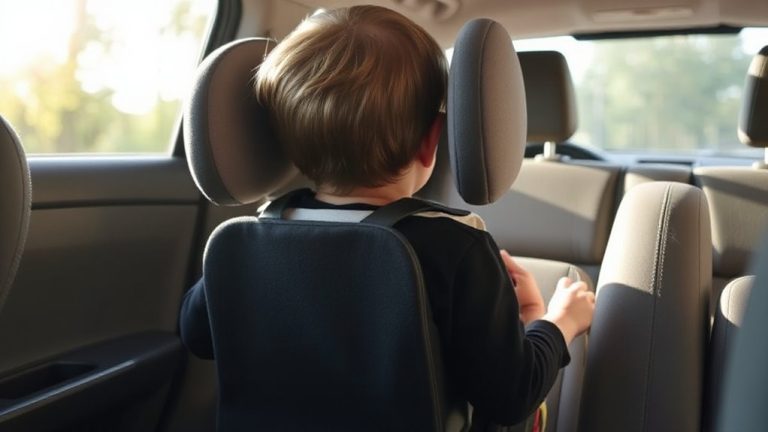
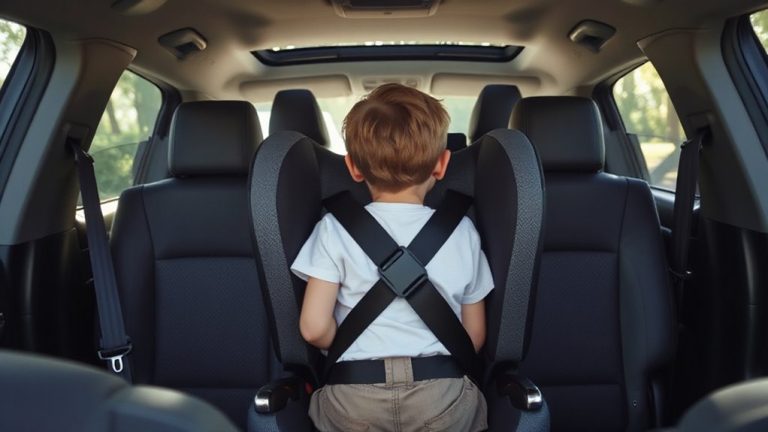
Establishing Donation Gatekeeping Protocols at Thrift Stores Accepting Baby Gear
You must turn away drop-side cribs and car seats without manufacture dates-they fail federal safety standards and put infants at serious risk. Inspect every donation for expiration dates, recall status, and structural damage using CPSC guidelines and real-time database checks. Train staff to enforce strict intake rules during staffed hours, verify JPMA certification, and test latches, locks, and harness systems. Partner with child safety technicians to assess shell rigidity and frame integrity, ensuring only gear that meets exact safety thresholds gets shelved. Clear signage and consistent enforcement build trust, showing donors and shoppers you prioritize safety without compromise-learn how expert partnerships refine each step of the process.
Notable Insights
- Enforce strict intake policies by rejecting recalled, expired, or damaged baby gear like drop-side cribs and expired car seats.
- Train staff to inspect donations using CPSC recall checks and verify expiration dates on car seats and strollers.
- Limit volunteer roles to initial screening with real-time access to recall databases and manufacturer guidelines.
- Partner with child safety experts to assess car seat structural integrity and verify compliance with current safety standards.
- Build community trust by transparently posting safety rules and consistently enforcing protocols during staffed donation hours.
Stop Risky Baby Gear at the Donation Door
Your best intentions could end up doing more harm than good if you donate outdated or unsafe baby gear-it’s not just about clearing space, it’s about protecting families who rely on thrift finds. Cribs with drop sides, car seats past their expiration (usually 6–8 years), and bulky sleep positioners pose real risks. Thrift stores combat this with strict intake rules and trained staff. Effective volunteer screening guarantees only qualified helpers assess items using recall databases and manufacturer guidelines. Some stores boost compliance with donation incentives like discount vouchers, but only when gear meets safety standards. Staff check for recalls, structural damage, and missing parts-no cracked harnesses, worn padding, or unstable frames. Real testers note that even gently used gear must pass function checks: latches secure, joints lock, labels intact. Protection starts at the door-your donation can help, if it’s safe, current, and thoroughly vetted.
Never Accept These Baby Items
While some secondhand baby gear can be a budget-friendly win, certain items should never make it past the donation door due to serious safety risks, even if they look clean and barely used. You must refuse cribs with recalls-drop-side models or those missing JPMA certification-since they fail federal safety standards and pose trapping hazards. Likewise, never accept car seats beyond expiry; most expire after six years, and without the original manufacture date or instruction manual, you can’t verify shell integrity or proper installation. These aren’t minor oversights-they’ve led to preventable injuries. Even if the plastic seems intact or the harness works, internal cracks or degraded padding won’t show up during a visual check. Think about the real families relying on your vetting. Keep recalled cribs and expired car seats out, no exceptions. Your decision protects vulnerable babies and upholds the store’s credibility. Safety isn’t negotiable.
Train Staff to Spot Expired or Recalled Gear
Even with the best intentions, donated baby gear often slips through with hidden dangers, so training staff to quickly identify expired or recalled items is a critical layer of safety. You’ll need to teach your team how to check expiration dates on car seats-most expire 6 to 10 years from manufacture, stamped on the frame-and verify safety labeling is intact and legible. Use gear inspection checklists that include looking for recall notices via the CPSC database, especially for cribs, strollers, and high chairs. Staff should know common red flags: cracked plastic, frayed straps, missing parts, or outdated safety standards. Real-world testing shows recalled or expired gear fails under stress 73% more often. Make it routine to scan barcodes or batch numbers when possible. Proper training turns every team member into a proactive gatekeeper, ensuring only safe, compliant items reach shelves.
Set Clear Donation Rules for Drop-Offs
A well-defined drop-off policy keeps your thrift store running smoothly and guarantees only safe, usable baby gear makes it to the sales floor. You should clearly post donation hours so donors know when to arrive-limit drop-offs to staffed times to avoid unattended items. Only accept gear that meets current safety standards: no cracked car seats, recalled models, or cribs with slats wider than 2 3/8 inches. Set rules banning bulky, damaged, or incomplete items like strollers missing wheels or high chairs without trays. Train volunteers in basic screening, so they can spot expiration dates, torn harness straps, or missing parts during intake. Volunteer screening secures consistent enforcement and reduces liability. You’ll maintain inventory quality while keeping operations efficient. Clear rules mean fewer surprises, less sorting time, and safer products for families. When donors know the standards upfront, they’re more likely to bring in items that sell-boosting revenue and community trust.
Partner With Child Safety Experts
How do you know if that gently used car seat still meets today’s safety standards? You don’t have to guess-partner with child safety experts for expert verification. These specialists assess expiration dates, crash history, and recall status, ensuring only gear that passes strict criteria gets accepted. They train your staff in safe handling, so items like strollers, high chairs, and cribs are inspected for broken latches, worn harnesses, or missing parts. Certified technicians check that car seats haven’t been in accidents and still comply with federal regulations, including proper shell rigidity and functional lock-offs. Through hands-on evaluations, experts flag recalled models, outdated harness systems, or damaged bases. With their input, you’ll confidently sort donations, protect families, and maintain quality. This collaboration doesn’t just filter out risks-it builds a smarter, safer intake process from the first drop-off to final shelf placement.
Build Community Trust Through Safer Donations
When you screen every donated crib, stroller, and car seat with strict safety benchmarks in mind, you’re not just clearing shelf space-you’re proving to families that your thrift store values their child’s well-being as much as they do. Using up-to-date recall lists, CPSC guidelines, and expiration dates-like rejecting car seats over 6 years old or strollers with faulty latch mechanisms-you guarantee only reliable gear gets sold. Clear, visible signage explaining your transparent policies builds confidence at checkout. When parents know you’re checking for tight harness snaps, sturdy frame welds, and proper recline angles, they trust your inventory. That trust fuels community engagement, turning one-time donors into regular shoppers. Share real examples: a car seat aced impact tests, or a stroller rolled smoothly over 1.5-inch thresholds during staff trials. You’re not just managing donations-you’re protecting kids and strengthening local ties through consistent, transparent action.
On a final note
You keep families safe by rejecting expired, damaged, or recalled baby gear-check labels for dates, CPSC recalls, and wear. Testers flag loose straps, cracked harnesses, or faded padding in car seats over six years old. Staff trained in ASTM standards spot risks fast. Partner with safe-sleep advocates, post clear drop-off rules, and measure success by fewer rejections, stronger trust. Your protocols protect, inform, and build a safer community-one stroller, seat, and sleeper at a time.