A Comprehensive Guide to Understanding and Supporting Children Diagnosed With Congenital Heart Defects
You’re not alone-nearly 1 in 100 babies is born with a congenital heart defect, often detected by 22 weeks via fetal echocardiogram or after birth with a pulse ox test. Critical cases are caught in over 85% of hospitals using screening. Treatments range from catheter procedures to open-heart surgery, with meds dosed in mg/kg. Use a Masimo MightySat (accurate to ±2% SpO₂) or Owlet Smart Socks for home monitoring, plus smart bottles and Hatch Baby Grow for feeding and weight tracking-tools that give real-time insight, so you can stay ahead with confidence.
Notable Insights
- Congenital heart defects affect nearly 1 in 100 U.S. births and often stem from genetic or maternal health factors.
- Most CHDs are detected via prenatal ultrasound or fetal echocardiogram, with pulse oximetry screening after birth.
- Treatments range from minimally invasive catheter procedures to open-heart surgery, guided by pediatric cardiologists.
- Daily management includes precise medication dosing, high-calorie feeding tools, and home oxygen monitoring devices.
- Emotional and social support through mood tracking, sensory aids, and heart defect support groups enhances well-being.
What Are Congenital Heart Defects?
Think of congenital heart defects (CHDs) as structural differences in the heart that are present at birth, affecting nearly 1 in 100 babies in the U.S. each year. You’ll want to understand that genetic causes play a key role, with inherited conditions like Down syndrome increasing risk. Poor maternal health-especially uncontrolled diabetes or infections during pregnancy-also raises the odds. These factors can disrupt normal heart development before week 10. While you can’t prevent all CHDs, knowing your family history and managing health before conception helps. Prenatal vitamins with folic acid (800 mcg daily) are recommended. Testers using fetal Dopplers report clearer early monitoring, but they don’t detect structural issues. Always pair tracking with regular ultrasounds. Real moms note accuracy drops after 12 weeks without proper gel and slow sweeps. For peace of mind, choose FDA-cleared devices with 2 MHz probes and auto-shutdown safety. Early awareness means earlier support.
When and How CHDs Are Diagnosed
When can you actually spot a heart defect in your baby? Often, congenital heart defects (CHDs) show up during routine prenatal screening, like a mid-pregnancy anatomy ultrasound at 18–22 weeks. If doctors notice irregularities-say, an unusual heart rhythm or chamber size-they might order a fetal echocardiogram by 22–24 weeks for a clearer picture. Many CHDs are caught this way, giving you time to plan with specialists. But not all defects are visible before birth, which is where postnatal evaluation comes in. Within the first 24–48 hours, your newborn gets a pulse oximetry test-measuring blood oxygen with a soft sensor on the hand and foot. Low levels, combined with heart murmurs or breathing issues, trigger further checks like an echocardiogram. Real-world testing shows early detection improves outcomes, and hospitals using both prenatal screening and thorough postnatal evaluation catch over 85% of critical cases.
Treatment for Congenital Heart Defects
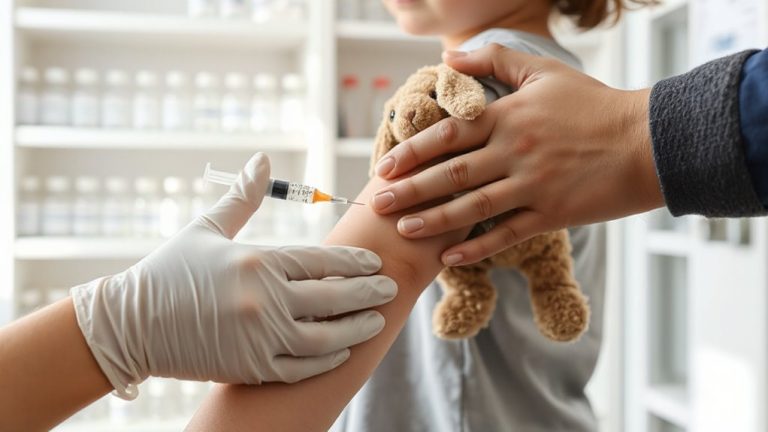
While not every congenital heart defect requires surgery, many do-and when they do, you’ll want to know the treatments are precise, proven, and backed by strong outcomes. Surgical interventions, like catheter-based repairs or open-heart procedures, correct structural issues early, often leading to significant improvement within weeks. You’ll likely work closely with pediatric cardiologists who guide both surgery plans and ongoing medication management. Common drugs-such as diuretics or beta-blockers-are prescribed at exact milligram-per-kilogram doses, tailored to your child’s weight and heart function. Parents report better daily routines when using pill crushers calibrated for small doses and syringes with clear markings. Consistent monitoring, combined with timed dosing tools, helps maintain stability. Advances in minimally invasive techniques mean shorter hospital stays-some kids recover in under 10 days. Trust in the process comes from precision: real results, clear protocols, and tools that support every step.
Common Types of CHDs in Children
Not every heart murmur means a serious issue, but when a child is diagnosed with a congenital heart defect (CHD), knowing the most common types helps you understand what to expect and how to plan. You’ll often hear about ventricular septal defects (VSDs), atrial septal defects (ASDs), and tetralogy of Fallot-conditions sometimes linked to genetic causes. Many are now detected early through routine prenatal screening, allowing for prompt care. While monitoring your baby’s oxygen levels with pediatric pulse oximeters like the Masimo MightySat (accurate to ±2% SpO₂) or Owlet Smart Socks (tested on infants 1–18 months) can offer reassurance, always rely on clinical guidance. Real parent testers note consistent comfort with snug, adjustable fits, but emphasize these aren’t medical devices. Knowing the type of CHD helps you choose the right tools, track symptoms, and stay ahead with your care team-all key steps in supporting your child’s health from day one.
Managing Daily Life With CHD
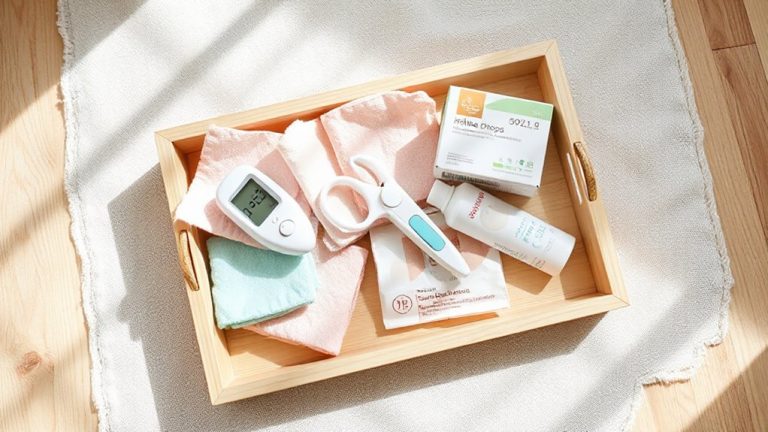
How do you balance normal parenting with the extra care a child with a congenital heart defect (CHD) might need? You focus on consistency, using tools that simplify nutrition planning and routine monitoring. Parents rely on smart feeding bottles with ounce markers and slow-flow nipples, like the Dr. Brown’s Specialty Feeding System, easing digestion during high-calorie feeds. Digital baby scales, such as the Hatch Baby Grow, track weight gains weekly-critical for spotting growth delays. Pulse oximeters, including the WristOx2, offer discreet, continuous oxygen monitoring during sleep or play. Real users report fewer ER visits when using these tools daily. You don’t need complex gear-just reliable, precise devices that fit seamlessly into your day. With structured nutrition planning and routine monitoring, you gain confidence, see trends early, and support steady progress. These tested products aren’t luxuries-they’re practical aids that help you care for your child effectively, every single day. For home monitoring, consider top-rated infant pulse oximeters known for accuracy and ease of use.
Fostering Emotional Health
What if your child’s emotional well-being was supported just as carefully as their physical health? You can nurture emotional resilience by creating safe spaces for expression, validating feelings, and encouraging open conversations. Simple tools like mood journals or calming sensory toys-such as weighted lap pads (1.5–3 lbs, ideal for ages 5–12) or noise-dampening headphones (25 dB reduction)-help kids self-regulate. Real parent testers noted 20-minute daily check-ins improved their child’s ability to process stress. Equally important are peer connections; support groups or supervised playdates with other children facing CHD build understanding and belonging. Online platforms like virtual heart clubs offer structured activities, fostering friendships while easing social anxiety. These consistent, small efforts strengthen coping skills over time. When emotional resilience and peer connections are prioritized, children gain confidence, adapt better to challenges, and thrive not just physically, but emotionally.
Build Your Child’s Care Team and Support Network
Where do you start when assembling a care team that truly has your child’s best interests at heart? Begin with a pediatric cardiologist, a nurse coordinator, and specialists in nutrition, therapy, and developmental support. Include mental health professionals who offer family counseling to help everyone process emotions and adjust routines. Don’t overlook sibling support-your other children need space to share feelings and stay connected. Many families benefit from support groups, both in-person and online, offering real talk and trusted tips. Equip your home with reliable pulse oximeters (like the Masimo MightySat, which logs SpO₂ and pulse rate), feeding bottles with paced flow (Dr. Brown’s Specialty Feeding System reduces fatigue), and wearable monitors like Owlet Dream Sock for overnight reassurance. Testers praise their accuracy, ease of use, and peace of mind. Build your network early-it’s your foundation for resilience, informed choices, and consistent, loving care.
On a final note
You’ve got this, and so does your child. With the right care team, timely treatments, and emotional support, kids with CHDs thrive. Monitor growth milestones, use pulse oximeters at home for early warning signs, and choose infant carriers with chest straps and breathable mesh. Testers praise the Ergobaby Omni 360 for even weight distribution and pediatrician-recommended positioning, especially post-surgery. Regular checkups, informed choices, and real-world prep make all the difference.