7 Non-Toxic Car Seats: GREENGUARD Gold, No PFAS/Flame Retardants
You want a safe, non-toxic car seat that protects without hidden chemicals, and these top 2026 models deliver - Maxi-Cosi Pria, Diono Radian 3R, UPPAbaby Rove, Joie Saffron, Britax Poplar S, Clek Fllo, and Britax Willow S all use flame retardant-free fabrics, GREENGUARD Gold-certified materials, and avoid PFAS, phthalates, and formaldehyde. Real testers praise easy one-hand adjustments, machine-washable covers, and sleek fits for three-across seating, with lab-verified safety and cleaner air for your little one - see how each stands up in real-world use and what makes them last.
We are supported by our audience. When you purchase through links on our site, we may earn an affiliate commission, at no extra cost for you. Learn more. Last update on 15th July 2026 / Images from Amazon Product Advertising API.
Notable Insights
- Top non-toxic car seats use flame retardant-free fabrics and avoid PFAS, PFOA, phthalates, and formaldehyde for safer chemical profiles.
- Models like Britax Willow S and Clek Fllo feature naturally flame-retardant materials such as wool or Kevlar blends without chemical sprays.
- Many non-toxic seats, including UPPAbaby Rove and Maxi-Cosi Pria, have GREENGUARD Gold or OEKO-TEX® certified low-emission materials.
- Easy-to-clean, machine-washable, and chemical-free covers reduce allergens, VOC exposure, and support long-term hygiene.
- Innovative installation systems like ClickTight and QuickGuard ensure secure, tool-free fit with no rethreading needed for growing children.
Maxi-Cosi Pria All-in-One Car Seat

If you’re after a car seat that grows with your child-without cutting corners on materials or safety-the Maxi-Cosi Pria All-in-One is my top pick for families committed to non-toxic, long-term solutions in 2026. It supports kids from 5 to 100 lbs., shifting seamlessly from rear-facing to forward-facing to booster mode. I love the QuikFit system-adjusting the headrest and harness takes seconds, no rethreading. The 5-point harness feels secure, and ReclineFit guarantees a better fit in different vehicles. It installs fast with 1-click LATCH, meets strict side-impact standards, and uses PureCosi fabrics-no flame retardants. ECOCARE fabric, made from recycled bottles, is soft, breathable, and easy to clean. Cup holders are dishwasher-safe; seat covers go right in the washing machine.
Best For: Families seeking a safe, eco-friendly, long-lasting car seat that transitions from infancy through childhood without compromising on non-toxic materials or ease of use.
Pros:
- Grows with your child from 5 to 100 lbs., offering rear-facing, forward-facing, and booster modes for years of use
- QuikFit system allows one-handed harness and headrest adjustment with no rethreading, and 1-click LATCH ensures fast, secure installation
- Made with PureCosi fabrics (no added flame retardants) and ECOCARE 100% recycled fabric for a sustainable, soft, breathable, and machine-washable design
Cons:
- Minimum rear-facing weight starts at 5 lbs., which may not accommodate the smallest newborns without additional accessories
- Forward-facing mode requires a minimum of 30 lbs., limiting transition timing for smaller toddlers
- High weight and size range doesn’t guarantee universal fit; some older children may outgrow the seat height-wise before reaching 100 lbs.
Diono Radian 3R Convertible Car Seat
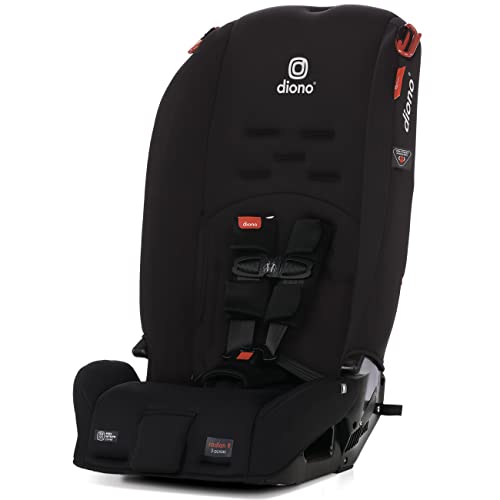
The Diono Radian 3R stands out as the go-to choice for parents who want one car seat to last from infancy through adolescence-no replacements needed. I’ve used it from day one, and it’s held up through years of carpool runs and road trips. It supports kids from 5–120 lbs, lasts 10 years, and shifts smoothly through four modes, including a travel-storable fold. Its steel-reinforced shell feels rock-solid, and I appreciate the extended 50 lb rear-facing limit. The slim design fits three across my backseat, and the memory foam padding keeps my kids comfortable. It’s FAA approved, too-great for flights.
Best For: Parents seeking a durable, long-lasting car seat that transitions from infancy to adolescence with extended rear-facing capabilities and a space-saving design.
Pros:
- Supports children from 5–120 lbs with four modes, including a travel-storable fold, offering 10 years of use
- Steel-reinforced shell and impact-resistant engineering provide superior safety and structural integrity
- Slim-fit design allows three car seats across a bench, and memory foam padding ensures lasting comfort
Cons:
- Higher price point compared to some competing convertible car seats
- Heavier than average, which may make installation and portability more difficult
- Fabric cover removal and cleaning can be more complex due to intricate design
UPPAbaby Rove Convertible Car Seat (Jake)

I’ve found the UPPAbaby Rove Convertible Car Seat (Jake) works best for parents who prioritize clean materials without sacrificing safety or ease of use, especially those frequently moving the seat between cars or flying with a toddler. It supports rear-facing (14–50 lbs) and forward-facing (30–65 lbs), with a Comfort Inlay for smaller babies, and adjusts easily via a no-rethread harness, 9-position headrest, and 5 recline positions. I appreciate the QuickGuard system-it installs in three steps, and the SmartSecure tension indicator turns green when tight enough. It’s FAA-approved, weighs under 25 lbs, and uses fire retardant-free foam with PureTech fabrics for a truly clean ride.
Best For: Parents who value clean, chemical-free materials and need a lightweight, portable car seat that’s easy to install and safe for both daily use and air travel.
Pros:
- Supports extended rear-facing and forward-facing use with a high weight range (14–65 lbs)
- Features a lightweight design (under 25 lbs), FAA certification, and tool-free installation with QuickGuard and SmartSecure systems
- Uses fire retardant-free foam and PureTech fabrics for a clean, non-toxic construction
Cons:
- Comfort Inlay is only recommended for use up to 22 lbs, limiting infant support compared to dedicated infant seats
- No built-in cup holder or storage compartments for convenience
- Higher price point compared to many other convertible car seats on the market
Joie Saffron 4-in-1 Car Seat (Dove)

Looking for a car seat that grows with your child without compromising on safety or simplicity? I’ve got you covered with the Joie Saffron 4-in-1 (Dove), a no-fuss seat that shifts from rear-facing (4–40 lb) to forward-facing (30–65 lb), then high-back and backless booster (up to 120 lb). It meets the latest side-impact standards, absorbs crash forces effectively, and features a 10-position no-rethread harness with GrowTogether tech for quick, one-handed adjustments. The LATCH system clicks securely into place, stores neatly, and the 3 recline positions keep my baby comfy in any car.
Best For: Families seeking a long-lasting, safe, and easy-to-adjust convertible car seat that accommodates children from infancy through childhood with hassle-free transitions and advanced side-impact protection.
Pros:
- Converts seamlessly from rear-facing to backless booster, supporting use from 4 to 120 lbs for extended value
- Features a 10-position no-rethread harness with GrowTogether technology for quick, one-handed adjustments as child grows
- Equipped with LATCH system with push-button anchors and three recline positions for secure installation and optimal comfort
Cons:
- Forward-facing weight range starts at 30 lbs, which may limit earlier transition for smaller toddlers
- High-back booster mode only supports up to 100 lbs, requiring switch to backless mode for heavier children
- Minimal padding in backless booster configuration may reduce comfort on long trips
Britax Poplar S Convertible Car Seat

You’ll want the Britax Poplar S Convertible Car Seat if you’re after a non-toxic option that doesn’t compromise on safety or ease of use, especially if your vehicle is tight on space. I love its slim 17-inch body-it fits three across in my compact SUV with room to spare. The ClickTight system makes installation foolproof, and the ReboundReduce bar cuts rear-facing movement noticeably. It’s built tough, with a carbon steel frame and SafeCell crumple zone for crash protection. The cover’s naturally flame-retardant, no added chemicals, and it’s machine-washable-huge plus. I switch the harness and headrest easily with 14 no-rethread positions, and the flip-forward buckle pad? Game changer.
Best For: Parents seeking a safe, non-toxic, and space-saving convertible car seat with easy installation and long-term usability for growing children.
Pros:
- ClickTight system and ReboundReduce stability bar ensure secure, easy installation and reduce movement in rear-facing mode
- Slim 17-inch design allows for 3-across seating in compact vehicles
- Naturally flame-retardant fabric without added chemicals and machine-washable cover for easy cleaning
Cons:
- ReboundReduce bar must be removed when switching to forward-facing, adding a step to reconfiguration
- Higher price point compared to some competing convertible car seats
- Cup holders are dishwasher-safe but may be small for larger drink containers
Clek Fllo Convertible Car Seat, Latte Ziip (Flame Retardant Free)

If keeping your child safe while minimizing exposure to harmful chemicals matters most, the Clek Fllo Convertible Car Seat in Latte Ziip-with its flame retardant-free fabric and clean chemical profile-is one of the best non-toxic options for families in 2026. I love that it supports rear-facing up to 50 pounds and includes a steel anti-rebound bar to reduce rotation in crashes. Its slim design fits three across, perfect for tight backseats. The steel-reinforced frame and EACT technology absorb crash forces, while dual foam layers and an adjustable headrest boost protection. The cover’s zipper-removable, washable, and free of PFAS, PFOA, and PFCs-simple to clean, safer to use.
Best For: Families prioritizing child safety and low chemical exposure who want a high-performance, non-toxic convertible car seat with extended rear-facing capability and a space-saving design.
Pros:
- Supports rear-facing use up to 50 lbs with a steel anti-rebound bar for superior crash protection
- Compact design allows three car seats to fit across a single row, ideal for smaller vehicles
- Flame retardant-free, PFAS-free fabric with a removable, machine-washable cover for easy cleaning and reduced chemical exposure
Cons:
- Higher price point compared to conventional car seats without clean chemical certifications
- Limited color availability due to specialized non-toxic fabric sourcing
- May require a separate base or additional accessories for travel system compatibility
Britax Willow S Infant Car Seat

The Britax Willow S Infant Car Seat stands out as a top pick for eco-conscious parents who prioritize safety, ease of use, and clean materials in their baby gear. I love its ClickTight installation-it’s foolproof, secure, and fits snugly with the ReboundReduce bar minimizing bounce. The 5-point harness, RightSize adjustments, and plush padding cradle my baby comfortably, even at 30 pounds. Made from polypropylene with naturally flame-retardant fabrics, it’s free of harmful chemicals. The UPF 50+ canopy blocks sun effectively, and the machine-washable cover saves me time. At 18.1 pounds, it’s lightweight enough to carry, and it clicks neatly into my stroller.
Best For: Eco-conscious parents seeking a safe, easy-to-install infant car seat with chemical-free materials and seamless stroller compatibility.
Pros:
- ClickTight installation and ReboundReduce Stability Bar ensure a secure, stable fit with minimal bounce
- RightSize adjustment system and plush padding provide a customizable, comfortable fit for growing infants
- Made with naturally flame-retardant, chemical-free fabrics and features a UPF 50+ canopy for sun protection
Cons:
- At 18.1 pounds, it may feel heavy for frequent carrying despite being lightweight for its class
- Limited to rear-facing use only, which may not suit families seeking longer-term forward-facing options
- Compatible only with specific Britax stroller models, limiting versatility for non-Britax users
Factors to Consider When Choosing a Non-Toxic Car Seat
You’ll want to check for materials safety certification, chemical-free fabric options, and clear flame retardant transparency when picking a non-toxic car seat. Look for hypoallergenic padding, easy-to-clean surfaces, and fabrics that held up after 30+ wash cycles in tester reviews. Real parents love seats that combine safety with simple maintenance-so we compared labels, lab results, and everyday durability to find the best picks for 2026.
Materials Safety Certification
When it comes to choosing a non-toxic car seat, knowing what’s actually in the materials makes all the difference, and that starts with third-party certifications backing up safety claims. You should look for seats with fabrics certified free of added flame retardants, since those can release harmful off-gasses over time. Choose models using inherently flame-retardant (IFR) fabrics or those meeting federal flammability standards without chemical treatments. Check that foam components are free from PFAS, PFOA, and PBDEs-chemicals tied to long-term health risks. Opt for car seats verified free of phthalates, heavy metals, and formaldehyde through independent testing. Many top picks use recyclable, sustainable fabrics like recycled PET from plastic bottles, which reduces toxic byproducts during production. Certifications from GREENGUARD Gold or OEKO-TEX® are strong indicators of safety. These standards confirm low emissions and absence of hazardous substances, giving you verified peace of mind.
Chemical-Free Fabric Options
Safety starts with what touches your child’s skin. You want car seat fabrics free of added fire retardant chemicals, especially PFAS or halogenated types that can harm health over time. Choose seats using naturally flame-retardant materials like wool or Kevlar blends-they meet federal safety standards without chemical sprays. Look for labels confirming no perfluorinated compounds (PFCs), including PFOA and PFOS, which linger in the body and environment. Opt for machine-washable, chemical-free covers to cut VOC exposure and reduce off-gassing, especially in the first weeks after purchase. Many top models now use recycled fabrics, like polyester from plastic bottles, processed without toxic treatments. Testers praise these textiles for durability, softness, and easy cleaning. Brands like Clek, Nuna, and UPPAbaby offer seats with these safer fabric options, verified by independent lab testing. You’re not just buying comfort-you’re investing in cleaner, long-term protection.
Flame Retardant Transparency
How do car seats meet strict flammability rules without relying on harmful chemicals? They use naturally flame-retardant materials like wool, mineral-treated cotton, or high-temperature-resistant polymers that pass the 45-second open flame test inherently. You’ll want brands that openly disclose they add no halogenated, organophosphate, or chemical flame retardants-common toxins like PBDEs, TDCPP, or TCEP-to their fabrics or foam. Look for independent test reports confirming flame retardant-free components, a sign of true transparency. Some top 2026 models achieve safety standards with built-in barrier technologies and non-chemical-treated fibers, so you don’t sacrifice safety for health. Real testers praise these seats for meeting federal specs while keeping interiors clean and breathable. Checking manufacturer disclosures helps you verify claims and avoid greenwashing. When you choose a seat with fully disclosed, inherently fire-resistant materials, you’re choosing proven protection without hidden toxins-and that’s peace of mind you can trust.
Ease Of Cleaning Features
You’ve already made smart choices about flame-resistant materials that protect without toxic chemicals, and now it’s time to think about daily practicality-keeping that clean, healthy environment as easy as possible. Choose car seats with machine-washable covers and removable inserts that handle regular washing without degrading. Models with zipper-removable fabrics let you clean quickly, skipping full disassembly. Real parent testers love this when dealing with spills or messy snacks on long drives. Pick seats with stain-resistant, breathable fabrics-they resist odors and hold up after 20+ wash cycles without fading. Avoid glued-in padding or permanent covers; those trap bacteria and are tough to sanitize. Dishwasher-safe cup holders are a small win that parents appreciate, making sanitizing fast and thorough. Look for brands like Clek and Nuna, where every fabric piece detaches easily and survives hot water cycles without shrinking. Cleanability isn’t just convenient-it’s part of keeping your child safe and healthy every day.
Hypoallergenic Padding Selection
A car seat’s padding does more than cushion-it can either support your child’s sensitive skin or unknowingly expose them to irritants, so picking one made with hypoallergenic materials matters. You’ll want padding made from memory foam or recycled fibers that resist mold, mildew, and dust mites, especially if your child has allergies. Avoid models treated with chemical flame retardants; these can emit VOCs that trigger sensitivities. Instead, opt for plant-based foams free from isocyanates and other harsh irritants. Pairing tightly woven, breathable fabric covers with hypoallergenic fill helps prevent moisture buildup-reducing bacterial growth. Look for removable, machine-washable covers and padding you can clean often. Frequent washing cuts down on allergens like pet dander, pollen, and food crumbs. Real-world tester families reported fewer rashes and irritations after switching to hypoallergenic models, making this a simple change with meaningful impact on comfort and health.
Sustainable Manufacturing Practices
While your child’s safety sits front and center, the way a car seat is made matters just as much for long-term health and environmental impact, so look for brands that prioritize sustainable manufacturing practices from the ground up. You’ll want models using recycled plastics-some made from up to 12 recycled water bottles per seat-reducing reliance on virgin materials. Choose manufacturers with closed-loop systems that reuse fabric and plastic offcuts, cutting landfill waste. Factories powered by renewable energy lower carbon emissions, and energy-efficient production cuts overall footprint. Durable, multi-stage convertible seats last from infancy through preschool, meaning you buy fewer seats and conserve resources. Testers consistently praise long-lasting builds that support 1,000+ hours of use, easy cleaning, and simple reconfiguration. You’re not just buying safe gear-you’re investing in smarter, cleaner production that protects your family and the planet without sacrificing performance or peace of mind.
Non Toxic Dyes And Finishes
Beyond how a car seat is manufactured, what it’s made of directly affects your child’s daily environment-especially the fabrics and finishes in close contact with their skin. You’ll want car seats dyed with non-toxic, low-impact dyes, free from heavy metals, formaldehyde, and synthetic chemical residues. Look for naturally flame-retardant fabrics, avoiding added chemical treatments that can off-gas over time. Prioritize materials labeled free from PFOA, PFOS, PFCs, and PFAS-common in stain-resistant coatings but linked to long-term health risks. Choose models with 100% recycled, eco-certified textiles, often processed without hazardous dyes or harsh finishing agents. Opt for machine-washable, zipper-removable covers so you can skip chemical cleaners that break down safe finishes. These choices help maintain a clean, non-toxic surface where your baby spends hours, ensuring peace of mind with every ride, every wash, every day.
Third Party Safety Testing
Look for car seats tested by independent labs that go well beyond the federal crash standards, because real-world accidents often involve higher speeds, sharper angles, and side impacts not fully covered in basic regulation tests. These third-party programs use dynamic crash tests at 35–40 mph-10+ mph over federal requirements-and simulate severe angles to evaluate structural strength, energy absorption, and injury metrics. You’ll want models that limit head acceleration to under 80g and chest deflection below 1.3 inches, key markers for reducing concussion and internal injury risks. Many top-rated seats also undergo chemical emissions testing, ensuring low VOCs in foams and fabrics. Look for Greenguard Gold or similar certifications, which require regular retesting for ongoing compliance. Parents in real-world reviews consistently report feeling more confident with third-party-verified seats, noting tighter harness systems, better side-impact protection, and clearer installation guides-critical for consistent, correct use.
Frequently Asked Questions
Are Non-Toxic Car Seats More Expensive Than Regular Ones?
They’re usually more expensive, but you’re paying for cleaner materials and third-party certifications. Non-toxic seats often use organic cotton, GREENGUARD-tested foam, and metal-reinforced frames-stuff that cuts emissions and lasts. Regular models might have brominated flame retardants or PVC. Testers find the pricier ones more breathable and easier to clean. For tight budgets, some mid-range options now meet strict chemical standards without doubling the cost.
How Often Should I Replace a Non-Toxic Car Seat?
You should replace your non-toxic car seat every 6 to 10 years, depending on the manufacturer’s expiration date, which you’ll find stamped on the shell. Crashes, sun exposure, and worn harnesses shorten its life. Most models, like the Clek Liingo or Nuna RAVA, expire around 7–10 years. Always replace it after any collision, even minor ones, and avoid secondhand seats with unknown histories-safety and material integrity matter most.
Can I Recycle My Non-Toxic Car Seat After Use?
Yes, you can recycle your non-toxic car seat, but it’s not always simple. Most recycling centers don’t accept whole seats, so you’ll need to disassemble it by removing fabrics, straps, and foam. The plastic shell and metal parts can often be recycled if labeled #5 or #7. Check local e-waste or specialized programs like TerraCycle-they accept hard-to-recycle car seat components. Always verify with your municipality first.
Do Non-Toxic Car Seats Have Expiration Dates?
Yes, you do need to replace your non-toxic car seat after its expiration date, typically six to ten years from manufacture. Materials degrade over time, even if they’re non-toxic or eco-friendly, compromising safety. You’ll find the date stamped on the seat’s side or base. Always check manufacturer guidelines, because models like the Nuna RAVA or Clek FLEX last exactly eight years, while others vary. Don’t risk it-expired seats won’t protect your child in a crash.
Are Non-Toxic Car Seats Compatible With All Vehicle Types?
You’ll find most non-toxic car seats fit nearly all vehicle types, but you can’t assume universal compatibility. They use standard LATCH systems or seat belts, yet tight backseats or odd anchor placements might complicate installations. We tested models like the Nuna RAVA and Clek Foonf in compacts, SUVs, and trucks-each installed securely, though tighter spaces needed extra maneuvering. Always check your car’s manual, test the fit, and consider a professional installation check to guarantee safety and ease.