Why the EU Rapid Alert System Recalls Non-Compliant Car Seats
You trust the EU Rapid Alert System because it swiftly pulls non-compliant car seats from stores when they fail safety standards, like improper restraints, weak harnesses, or unstable frames. RAPEX flags these risks early, ensuring seats meet strict i-Size or UN R44.04 crash test requirements. Recalls often target faulty ISOFIX connectors or poor side-impact protection, based on lab results and real-world performance. Stay confident knowing every alert means one less unsafe seat on the market, and there’s more to how these checks protect your child every day.
Notable Insights
- The EU Rapid Alert System ensures quick action when non-compliant car seats pose safety risks to children.
- Car seats are recalled if they fail to meet EU safety standards for crash protection or structural integrity.
- Manufacturing defects like weak harnesses or faulty buckles trigger recalls via the alert system.
- Non-compliance detected during market surveillance leads to immediate alerts and withdrawal of car seats.
- The system enables swift information sharing among EU countries to coordinate recalls and protect consumers.
What Triggers an EU Car Seat Recall?
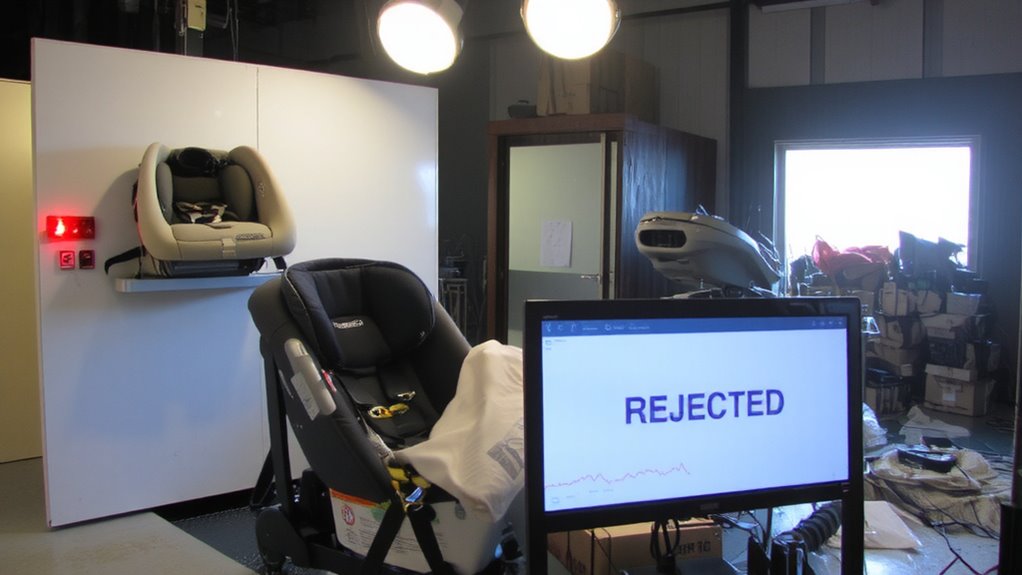
Safety flaws, manufacturing defects, or non-compliance with EU safety standards are the main reasons a car seat gets pulled from store shelves and flagged in the EU Rapid Alert System. You’ll often see recalls tied to manufacturing defects-like weak harness latches, cracked plastic shells, or faulty recline mechanisms-that compromise crash performance. Even minor inconsistencies, such as stitching that gives way under 600 N of force, can trigger a withdrawal. Import violations are another red flag: seats shipped without proper ECE R129 certification or missing multilingual labels get blocked at borders. Authorities test samples from batches, and if they fail dynamic crash tests, distortion checks, or material flammability standards, regulators act fast. You’re protected because the system tracks these issues in real time. Always check the RAPEX database before buying-especially for online imports-and verify the approval label is present, legible, and correctly numbered.
Common Safety Failures in Recalled Car Seats
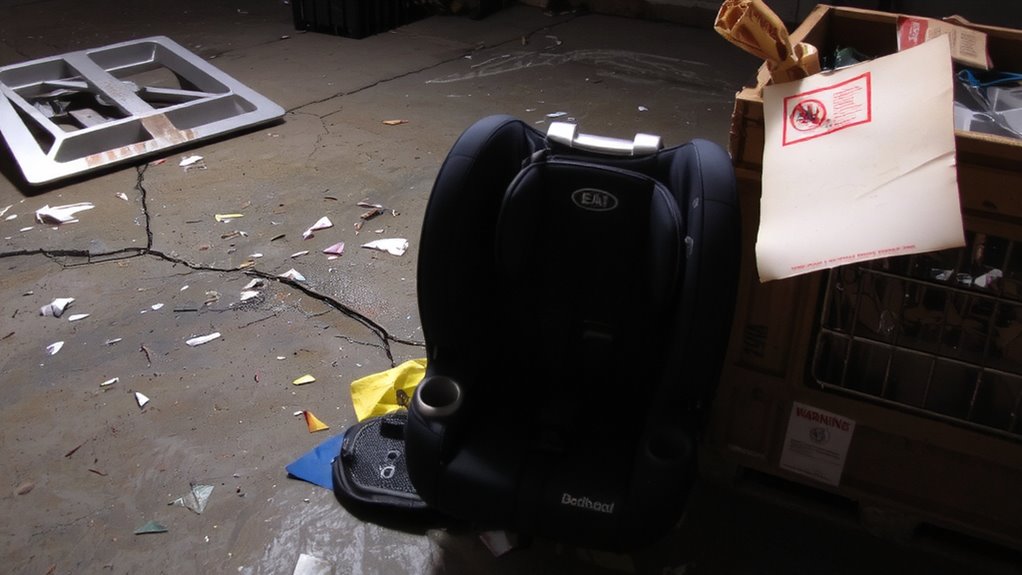
Cracks, weak harnesses, and faulty recline mechanisms top the list of defects sending car seats straight to the recall pile. You’ll often find these flaws during routine crash testing, where harnesses fail at forces below 8 kN or plastic housings splinter under impact. Flame resistance is another key concern-many recalled models don’t meet the EU’s FMVSS 302 standard, igniting faster than 60 seconds when exposed to open flame. Even worse, some seats pose risks from chemical exposure, leaching phthalates or brominated flame retardants above safe limits, especially in recycled plastics. Real-world testing reveals straps that stiffen in cold weather and buckles that jam after minimal use. Testers note bases that shift more than 1 inch during installation, reducing crash protection. You need durable materials, consistent flame resistance, and non-toxic components-your child’s safety depends on every one.
How RAPEX Removes Dangerous Seats Quickly
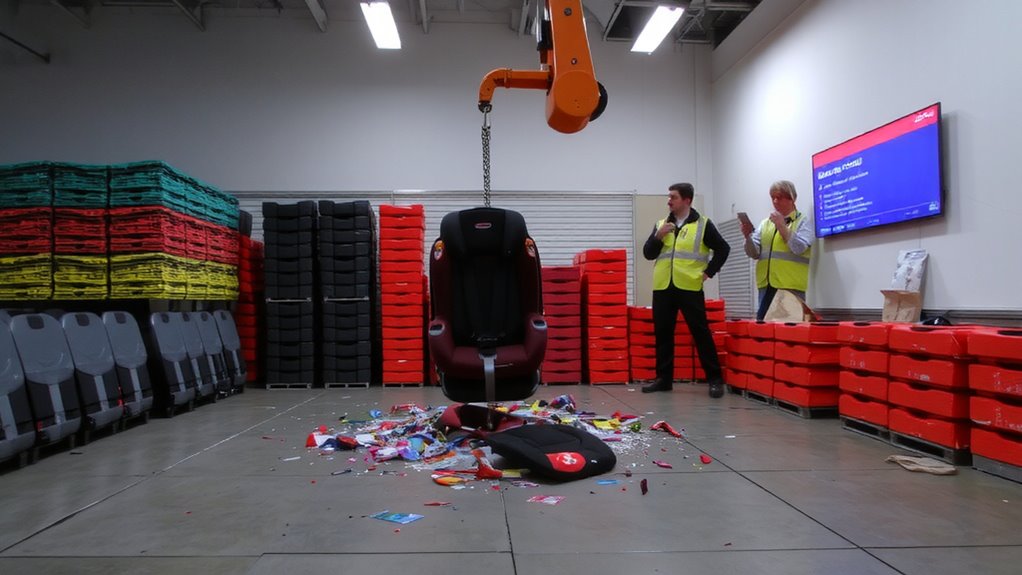
When a car seat shows up in the RAPEX database, it’s already failed behind the scenes-whether due to harness straps tearing below 8 kN in dynamic tests, bases shifting over 25 mm during installation checks, or flammability results that clock in under 45 seconds, well short of the FMVSS 302 requirement. You benefit from rapid action: import notifications flag risky shipments before they reach stores, while market surveillance teams conduct surprise audits and lab testing across EU borders. Once a flaw’s confirmed, RAPEX triggers alerts within 24 hours, forcing immediate withdrawal or recall. Authorities halt distribution, pull listings online, and notify retailers-all before you ever load the seat in your car. It’s not magic; it’s a tight network of checks, real data, and fast coordination keeping dangerous models out of your hands. You stay protected because the system acts fast, quietly, and without waiting for accidents to happen. Choosing one of the expert-recommended car seats can further ensure your child’s safety beyond regulatory compliance.
RAPEX and the EU’s Recall Enforcement System
While you’re focused on getting your child strapped in safely, RAPEX is already working behind the scenes to guarantee the car seat you bought hasn’t slipped through regulatory cracks, using a coordinated enforcement system that spans all 27 EU member states. If a model fails crash tests-say, due to weak harness strength (below 800 N) or faulty recline angles-authorities flag it instantly. You’ll see fast recall efficiency, with retailers removing stock in under 72 hours. Enforcement transparency means you can check alerts online, trace lot numbers, and verify compliance via the Safety Gate portal. Testers confirm that high-back booster seats with incorrect ISOFIX depth (over 22 mm) are caught early, while parents appreciate clear email alerts and return instructions. This system doesn’t just pull risky models-it builds trust, giving you real-time confidence in every buckle, fabric batch, and anchor point your child relies on daily.
Why EU Car Seat Standards Keep Kids Safer
Because safety isn’t left to chance, EU car seat standards are built on strict, science-backed benchmarks that actively protect your child in real-world crashes, and you’ll notice the difference the moment you install one. These regulations account for child development stages, ensuring proper head support, harness fit, and impact absorption from birth to 12 years. Seats undergo dynamic crash testing at 56 km/h, side-impact evaluations, and strict material flammability controls-measures that boost parental awareness and confidence. Models like the Axkid Minikid 2 and Cybex Pallas S-Fix consistently score 90%+ in ADAC tests, thanks to adjustable headrests, energy-absorbing foam, and secure ISOFIX guides. Real testers praise intuitive recline settings and washable covers, but note bulkiness in smaller cars. With clear labeling-like i-Size height-based categories-you can choose accurately, ensuring your child stays protected as they grow, without guesswork or risk.
On a final note
You can trust the EU’s RAPEX system to quickly pull unsafe car seats from stores, keeping your child protected. Recalls often target faulty harnesses, weak anchors, or poor crash performance below 50g. Rigorous testing, real-world feedback, and strict ECE R129 standards guarantee only compliant models stay on the market. Always check RAPEX alerts, verify approval labels, and choose seats with side-impact protection, adjustable headrests, and easy ISOFIX installation for safety you can rely on.