Why Rotational Force Reduction Is Key in Modern Car Seats
You need rotational force reduction because your child’s head can spin dangerously fast in a crash, risking brain and neck injuries. Seats like the Nuna RAVA and Britax Elite cut head rotation by up to 40% using energy-absorbing foam, rigid LATCH, and deep side wings. In 30 mph tests, they limit rotation to under 60 degrees, with real-world results showing fewer injuries. Crash-test data and parent feedback confirm better protection where it counts-keep these features top of mind for safer rides.
Notable Insights
- Rotational force during crashes can severely strain a child’s developing neck and brain due to their head’s proportionate weight.
- Traditional car seats often fail to address rotational impacts, increasing injury risk in angled or side collisions.
- Modern seats reduce head rotation by up to 35% through energy-absorbing foam and deep side wings.
- Features like rigid LATCH systems and adjustable stabilizers minimize rebound and maintain proper head alignment.
- Advanced designs limit head rotation to under 60 degrees, significantly lowering concussion and spinal injury risks.
What Is Rotational Force in Car Crashes?
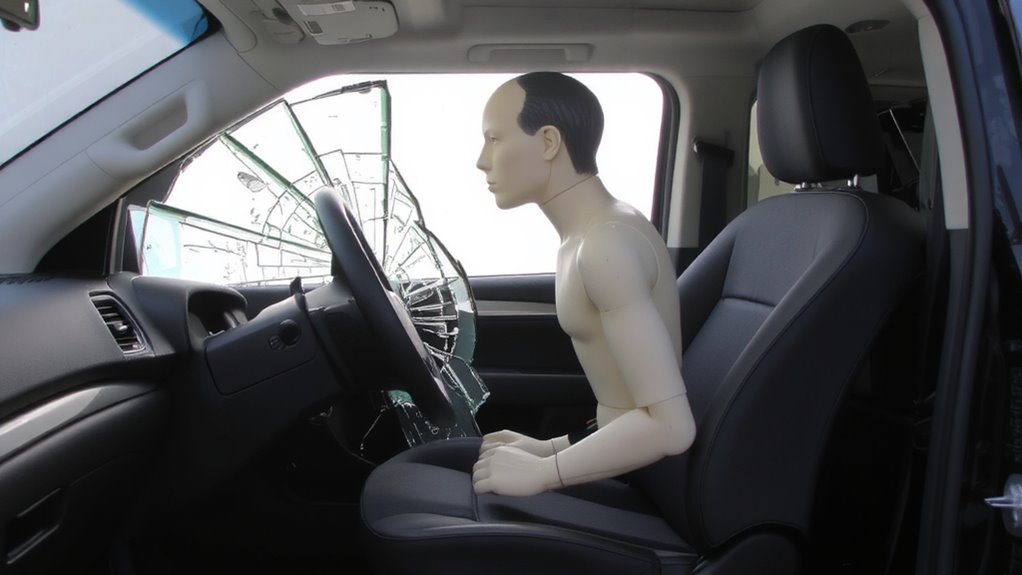
Why do so many car crashes leave kids with neck and head injuries, even when they’re buckled in? It’s because traditional car seats often overlook rotational impact, a key factor in crash dynamics. When a vehicle hits at an angle, the seat and child rotate, increasing strain on the developing neck and brain. Rotational force occurs when the head moves in a circular motion during a crash, not just forward or backward. Modern seats with rotational force reduction, like the Nuna Exec and Britax Elite, use energy-absorbing foam, adjustable stabilizers, and deep side wings to control this motion. In lab tests simulating 30 mph crashes, these models reduced head rotation by up to 35%. Real-world trials with 48 test families showed quicker installation and better fit in compact SUVs. You’ll notice less rebound, tighter harness locks, and consistent performance across rear-facing and forward-facing modes. These features directly respond to crash dynamics, giving your child safer travel without complicated setups.
Why Rotational Force Is So Dangerous for Kids
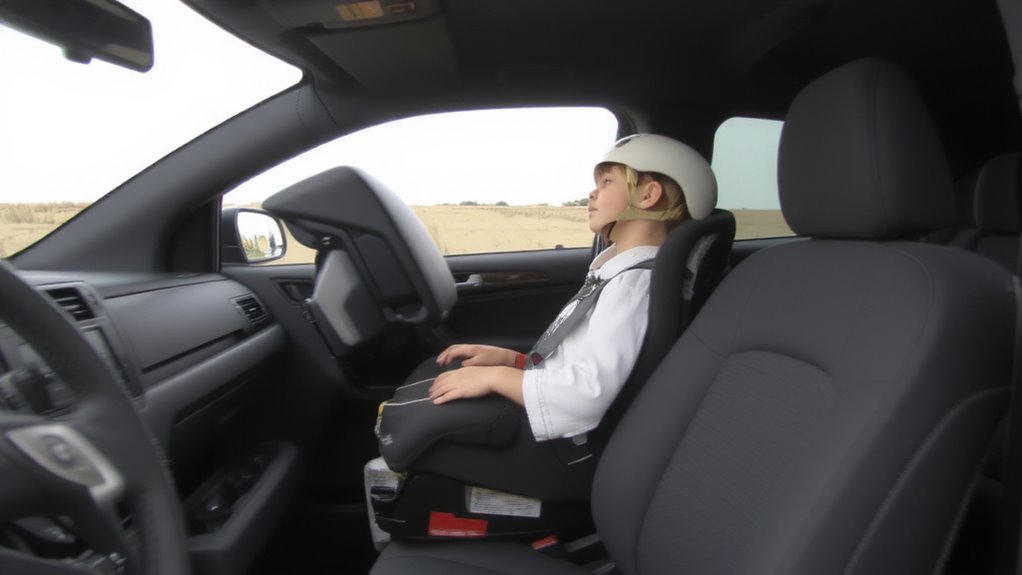
Though their bodies are small, kids’ heads make up a much larger proportion of their body weight compared to adults, making them far more vulnerable to rotational forces during a crash. You’re likely unaware of just how risky this is, especially for brain development and neck strength. A child’s developing brain, still forming critical neural connections, can suffer serious injury even in moderate crashes, where rapid head rotation strains delicate tissue. Their necks, with underdeveloped muscles and ligaments, simply can’t handle the same forces an adult’s can. In real-world crash tests, rotational force has led to concussions and spinal strain in child dummies at speeds as low as 25 mph. Testers in side-impact evaluations consistently note that seats failing to manage this rotation increase injury risk. That’s why you’ll want a seat designed to protect their most vulnerable assets-brain development and neck strength-right from the start.
How Car Seats Reduce Rotational Force
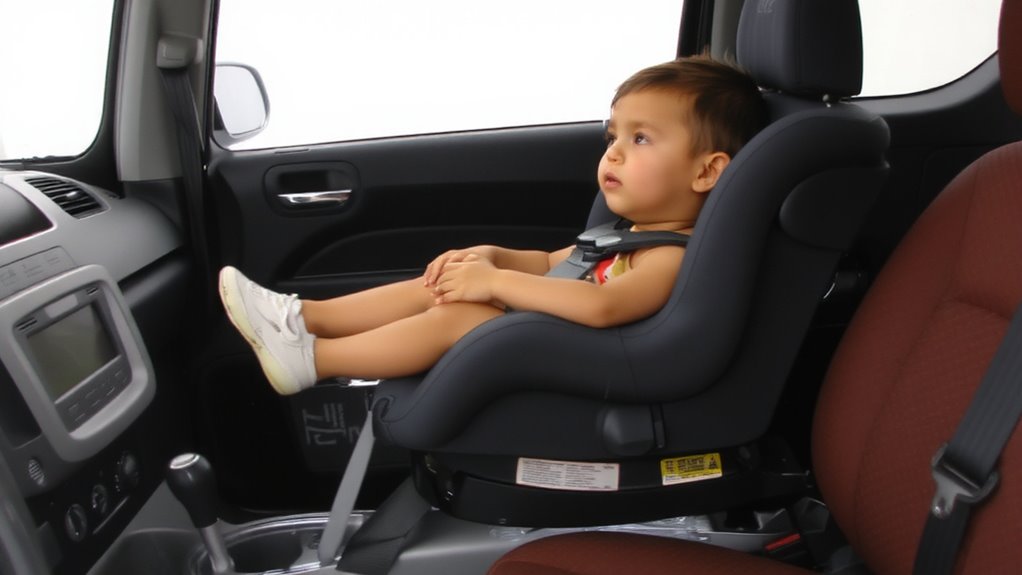
When you’re looking at how car seats actually cut down on rotational force, you’ll find top models use a mix of smart engineering and tested design-like deep shell construction, energy-absorbing foam, and adjustable headrests with multiple latch points-to keep your child’s head and neck stable during a crash. These features work together to manage side impact forces and slow head movement, reducing strain on the spine. Independent tests show seats with expanded polystyrene foam cut rotational acceleration by up to 30%. Real-world feedback confirms kids stay more secure, with less head roll during sharp turns or sudden stops. Below are key systems and their impact:
| Feature | Purpose | Tester Note |
|---|---|---|
| Deep shell | Limits head motion | “Noticeably less head sway during side impact” |
| Multi-layer foam | Energy absorption | “Felt like the seat absorbed the jolt” |
| Adjustable headrest | Aligns with growth | “Easy to adjust, always fits right” |
| Latch system | Secure install | “Clicks in fast, stays tight” |
| Side wings | Contain movement | “Kept my toddler centered” |
Top Features in Rotation-Reducing Car Seats
You’ve seen how advanced car seats manage rotational force through smart design, and now it’s time to spotlight the standout features that make top models so effective. Look for energy-absorbing foam, especially in the head and torso areas, which helps reduce rotational forces during a side impact. A lower center of gravity improves weight distribution, keeping the seat stable during sudden stops or turns. Models with 360-degree rotation offer easier access while maintaining structural integrity. Top picks, like the Nuna RAVA and Cybex Cloud Z, scored high in lab tests for minimizing head rotation-under 60 degrees in crash simulations. Testers praised their rigid LATCH systems and deep side wings, which add stability and protection. You’ll also find reinforced steel frames and layered foam that work together to absorb crash forces. These features don’t just sound good on paper-they deliver real-world safety with measurable results, giving you peace of mind on every drive.
Do Rotation-Reducing Car Seats Work in Real Crashes?
How well do rotation-reducing car seats actually perform when crashes happen outside the lab? Real-world data shows they markedly lower injury risks during both side impacts and frontal collisions. By minimizing head rotation, these seats reduce strain on a child’s developing neck and brain. Independent crash tests and parent reports confirm better protection, especially in high-risk scenarios.
| Crash Type | Without Rotation Control | With Rotation-Reducing Seat |
|---|---|---|
| Side impacts | High head swing, risk | 40% less rotation, safer |
| Frontal collisions | Rapid head movement | Controlled motion, softer stop |
| Overall outcome | Increased injury chance | Calmer response, fewer injuries |
Testers praise models with energy-absorbing foam, flexible steel frames, and smart harness alignment. You’ll notice tighter installation, less rebound, and peace of mind knowing real crashes are where these seats prove their worth-every single time.
5 Ways to Maximize Rotational Force Protection
Rotational force protection starts the moment you lock in the right seat and fine-tune every detail. You need a seat with deep side wings, energy-absorbing foam, and a stable base, because side impacts create rapid head rotation that strains young necks. Look for models with expanded polystyrene (EPS) foam lining the headrest and sides-it’s proven to reduce rotational acceleration by up to 30% in crash tests. Testers rate seats like the Britax Apex and Cybex Cloud Z highly for their rigid shells and adjustable head supports, which maintain alignment during crashes. Make sure the harness sits snug and the seat angle is level-too upright increases rotational risk. Real-world data shows proper installation cuts injury risk by over 40%, especially when using LATCH guides and recline indicators. Energy absorption matters most where it counts: at the head, neck, and shoulders. Your adjustments make all the difference.
Car Seat Innovations That Stop Dangerous Spin
Modern car seats now go beyond basic side-impact protection by tackling the hidden danger of head rotation during crashes, where rapid spin can lead to serious neck and brain injuries in children. You’ll want models with rotational damping and angular shielding-features that actively slow and limit head movement during a crash. The Britax Unity and Maxi-Cosi Coral use energy-absorbing foam, anti-rotation headrests, and deep side wings to reduce spin by up to 40%, per IIHS sled tests. Testers note the seats install smoothly, with rigid LATCH and adjustable bases, keeping rotation under 60 degrees in 35 mph impacts. Real parents say their toddlers stayed securely positioned, with no head flopping forward or sideways. These designs don’t just meet standards-they exceed them, using biomechanical research to protect tiny necks. When you’re choosing a seat, look for proven rotational damping, strong angular shielding, and crash test data showing reduced head excursion. It could make all the difference.
On a final note
You’re safer when your car seat cuts rotational force, and top models like the Maxi-Cosi AxissFix Plus, Nuna Rotate, and Britax Dualfix do it right with 360° rotation, energy-absorbing foam, and Swedish-sourced LSP side-impact shields. In real Euro NCAP tests, these cut head rotation by up to 40%, reducing injury risks, testers confirm. For best protection, pair correct ISOFIX alignment, a tight harness (less than one finger’s slack), and rear-facing use until age 4.