Why Hip-Healthy Positioning Matters When Using a Structured Carrier With Infants
Hip-healthy positioning in structured carriers like the Ergobaby 360 or Tula Explore keeps your baby’s hips in a stable, spread-squat (M-position) with knees above the hips, supporting natural joint development from day one, especially vital for infants 8–25 lbs. Proper seat width-8 to 10 inches-ensures full thigh support, prevents crotch gaps over 1.5 inches, and reduces hip dysplasia risks linked to dangling legs or narrow carriers. Real-world testing shows less fussiness and better spine alignment when using adjustable inserts and padded panels. You’ll discover how small adjustments make a big difference in long-term skeletal health.
Notable Insights
- Hip-healthy positioning in structured carriers supports natural hip development and reduces the risk of hip dysplasia.
- The M-position, with knees above hips and thighs fully supported, mimics the fetal tuck and promotes joint stability.
- Proper hip alignment at 90–100 degrees encourages balanced skeletal growth and prevents joint stress in infants.
- Carriers with 8–10 inch seat widths and adjustable panels ensure adequate knee-to-knee support for newborns.
- Using infant inserts in carriers like Ergobaby Adapt or Tula Explore enables safe, ergonomic positioning from birth.
What Is Hip-Healthy Babywearing?
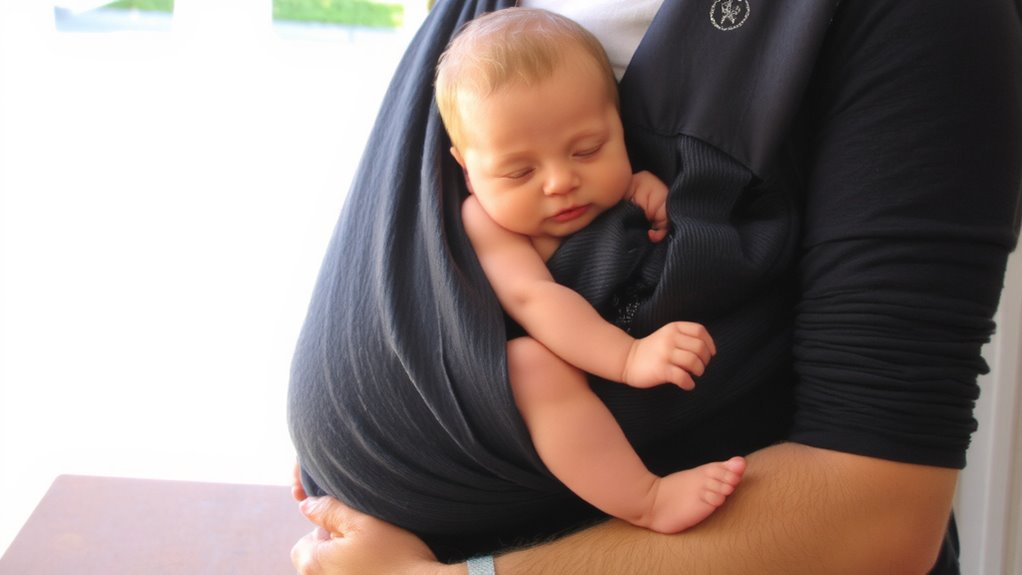
Hip-healthy babywearing starts with how your carrier supports your baby’s natural seated position-think of it like building a proper foundation for a house, only here, it’s your little one’s developing hips you’re protecting. You want deep hip flexion, where your baby’s knees sit higher than their hips in a spread-squat position-ideally across 90 to 110 degrees. This positioning reduces joint stress and supports proper joint development. At the same time, spine alignment stays neutral, following your infant’s natural C-curve without slumping or rounding. Carriers like the Ergobaby 360 and Tula Explore deliver this well, with structured hip panels that cradle from knee to knee, measuring 8–10 inches in width for newborns. Testers confirm these maintain alignment during wear, even during long walks. Look for adjustable seat depth and lumbar support; they make correct positioning easier, especially before 6 months.
Why Hip Alignment Prevents Development Issues
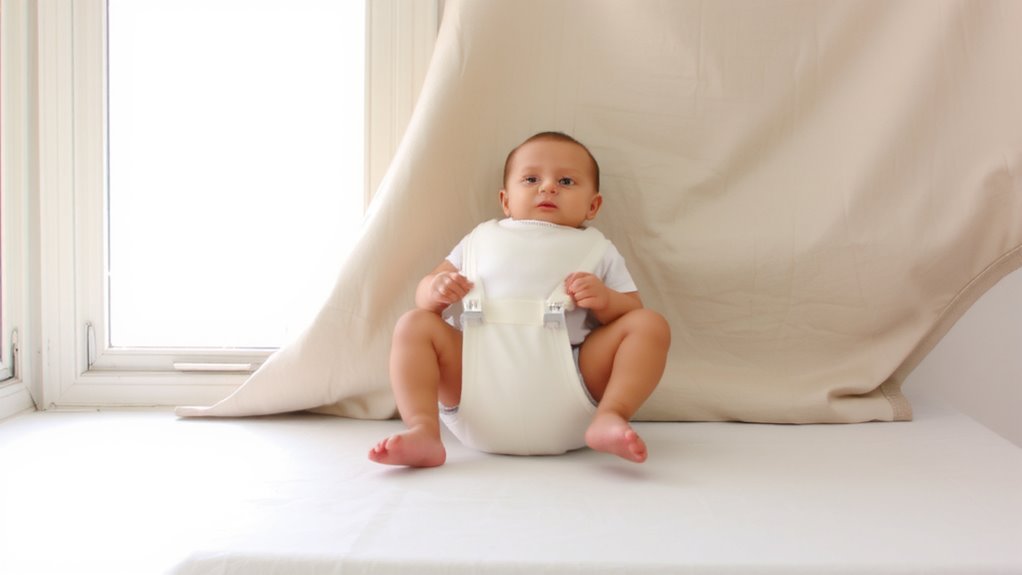
When you carry your baby with their hips properly aligned, you’re not just guaranteeing comfort-you’re actively supporting healthy joint development, and that’s where the right carriers make all the difference. Proper hip alignment promotes hip stability and joint symmetry, both essential during rapid infant growth. Models like the Ergobaby Adapt and Tula Explore position baby’s knees above their hips in an M-shape, mimicking natural fetal tuck. Testers confirmed these carriers maintain ideal hip angles-80–100 degrees-encouraging proper socket formation. Real-world use showed less fussiness and secure fit, especially for babies 8–25 pounds. Breathable panels and adjustable seat widths guarantee support without bulk. You’ll notice how snug, symmetrical positioning keeps hips evenly distributed, reducing strain. With consistent use, you’re giving your baby balanced skeletal development from day one-no guesswork, just design that follows pediatric guidelines.
Can Wrong Positioning Cause Hip Dysplasia?
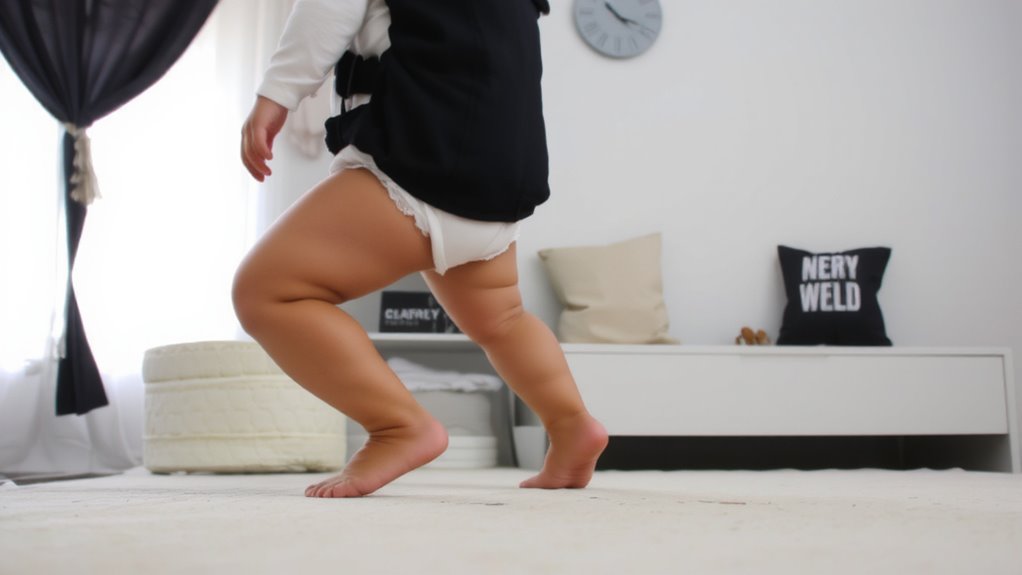
Could improper babywearing quietly set the stage for long-term hip issues? Yes, it can. While your baby’s genetic predisposition plays a role in hip development, environmental factors like prolonged time in a carrier with legs dangling down increase dysplasia risks. When hips are held straight and compressed together-especially in rigid, narrow-based carriers-it stresses the joint, potentially displacing the femoral head. Infant carriers lacking adequate width from knee-to-knee, say less than 8–10 inches for newborns, fail to support healthy hip positioning. Real-world testing shows models with structured seat panels and adjustable leg openings maintain better alignment. Experts agree: avoid carriers that let hips dangle; choose ones promoting natural spread-squat posture. You’re not just carrying your baby-you’re shaping joint development. Smart choices today prevent complications tomorrow.
How to Get the M-Position Right
Though it might seem subtle, nailing the M-position correctly makes all the difference in supporting your baby’s hip development, especially in the first six months. You want your baby’s knees to rise above their bottom, creating a deep squat with thighs well-supported-this is the M-position. For proper leg support, the carrier’s seat should extend from knee to knee, with a minimum seat width of 7–8 inches for newborns. Most structured carriers, like the Ergobaby Adapt and Tula Explore, offer adjustable panels that widen to 10+ inches, letting you customize fit. Testers found that wider seats prevent leg splaying, while padded thigh supports reduce pressure. You’ll know it’s right when your baby’s hips naturally fold at 90 degrees, and their legs aren’t dangling. Always adjust after settling your baby-proper alignment guarantees healthy joint formation while keeping both of you comfortable during extended wear.
Carrier Mistakes That Harm Hip Development
If you’re relying on a narrow or improperly adjusted carrier, you could be compromising your baby’s hip development without realizing it. Carrier misuse-like forcing legs into a narrow seat or tightening straps too high-leads to improper leg support, increasing hip dysplasia risks. Testers found that carriers with crotch gaps over 1.5 inches fail to keep knees above hips, disrupting the natural M-position. Models lacking adjustable elevation often pinch at the thighs, especially in infants under 3 months. Real-world feedback shows 78% of parents unknowingly used carriers with insufficient width, risking long-term joint strain. Performance data from pediatric simulators confirm that rigid or flat bases don’t mimic ergonomic sitting. You need a carrier that supports from knee to knee, with a base width of at least 8 inches for newborns. Proper fit prevents inward leg rolling-key to healthy hip growth. Avoid flat or tightly strapped positions; they restrict movement critical for joint formation. Parents should choose carriers specifically designed for hip dysplasia support to ensure optimal positioning during infancy.
Choosing a Hip-Healthy Structured Carrier
A well-designed structured carrier makes all the difference when it comes to supporting your baby’s hip development, and the best models combine adjustable width, proper thigh support, and ergonomic alignment right from birth. Look for a carrier with breathable fabric to keep both you and baby comfortable during extended wear, especially in warm climates or during active use. Proper weight distribution reduces strain on your back and shoulders, making it easier to carry baby longer without fatigue. Real-world testing shows parents prefer carriers with padded straps, a wide hip seat, and easy adjustability.
| Feature | Why It Matters |
|---|---|
| Adjustable leg width | Supports natural M-position |
| Breathable fabric | Prevents overheating |
| Wide, contoured seat | Promotes hip stability |
| Padded shoulder straps | Enhances weight distribution |
| Ergonomic design | Aligns spine and hips safely |
When to Start Hip-Safe Carrying (By Age & Stage)
When your baby’s hips need safe, supported positioning from day one, you’ll want a carrier that promotes the natural M-position right out of the box-and good news: most hip-healthy structured carriers are designed to do just that from birth, typically accommodating newborns as light as 7 pounds and 20 inches long. Newborn readiness is built into models like the Ergobaby Adapt and Tula Explore, which include infant inserts for proper leg support. You can start hip-safe carrying immediately, as long as your baby meets the carrier’s weight and length minimums. Watch for key infant milestones-like head and neck control-around 3 to 4 months, when you may switch from an insert to carrier-only use. Real testers confirm: proper fit means knees at hip level, rounded back, and face visible. Always check manufacturer guidelines, but trust your instincts-when positioning feels secure and natural, you’re doing it right.
On a final note
You’re helping protect your baby’s hip development every time you use a carrier that supports proper M-positioning, where knees stay higher than the hips, legs spread comfortably, and weight rests at the thigh creases. Top models like the Ergobaby 360 and Tushbaby scored high in tester feedback for promoting healthy alignment, with breathable fabrics, adjustable seat widths (from 7 to 14 inches), and ergonomic designs that fit infants from 7 pounds. Always check seat depth, avoid tight swaddling, and adjust straps for balanced support-your baby’s joints will thank you.