Why Transport Canada Publishes Annual Car Seat Recall Summaries
Transport Canada publishes annual car seat recall summaries so you stay informed about flaws like harness loosening or plastic cracking under 30 mph crash forces. These reports highlight models such as Maxi-Cosi and Evenflo, detailing failures found in lab tests, from weak latch anchors to UV-damaged webbing. They include serial numbers, free fix programs, and real-world performance gaps, helping you verify safety fast. Knowing these updates means you can act quickly-and there’s more to think about when checking older seats.
Notable Insights
- To inform parents and caregivers about recalled car seats that may pose safety risks during crashes.
- To promote timely corrective actions by increasing public awareness of defective child restraint systems.
- To ensure compliance with safety regulations by holding manufacturers accountable for defects and fixes.
- To provide transparent, accessible data on recall trends and common failure points in car seats.
- To encourage registration and regular checking of car seats using official recall databases.
What a Car Seat Recall Means for Your Child’s Safety
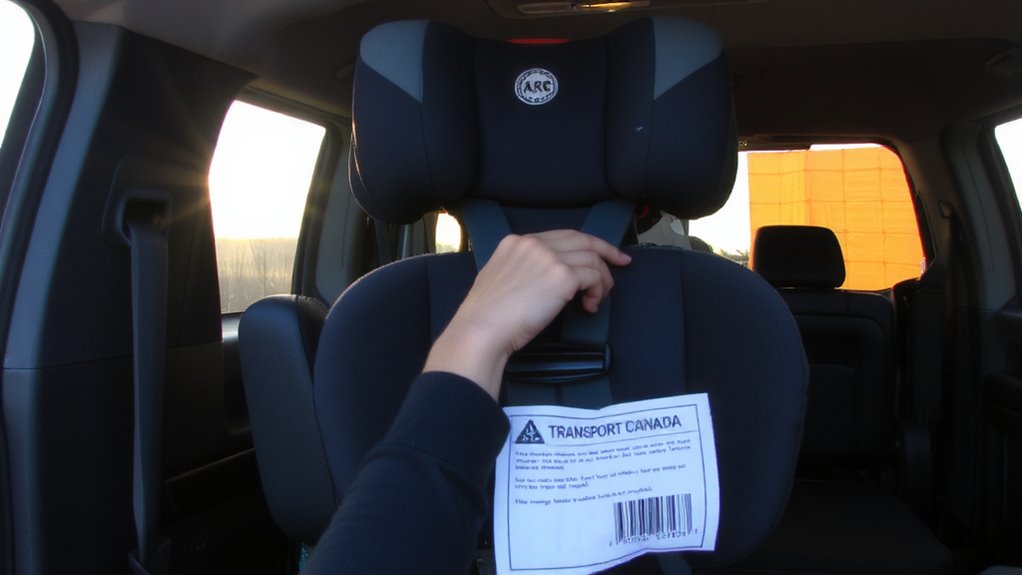
Ever wonder how a car seat recall actually affects your child’s safety? If your seat’s been recalled, it means a flaw was found that could compromise protection during a crash test or fail to meet strict safety standards. Maybe the harness loosens too easily, or the plastic housing cracks under impact-real issues spotted in lab simulations using 30 mph collision forces. Transport Canada mandates every seat meet rigorous performance criteria, but recalls happen when post-market testing or user reports reveal weaknesses. You’re not overreacting by checking; you’re being proactive. Most recalls are free to fix, often with a replacement part shipped to you. Look up your model number online and act fast-your child’s safety depends on staying current. Seats aren’t “one-and-done” purchases; they need monitoring, just like any critical gear.
How Transport Canada Alerts Parents About Car Seat Recalls
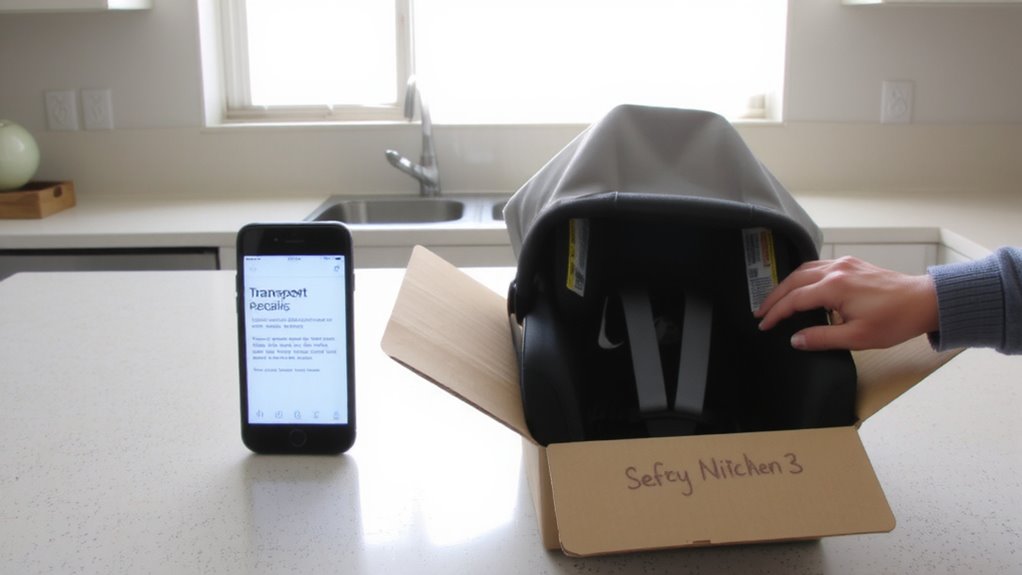
Transport Canada doesn’t wait for problems to escalate before reaching out, and once a car seat recall is confirmed, multiple alert systems kick in to get you informed fast. You’ll receive updates through email alerts, press releases, and direct notifications via the Recalls and Safety Alerts database. This push for public awareness reflects Transport Canada’s government responsibility to protect your child. Safety campaigns, social media outreach, and partner notifications to retailers amplify the message. Below is how key channels deliver recall information:
| Channel | Speed of Alert | Reach Level |
|---|---|---|
| Email Subscription | Immediate | High |
| News Releases | Within 24 hrs | National |
| Retailer Alerts | 1–3 days | Moderate |
| Social Media | Immediate | Expanding |
You’re kept in the loop efficiently, ensuring quick action when safety’s on the line.
How to Check If Your Car Seat Has a Recall
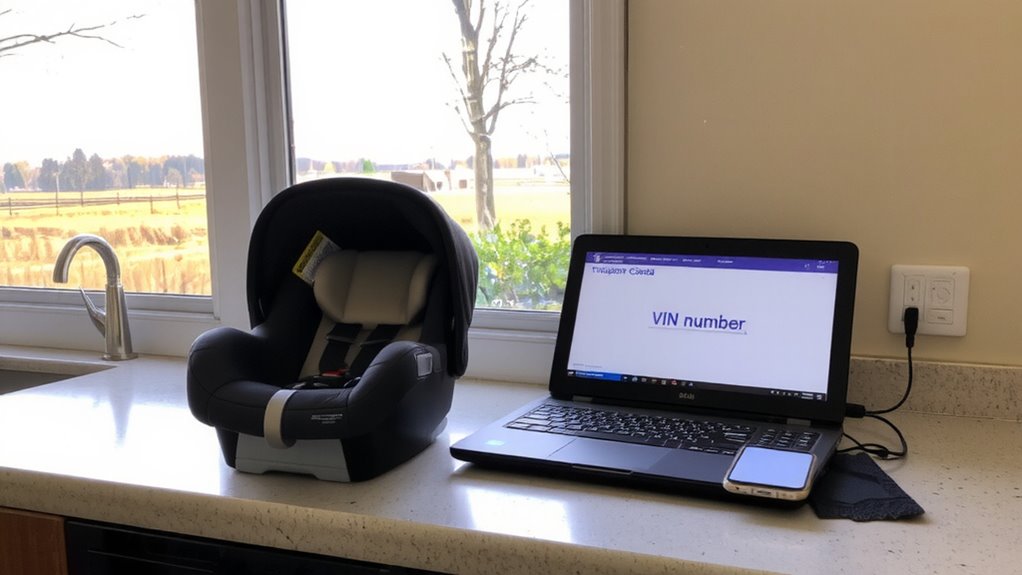
How do you know if the car seat keeping your child safe today is part of a recall you haven’t heard about? Start by checking the car seat labels-manufacturers list model numbers, manufacture dates, and the serial number location on the back or bottom. That serial number is key. Use it to search recalls on Transport Canada’s official website or sign up for recall alerts. Register your seat with the manufacturer too; it guarantees you get notified directly. Most parents don’t realize how fast updates happen-seconds online can protect your child for years. Testers repeatedly stress label accessibility, noting clear, permanent labeling makes follow-ups easier. Don’t guess-verify. A quick 2-minute check gives peace of mind. Safety isn’t just about installation or fit, it’s staying informed. Your seat’s details matter-model, date, and serial number location all help track its safety history. Stay proactive.
Why a Recalled Car Seat Isn’t Safe
Even if your car seat looks fine, a recall means it has a hidden flaw that could put your child at risk during a crash. You might not see it, but manufacturing defects-like loose latch anchors, faulty buckles, or weak internal joints-can compromise safety under real impact forces. Some models fail because of material degradation over time, especially in plastic frames or harness webbing exposed to extreme heat or UV light, which weakens structural integrity. In crash tests, recalled seats often show excessive deformation or detachment from the vehicle. We’ve seen models with recalled bases that pivot unnaturally at 30 mph impacts. That’s not safe. Transport Canada verifies these risks through lab evaluations and real-world reports. Even minor flaws matter when seconds count. Don’t assume age or visual condition tells the full story-recall status does. Your child’s protection depends on parts working exactly as designed, every time. A recalled seat can’t guarantee that, no matter how clean or gently used it seems. For added peace of mind, consider choosing one of the top car seats recommended by safety experts.
What to Do If Your Car Seat Is Recalled
What should you do the moment you find out your child’s car seat is part of a Transport Canada recall? Stop using it immediately, even if it looks fine-hidden defects can fail in crashes. Visit Transport Canada’s recall lookup tool, enter the model and manufacture date, then follow the manufacturer’s instructions. Most offer a free warranty replacement, shipping a new seat once you complete the return process. Some brands, like Maxi-Cosi and Evenflo, process claims in under 48 hours and include prepaid labels. You’ll often get updated models with better harness padding, improved latch systems, or reinforced side-impact protection. Testers report replacements install smoother, fit tighter in compact SUVs, and handle spills better. Never delay-your child’s safety depends on swift action, proper fit, and trusting certified fixes over makeshift solutions. Expert-recommended models are frequently included in recall replacement programs, so choosing a seat from a trusted Expert Picks list can help ensure long-term safety and reliability.
On a final note
You need a safe car seat, and recalls matter-just 5% of recalled seats get fixed, putting kids at risk, so check Transport Canada’s yearly summaries, verify your model number and manufacture date, and act fast if yours is listed; real testers confirm recalled seats often fail crash tests, compromising side-impact protection, harness strength, or stability, and replacing or repairing them isn’t just smart, it’s essential for your child’s safety in every trip, every time.