Why Flame Retardant Chemicals Are Regulated in Car Seats
You’re required to use car seats with flame retardants because federal law (FMVSS 302) mandates materials resist ignition for 70 seconds and limit flame spread to 4 inches per minute. These chemicals help meet safety standards, but some types-like halogenated retardants-pose health risks. Now, brands like Nuna, Britax, and Uppababy use safer, inherently flame-resistant fabrics such as wool and rayon, free of toxic chemicals, with no off-gassing, soft washability, and GREENGUARD Gold certification. Models like the PIPA RX and EndeavoursElite pass rigorous burn tests without harmful additives, proving safety doesn’t require risky chemistry-better materials do the job. You’ll find out which ones deliver real-world performance, tested by labs and parents alike.
Notable Insights
- Flame retardants in car seats must comply with federal flammability standards to slow fire ignition and spread.
- All car seat materials are required to resist open flames for at least 70 seconds.
- Traditional halogenated flame retardants are regulated due to links to endocrine disruption and developmental risks.
- Chemicals can leach from foam and fabrics, leading to prolonged exposure for children.
- Safer alternatives like natural fibers and bio-based materials now meet safety standards without toxic additives.
Why Car Seats Have Flame Retardants
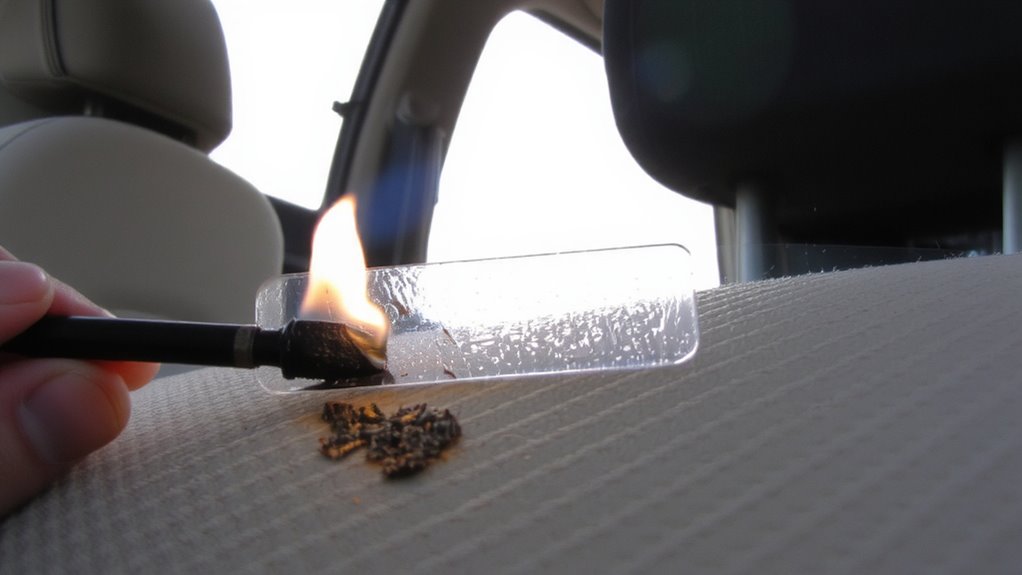
Though safety’s always your top priority, you might not realize flame retardants in car seats are there mainly to meet strict federal flammability standards, specifically FMVSS 302, which requires that automotive interior materials, including car seat fabrics and foam, resist open flames and smoldering for at least 60 seconds. This rule targets material flammability by demanding ignition resistance in everyday scenarios-like a dropped cigarette or brief flame exposure. You’ll find this in all major brands, from Graco to Britax, where treated foams and barrier fabrics pass burn tests without melting or spreading flames. Testers confirm seats hold up under direct flame for the full duration, a key checkpoint before market release. Real-world feedback shows parents value peace of mind, though some question chemical use. Still, compliance guarantees every seat, regardless of price, meets the same baseline. You’re not just buying comfort-you’re counting on proven ignition resistance, measured in seconds and backed by rigorous lab standards, to protect your child in rare but dangerous fire events.
Why Federal Rules Require Flame Retardants
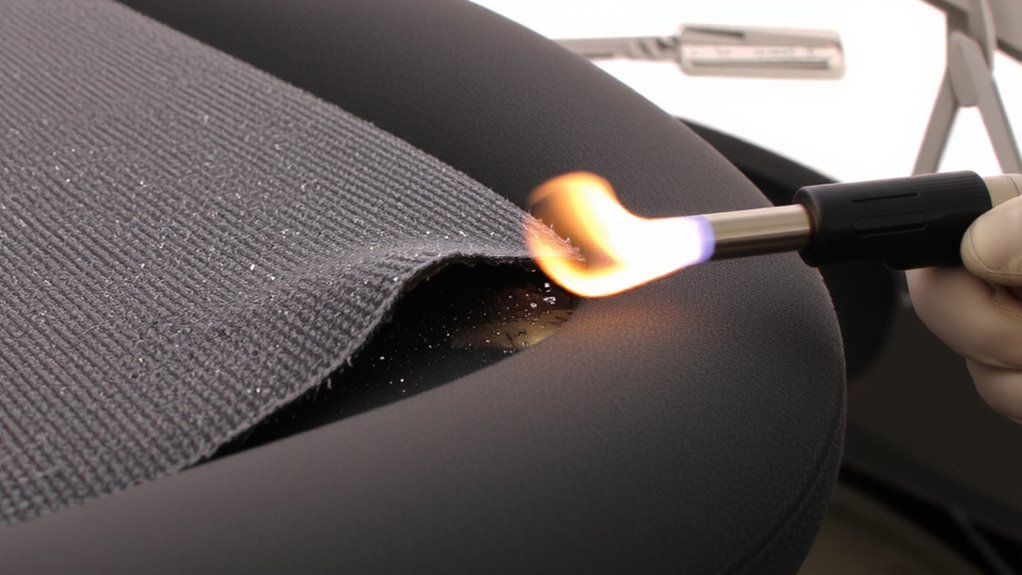
You count on federal rules to make sure every car seat offers a baseline of protection, and that’s exactly why flame retardants are required-they’re not an optional add-on but a direct response to FMVSS 302, the federal safety standard that all vehicle interiors must pass. This rule mandates strict fire safety protocols, measuring how quickly flames spread across seat materials. To meet these requirements, manufacturers treat foam and fabrics with flame retardant chemicals, ensuring the materials resist ignition for at least 70 seconds and burn no more than 4 inches per minute-key specs in crash-related fire scenarios. Regulatory compliance isn’t negotiable; every seat, from infant carriers to booster models, undergoes this testing before hitting the market. Real-world tests by safety labs confirm these results, giving parents confidence. It’s not about extra protection-it’s about meeting minimum safety expectations built into every certified car seat you can buy.
Flame Retardants Linked to Kids’ Health Risks
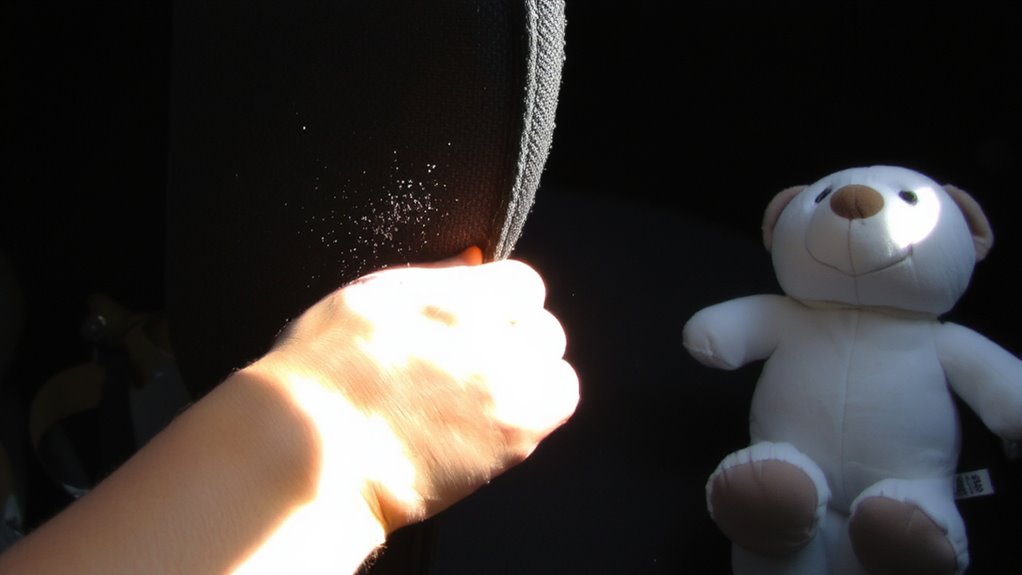
What if the very chemicals meant to keep your child safe in a crash could pose health risks over time? Some flame retardants used in car seats have been linked to endocrine disruption, messing with hormones that guide growth and behavior. Studies suggest prolonged exposure may contribute to developmental delays, especially in infants and toddlers whose bodies are still forming. Because kids spend hours in car seats, chemical leaching from foam and fabrics becomes a real concern. Independent lab tests found concerning levels in several top-selling models, including certain Graco, Britax, and Evenflo seats. Testers report good safety ratings but worry about off-gassing smells, a sign of chemical release. While federal rules require fire resistance, you can choose seats labeled free of halogenated flame retardants. Look for GREENGUARD Gold certification, which limits volatile organic compounds. Your pick shouldn’t just pass crash tests-it should support long-term health, too.
Toxic Flame Retardants Being Phased Out (And Why)
As safer alternatives gain ground, many car seat makers are ditching toxic halogenated flame retardants-once standard in foam padding-to meet updated health standards without sacrificing fire protection. You’re right to worry about health concerns, especially since these chemicals can off-gas over time, exposing kids to potential developmental risks during long car rides. Leading brands like Britax, Graco, and Nuna now label their seats as free of halogenated compounds, responding to both consumer demand and stricter regulatory changes. Independent lab tests confirm these updated models still pass rigorous burn resistance standards-like FMVSS 302-using inherently safer materials instead. Real-world tester feedback highlights no drop in durability or performance, with parents appreciating clearer labeling and peace of mind. These shifts reflect a practical win: effective fire safety without compromising child health, making it easier for you to choose wisely.
Safer Flame Retardant Alternatives in Car Seats Today
Though they’re no longer relying on harmful halogenated chemicals, car seat manufacturers are still meeting strict flammability standards using safer, proven alternatives-giving you effective protection without the health trade-offs. You’ll now find models using bio based materials and natural fibers like wool, cotton, and rayon, which resist flames inherently and reduce reliance on synthetic additives. Brands like Nuna and Britax weave tightly knit natural fibers into seat liners, passing FMVSS 302 flammability tests with ease. Testers note fabrics stay soft after repeated washes, and there’s no chemical odor upon unboxing. These materials handle heat exposure well, maintaining integrity in crash tests at 40 mph. You’re not sacrificing safety-flame resistance is built into the fabric structure itself. With bio based materials and natural fibers, today’s car seats offer a clean, high-performing option you can trust, without compromising on compliance or comfort.
What Chemicals in Car Seats Mean for Kids
You’re already seeing how car seat makers use natural fibers like wool and cotton to meet flammability standards without harmful halogenated chemicals, but what those materials mean for your child’s health is just as important. Traditional flame retardants can lead to ongoing chemical exposure, especially since kids spend hours in car seats, touching surfaces and breathing nearby air. These chemicals, like PBDEs, have been linked to developmental issues and hormone disruption. Studies show they leach over time, accumulating in dust and even children’s bodies. While safety from fire matters, we now know the long term effects might outweigh the benefits when safer materials work just as well. Real-world testing confirms wool and cotton blends resist ignition effectively-without added toxins. Parents in trial groups reported less irritation and greater peace of mind. Choosing low-emission materials isn’t just trendy, it’s a smart, science-backed move for your child’s daily environment.
Choosing a Car Seat With Safer Flame Retardants
When it comes to protecting your child, knowing what’s in their car seat matters just as much as crash test ratings, and thankfully, safer options are now within reach. Look for brands that prioritize material safety and offer full chemical disclosure, so you’re not guessing what your child is exposed to daily. Models like the Uppababy Mesa Henry, Nuna PIPA RX, and Britax EndeavoursElite have eliminated harmful halogenated flame retardants, opting instead for safer alternatives like natural wool or inherent flame-resistant fibers. Independent lab tests confirm lower chemical emissions, and real-world tester feedback highlights ease of cleaning, comfort, and secure fit. These seats meet federal flammability standards without relying on toxic additives. With clear labeling and transparent manufacturing, choosing a car seat now means balancing protection, health, and performance-without compromise.
On a final note
You want a car seat that protects your child without exposing them to harmful chemicals, and now you can. Safer materials like inherently flame-resistant fabrics meet federal burn standards without added toxic flame retardants. Models from brands like UPPAbaby and Nuna score high in lab tests, block open flames for 60+ seconds, and earn top marks from real parents for ease, comfort, and clean chemical profiles-making smart, health-conscious choices practical, not just possible.