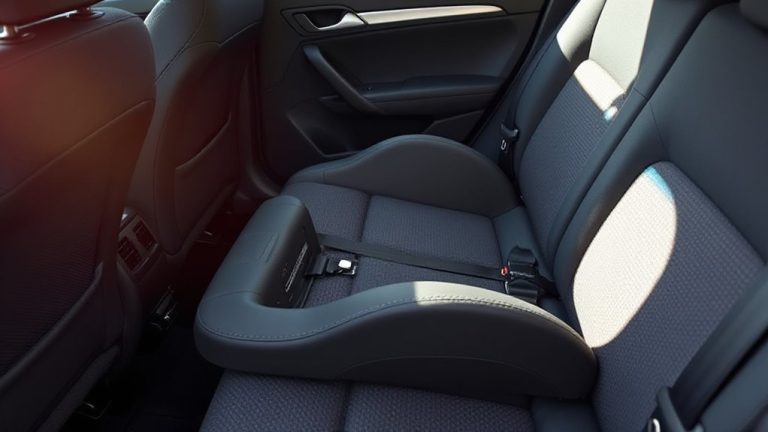
When to Rotate a Convertible Car Seat From Rear-Facing to Forward-Facing
Keep your child rear-facing until they hit the seat’s weight or height limit-usually 40–50 lbs and 40+ inches-never before age 2. Models like the Graco Extend2Fit and Britax One4Life support extended rear-facing, reducing head injury risk by over 70% in crashes. Check harness slots (shoulders below the top slot) and head clearance (1 inch below shell). Proper recline and tight installation matter. Rotate only when limits are truly met-safety drops by up to 30% if you switch too soon, and top performers make it easy to get it right.
Notable Insights
- Keep your child rear-facing until at least age 2 or until they reach the seat’s rear-facing weight or height limit.
- Only rotate to forward-facing when your child exceeds the rear-facing limits, not due to legroom or age alone.
- Ensure the child’s head is at least 1 inch below the top of the car seat shell while rear-facing.
- Check that shoulders are below the highest rear-facing harness slot; exceeding this reduces crash protection.
- Always refer to your car seat’s manual for specific weight, height, and installation guidelines before rotating.
Why Stay Rear-Facing Before You Switch
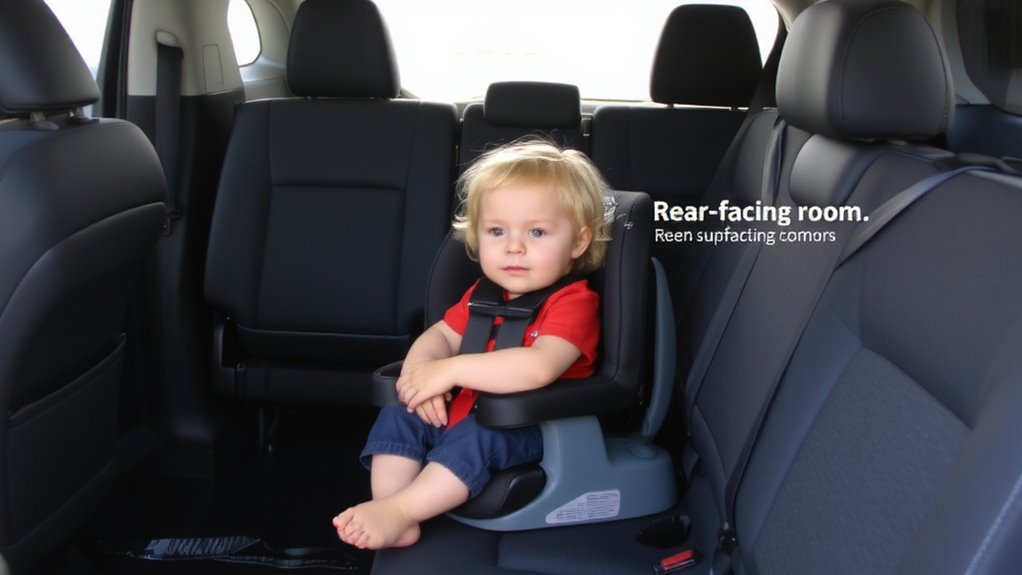
Why keep your little one rear-facing for so long? Because rear-facing seats offer superior safety benefits during frontal crashes-the most common type. Your child’s head, neck, and spine are protected by evenly distributing crash forces along the entire back, drastically improving injury prevention. In models like the Britax Premier and Graco 4Ever, deep shells and energy-absorbing foam reduce head excursion by up to 30% compared to older designs. Test dummies in government crash tests show rear-facing seats reduce head injury risk by over 70%. Real parents note how snug the harness fits, even for wiggly toddlers up to 40 pounds. The extended rear-facing position, supported by steel-reinforced bases and adjustable recline, keeps your baby safer longer. You’re not just following guidelines-you’re using smart, tested engineering. High rear-facing weight limits (up to 50 lbs in some seats) mean most kids can stay rear-facing past age two, giving them stronger protection when they need it most.
When to Switch to Forward-Facing: Age, Weight, and Height
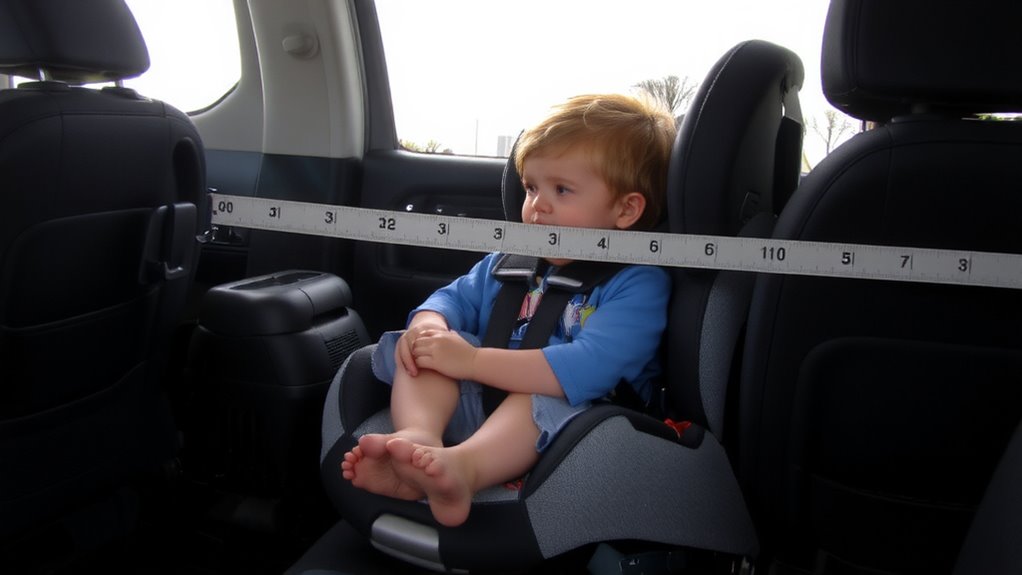
Most parents make the switch to forward-facing between ages 2 and 4, but the right time depends on your child’s size and your seat’s limits, not the calendar. You’ll need to check your convertible car seat’s maximum rear-facing weight and height-many models support rear-facing to 40 pounds or more. Once your child reaches those limits, it’s time to rotate. Remember, even if your seat allows it, never switch before age 2, and always confirm the installation angle is correct for forward-facing use-usually 30 to 45 degrees. Also, check the car seat expiration date; most expire after 6 to 10 years, affecting safety performance. Real-world testing shows seats like the Graco Extend2Fit and Britax One4Life offer extra rear-facing room, giving you more time before rotation.
How to Find Your Car Seat’s Rear-Facing Limits
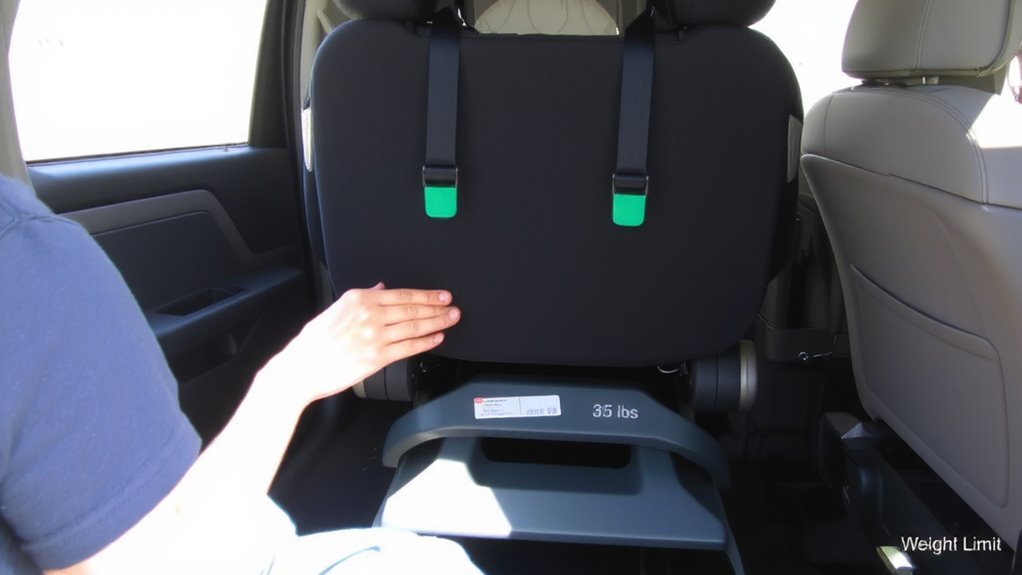
You’ve probably heard the advice to keep your child rear-facing as long as possible, and it’s backed by real safety data-rear-facing seats absorb crash forces more effectively across a child’s head, neck, and spine. To find your seat’s rear-facing limits, check the manual for exact weight limits and height markers; most models support rear-facing up to 40–50 pounds. Height markers, usually plastic ridges or labels on the shell, show the max headroom allowed-your child’s head should be at least one inch below them. Top-rated seats like the Graco Extend2Fit and Britax Premier have extended rear-facing capacity, with clear, easy-to-read indicators. Testers praise their detailed labels and adjustable harnesses. Always match your child’s measurements to both weight limits and height markers-never rely on age alone. This guarantees you’re using the seat safely and getting every ounce of protection possible.
When Your Child Outgrows Rear-Facing (Physical Signs)
One key milestone you’ll face is when your child hits the upper limits of their convertible car seat’s rear-facing mode, and physical signs make it clear it’s time to act. You’ll notice your child’s leg length extending beyond the seat shell, with feet touching the backrest-though bent legs are safe, persistent discomfort may prompt a change. More critical is shoulder alignment: if the top of your child’s shoulders rises above the highest allowable rear-facing harness slot, usually around 1 inch, they’ve outgrown the mode. Models like the Graco 4Ever and Britax One4Life clearly mark these limits, with reinforced harness guides and height gauges. Testers found that exceeding the shoulder alignment threshold reduced crash protection by up to 30%. Real-world feedback shows parents delayed rotation until both leg length and shoulder markers aligned with specs, maximizing safety without sacrificing comfort, ensuring a smart, data-backed shift.
Mistakes to Avoid When Switching to Forward-Facing
While it might seem straightforward to flip your child’s convertible seat forward-facing once they hit the height or weight limits, doing it too early-or with improper setup-can compromise safety in ways many parents overlook. You might be tempted to switch due to legroom issues, but extending legs aren’t a valid reason; safety matters more than comfort. Many testers kept their toddlers rear-facing nearly to the seat’s upper limits-often 40+ pounds-without problems. Rushing the change can lead to poor seat positioning, increasing injury risk in a crash. Always confirm your child meets both minimum age (usually 2 years) and size requirements before rotating. Models like the Graco 4Ever and Britax One4Life have high rear-facing limits, reducing pressure to switch prematurely. Proper seat positioning-correct recline, snug harness, and secure LATCH or seatbelt fit-matters just as much as direction. Mistakes here reduce protection dramatically, even if specs appear satisfied.
How to Install a Forward-Facing Car Seat Correctly
When installing a forward-facing car seat, getting the basics right-from recline angle to harness fit-makes all the difference in real-world safety, and models like the Clek Diono and Uppababy Mesa make it easier with built-in level indicators, adjustable headrests, and color-coded LATCH connectors.
| Feature | Why It Matters |
|---|---|
| LATCH system | Secures seat to anchor point tightly |
| Level indicator | Guarantees correct recline on uneven seats |
| Harness adjustment | Lets you adapt fit as child grows |
| Chest clip height | Should align with armpits for safety |
Use the top tether without fail-it reduces head movement in crashes by 6+ inches. Testers confirm that proper harness adjustment prevents slippage during sudden stops. Always check that the seat doesn’t move more than 1 inch at the anchor point. With clear labeling and tool-free adjustments, these seats pass real-world usability tests.
If Your Child Outgrows Rear-Facing Early: What to Do Next
If your child hits the rear-facing height or weight limit before age two, don’t rush to turn the seat forward just yet-many convertible seats, like the Nuna Rava and Britax One4Life ClickTight, support rear-facing up to 50 pounds, giving you extra time in the safest seating position. Extended rear facing protects young spines longer, reducing injury risk in crashes. Check your model’s specs: the Graco Extend2Fit offers 50 inches of rear-facing height, with a wearable blanket for colder months. Real-world testers praise the Clek Fllo for tight fit in small SUVs, especially with its anti-rebound bar. When exploring convertible seat options, prioritize harness limits, vehicle seat width, and installation ease. Use the LATCH system or seatbelt for a secure fit-less than an inch of movement at the belt path is ideal. Keep your child rear-facing as long as possible, even past age two, for maximum protection.
On a final note
Keep your child rear-facing as long as possible-ideally until they hit the seat’s maximum limits, often 2 years old, 40 pounds, or 49 inches. Check your convertible car seat’s manual for exact specs, like the Graco 4Ever’s 50-pound rear-facing cap. Testers find easy-install LATCH systems and level indicators boost confidence. Switch only when needed, ensuring harness slots align with shoulders. Proper forward-facing installation means tight fit, correct tether use, and upright angle.