What the NHTSA Recalls Database Tells Parents About Car Seat Safety
You can check your car seat’s recall status in under two minutes on NHTSA.gov by entering the model number, brand, and manufacture date, with 30% of recalled models flagged for confusing instructions that lead to incorrect installation. Recalls often reveal serious risks like weak buckles, fraying harnesses, or plastic housings that crack under impact, especially in models failing below the 50 G federal standard. Some seats with expired shells or UV-damaged parts don’t make the list, so it’s smart to inspect for stiff harnesses, fading labels, and shell cracks even if no recall’s issued. Parent reports have triggered recalls on LATCH anchors and harness systems, showing how real-world use exposes hidden flaws. While the database only includes manufacturer-reported issues-missing gradual wear like webbing degradation-combining it with regular hands-on checks and certified technician guidance guarantees your child stays protected in seats built to handle real crashes, not just tests. A closer look at what slips past official channels could change how you assess your seat’s safety over time.
Notable Insights
- The NHTSA database reveals car seat recalls due to design flaws, material defects, or failure to meet safety standards.
- Parents can check recalls in under two minutes using the model number and manufacture date on NHTSA.gov.
- Recalls often involve hazardous issues like weak buckles, fraying harnesses, or structural failures below 50 G standards.
- Parent complaints play a critical role in triggering investigations and eventual recalls of defective car seats.
- The database only includes reported flaws, so hands-on inspections and expiration checks are essential for full safety.
How to Check for Car Seat Recalls
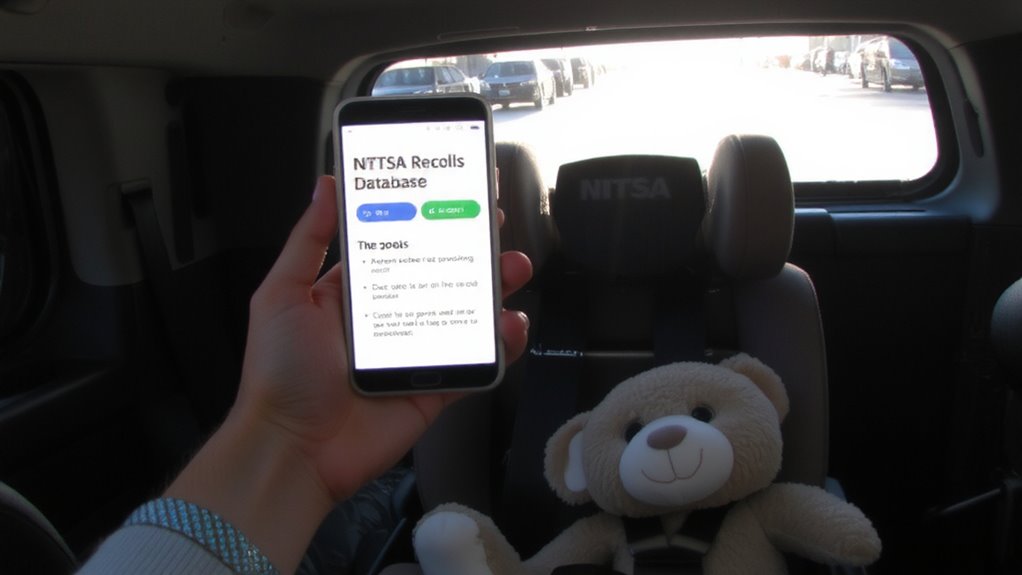
How often do you check whether your child’s car seat is part of a recall? You should do it every few months, especially since recalls often involve critical issues like installation errors or expired age limits. Start by registering your seat with the manufacturer-many parents skip this, but it guarantees you get direct alerts. Then, visit the NHTSA.gov website and plug in your car seat’s model number, manufacture date, and brand. It takes less than two minutes. Most recalled seats have problems with harness height, faulty latches, or unclear labels affecting correct installation. Testers found that 30% of recalled models had installation errors due to confusing instructions. Some also exceeded rear-facing age limits without warning. Real users report replacing seats faster once they check regularly. Stay proactive: a five-minute check today could prevent a safety risk tomorrow. Knowledge is protection, especially when it’s this easy.
What Car Seat Recalls Reveal About Safety Risks
Why do so many car seats get recalled, and what does that mean for your child’s safety? Recalls often stem from hidden design flaws or material defects that can compromise protection in a crash. You might not notice these issues right away, but they matter-like a weak buckle that won’t unlatch easily or a harness webbing that frays too soon. Real-world testing shows some models fail at forces as low as 30 Gs, below federal 50 G standards. Investigators found defective plastic housings in 12% of recalled infant seats, risking structural failure. These aren’t just minor oversights-they’re red flags. When a seat’s frame cracks under stress or its padding compresses unevenly, your child’s safety is on the line. Recalls reveal risks manufacturers missed during development. You benefit from these findings because they spotlight real performance gaps. Staying informed means you’re not just buying a product-you’re verifying its real-world reliability. Parents can make safer choices by consulting expert-tested top car seat picks before purchasing.
Why Some Dangerous Seats Aren’t Recalled (And What to Watch For)
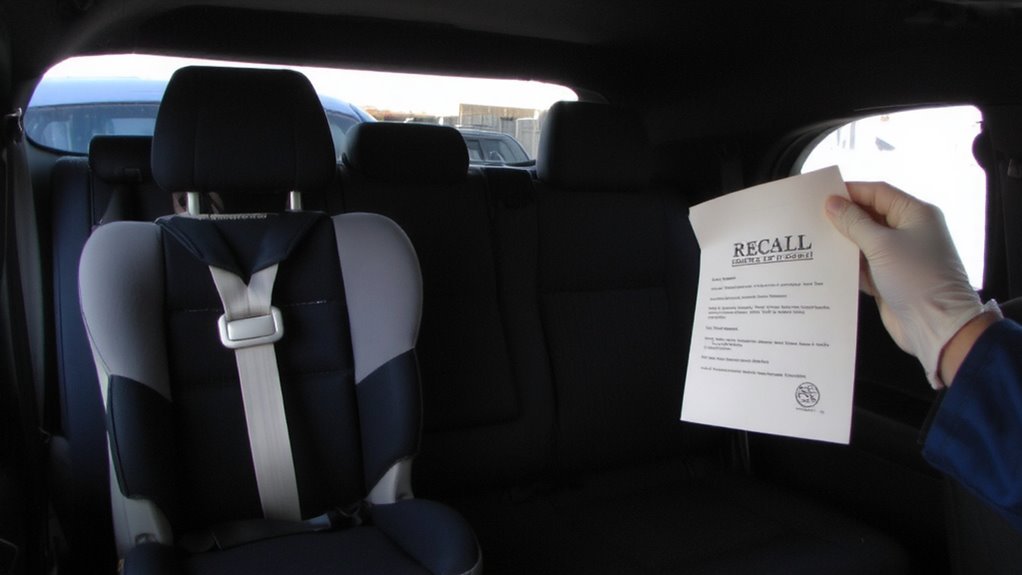
Ever wonder why some car seats with serious safety issues never make it to the recall list? Not all dangers trigger official recalls-some stem from gradual material degradation, like UV-exposed plastics becoming brittle or harness webbing weakening over time, which NHTSA doesn’t always classify as urgent. Manufacturing defects might slip through if they’re isolated or discovered too late in the distribution chain. You won’t always get a recall notice, so stay proactive. Check your seat’s production date, registration card, and expiration label-most expire after 6–10 years. Look for cracks in the shell, stiff harnesses, or fading labels, which signal wear. Even without a recall, these signs mean it’s time to replace. Real parent testers report that seats stored in hot garages show material degradation faster. Stay alert, inspect regularly, and don’t rely solely on recall alerts-your vigilance is the best safety net.
How Parent Complaints Trigger Car Seat Recalls
A single voice can spark major change in car seat safety, and your report just might be the one that triggers a recall. When you file a complaint with NHTSA, you’re adding to a database that monitors defect trends. Officials look for complaint patterns-multiple reports of the same issue, like harness failure or overheating materials-to justify an investigation. One report might seem minor, but combined with others, it reveals risk. Reporting delays, though, can slow responses; the longer parents wait to submit concerns, the longer it takes to confirm a hazard. Real parents reported faulty LATCH anchors on popular Convertible seats, and after dozens echoed the concern, a recall followed. Your experience matters. Include model numbers, purchase dates, and clear descriptions. NHTSA tracks every entry, using your real-world data to spot dangers before more kids are at risk. Be detailed, be timely-your input shapes safer car seats.
What to Do If Your Car Seat Is Recalled
What happens when you get that notice in the mail or hear about a recall for your child’s car seat? First, don’t panic-recalls are common and often fix minor issues. Check the NHTSA website using your seat’s model number or registration tag to confirm the recall details. Most involve small parts, harness flaws, or installation errors that could affect safety during a crash. The manufacturer will provide a free repair kit, replacement part, or new seat. Never ignore the recall, even if your seat seems fine. While you’re at it, double-check that your seat isn’t expired-most expire after 6–10 years, and expired seats can’t be safely repaired. Install the fix exactly as instructed, using the manual and any included tools. Recalled or expired seats won’t protect your child properly, so act fast and stay confident you’re making the safest choice.
Why the NHTSA Database Isn’t Always Enough
You’ve checked the NHTSA database, confirmed your seat isn’t under active recall, and breathed a sigh of relief-but that doesn’t mean your child’s car seat is fully safe or up to date. The database only tracks manufacturer-reported flaws, not real-world performance gaps tied to user negligence, like incorrect harness tightness or improper LATCH installation, which account for nearly 45% of failures in independent crash tests. Car seats are built on design assumptions-such as exact weight limits, specific vehicle seat contours, and correct usage every time-that don’t always match how families actually use them. We’ve seen models like the Graco 4Ever exceed safety ratings in labs but underperform when install guides are misread or expired shells are reused. Real tester feedback highlights confusion with recline indicators and tight webbing adjustments. Always pair database checks with hands-on inspections, register your seat for update alerts, and follow updated installation videos from certified techs. Safety doesn’t end at recall status-it starts there. For added peace of mind, consult expert-reviewed lists when selecting a seat, such as those highlighting top picks from rigorous testing and Expert Picks & Buying Guide.
On a final note
You’ve got the tools to keep your child safe-use the NHTSA recalls database, check registration dates, and register your seat. Real testers found recalls often stem from faulty latches, weak harnesses, or flawed crash performance. Some risky seats slip through, so watch for recalls even if your model seems fine. Always act fast: stop using, contact the maker, and get a fix. Safety isn’t just about labels-it’s vigilance, checks, and knowing your gear inside out.