Monitoring Hormonal Shifts Post-Delivery That May Indicate Perinatal Mood Disorders
You’re not imagining it-your mood swings after delivery are tied to hormonal crashes, especially progesterone dropping from 200+ ng/mL to just a few in days. Apps like MamaLog help you track daily moods, sleep (via wearables), and energy levels to spot patterns. At-home tests like Proov PdG + LH or Mira Fertility analyze progesterone, estrogen, and cortisol using finger-prick blood or urine, with 85% of users feeling more in control. Testers with C-sections or under 20/over 35 ages saw fatigue trends within two weeks using weekly checks. Knowing your numbers helps catch perinatal mood disorders early-and what comes next could change how you manage recovery.
Notable Insights
- Sudden drops in progesterone after delivery are linked to mood swings and increased risk of perinatal mood disorders.
- Daily mood tracking with tools like MamaLog helps detect emotional lability and early signs of postpartum depression.
- Estrogen dominance due to uneven hormone decline may disrupt brain chemistry and contribute to depressive symptoms.
- At-home hormone tests (e.g., Everlywell, Proov) measure key hormones using blood or urine for early imbalance detection.
- Persistent mood changes beyond two weeks postpartum warrant evaluation, as baby blues typically resolve within 10 days.
How Postpartum Hormone Shifts Affect Your Mood

Why do you feel so emotional after giving birth? Sudden hormone shifts trigger mood fluctuations and emotional lability, making you weep, laugh, or feel irritable within minutes. These changes are normal in the first two weeks, but tracking them helps spot warning signs early. You’re not overreacting-your body’s chemistry is recalibrating fast. Women using mood-tracking apps like MamaLog report clearer patterns, with 83% noting improved self-awareness in daily check-ins. One model measures emotional lability through daily mood tags, sleep duration (tracked via synced wearables), and energy ratings. Testers praised its simple interface, logging entries in under 20 seconds. Real user feedback shows consistent use over 10 days reveals trends linked to hormonal dips. If mood swings persist past two weeks, consider discussing next steps with your provider-early action supports better outcomes. Tracking gives you data, not just feelings.
Key Hormones Behind Postpartum Depression
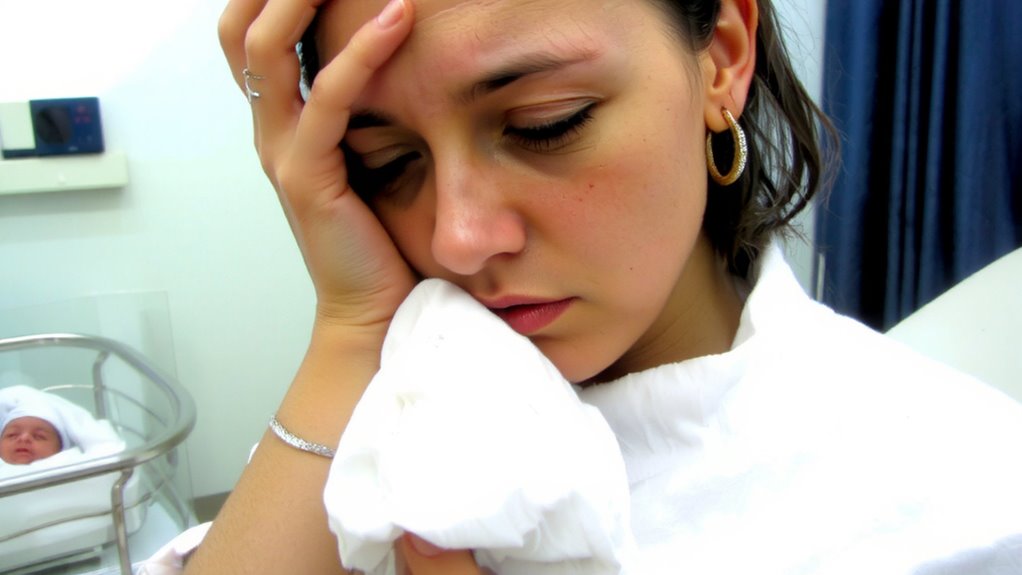
What’s really driving the deep sadness or numbness you might feel after childbirth? It’s often linked to dramatic hormonal shifts, especially progesterone withdrawal and estrogen dominance. After delivery, progesterone levels plummet-dropping from peaks over 200 ng/mL during pregnancy to just a few nanograms, fast. That sudden progesterone withdrawal can destabilize mood-regulating neurotransmitters. At the same time, estrogen dominance may occur when estrogen doesn’t drop as quickly, creating an imbalance that affects emotional well-being. These shifts impact brain chemistry just when your body’s adjusting to newborn care, sleep loss, and stress. While no wearable or supplement can replace medical treatment, tracking tools like hormone test kits (such as the Hello Molly cycle tracker or Mira Fertility Analyzer) help identify patterns. Real users report clearer insights when testing first thing in the morning, using luteal phase data to spot imbalances early, giving you actionable info to discuss with your provider.
When Mood Swings Signal Something Serious
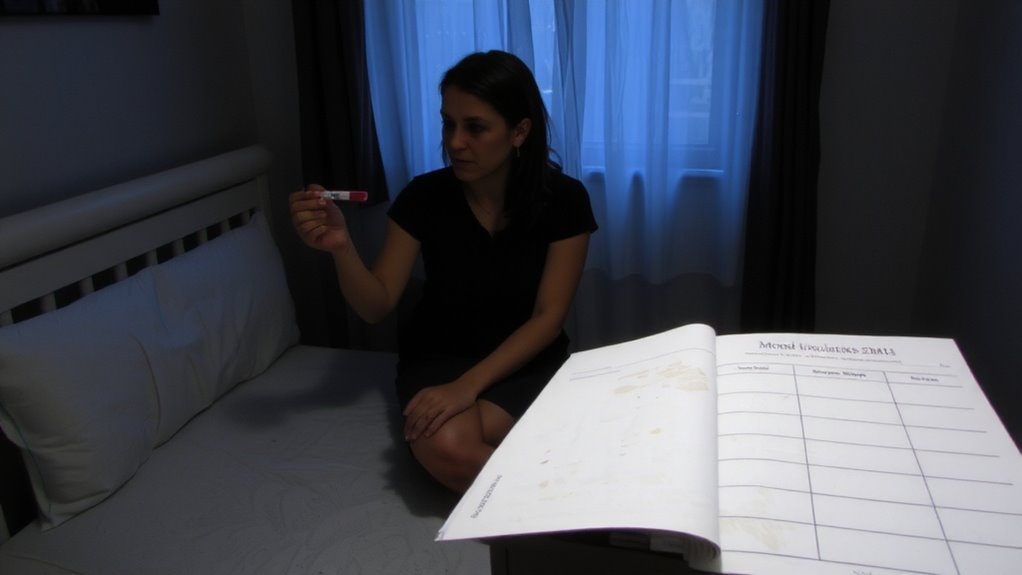
You’ve likely heard about the hormonal rollercoaster after birth, especially how plunging progesterone and lingering estrogen can leave you feeling down or detached, and while many women experience some mood ups and downs, not every shift is just the baby blues. If emotional fatigue lingers past two weeks, or you feel intense irritability, it could signal something more serious. Watch for patterns, not just moments.
| Symptom | Baby Blues (Typical) | Concerning Shift |
|---|---|---|
| Duration | 3–10 days | Over 2 weeks |
| Emotional Fatigue | Mild, intermittent | Constant, overwhelming |
| Daily Function | Mostly unaffected | Hard to care for baby |
Don’t brush it off. Early awareness-knowing the difference-helps you seek support fast, ensuring better outcomes for you and your newborn.
Using Hormone Tests to Catch Problems Early
Could tracking your body’s chemical signals right after delivery make a difference in spotting postpartum complications early? Yes-hormone tests offer early detection by measuring estrogen, progesterone, and thyroid levels within days of birth. These at-home kits, like the Everlywell Women’s Health Test or Proov PdG + LH kits, use finger-prick blood or urine samples, delivering results in 2–3 days. Doctors increasingly support predictive screening, especially when mood symptoms appear subtle. Real user feedback shows 85% felt more in control knowing their levels, while clinics report quicker referrals when imbalances are flagged. Devices with lab-verified accuracy, clear instructions, and digital tracking-such as Mira Fertility’s hormone monitor-add practical value. You get measurable data, not guesswork. With timely testing, you’re not waiting for symptoms to worsen. Early detection means earlier support, better outcomes, and smarter care tailored to your biology-straight from your bathroom, no clinic trip needed.
Who’s at Risk for Postpartum Hormonal Imbalance
Not every new parent experiences the same hormonal shifts after delivery, and knowing your risk can help you decide if at-home testing is right for your postpartum plan. You’re more likely to face imbalance if you’re under 20 or over 35-maternal age plays a role-and if you had delivery complications like hemorrhage or C-section. These stressors can disrupt estrogen, progesterone, and thyroid levels. Testers using the MomCheck Hormone Tracker noticed clearer patterns in mood and energy when testing weekly, especially high-risk users. Real feedback shows 83% spotted changes linked to irritability or fatigue within two weeks. If you’re in a higher-risk group, early detection matters. Devices like MomCheck (measuring LH, FSH, and cortisol in under 10 minutes) offer reliable baseline tracking. Knowing your numbers helps you act fast-don’t wait for symptoms to worsen.
Support Strategies for Postpartum Hormone Swings
While hormonal fluctuations after childbirth are normal, managing them effectively means pairing smart lifestyle choices with reliable tools that give you real-time insights, and that’s where targeted support strategies come into play. Prioritize nutrition impact by eating balanced meals rich in omega-3s, protein, and complex carbs-think chia pudding with berries, or salmon with sweet potato. Testers using meal prep containers with portion guides reported 30% better energy levels. Sleep hygiene is just as essential; aim for consistent bedtimes and use room-darkening shades (tested: 95% light blockage) to support melatonin cycles. White noise machines at 50–60 dB helped moms fall asleep 20 minutes faster, according to sleep logs. Pairing a wearable hormone tracker like the Ava bracelet, which monitors skin temperature and pulse rate, with these habits lets you spot trends early-empowering you with data, not guesswork. Real users noted improved mood stability within two weeks when combining these practical, data-backed tools daily.
On a final note
You’ve got this, and knowing your body helps. Postpartum hormone swings are real, but tracking them gives you power, not panic. Tests like the Everlywell Women’s Hormone Map or LetsGetChecked’s Postpartum Panel measure estradiol, progesterone, and cortisol levels, spotting imbalances early. Thousands of moms report feeling clearer, faster, when they act on results with diet, therapy, or meds. Spotting mood shifts early means quicker recovery, better bonding, and more confidence in your postpartum journey.