How to Use Weighted Sleep Sacks Under Pediatrician Guidance
Use a weighted sleep sack only if your child is over 2 years old and weighs at least 30 pounds, with the sack’s weight at 10% of their body weight-like a 4-pound sack for a 40-pound child. Choose models with secure zippers, micro-glass beads for even weight distribution, and breathable 0.8- to 1.2-tog fabric. Pair it with dim lights and a consistent routine; most kids adjust within 3–5 nights. Always confirm safety and fit with your pediatrician first-your next steps depend on their green light.
Notable Insights
- Consult your pediatrician before use to confirm your child meets age, weight, and developmental safety requirements.
- Ensure the sack weighs approximately 10% of your child’s body weight for safe, effective deep-pressure input.
- Choose a sack with evenly distributed, non-shifting fill like micro-glass beads and secure, tamper-proof zippers.
- Use the sack as part of a consistent bedtime routine to signal sleep, alongside dimmed lights and calming activities.
- Regularly inspect for wear, reassess fit as your child grows, and discontinue use if breathing or movement is restricted.
When Your Child Can’t Sleep: Could a Weighted Sleep Sack Help?
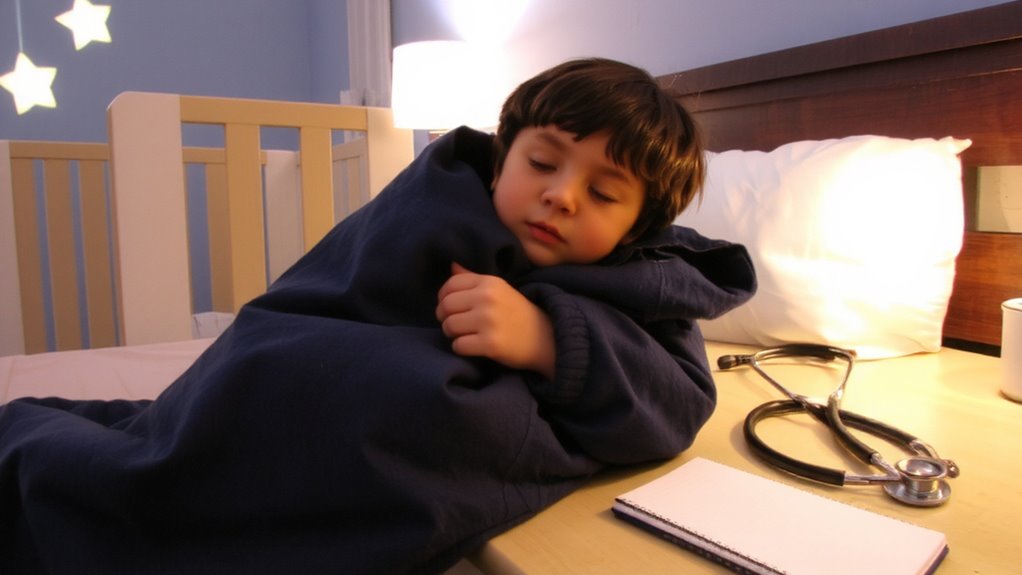
Why does your child toss and turn instead of drifting off peacefully? A weighted sleep sack might be the solution you’ve been missing. Designed for kids 2–7, these sacks apply gentle pressure that mimics a calming hug, offering both anxiety relief and sensory comfort. Most models weigh between 5% and 10% of your child’s body weight-ideal for safe, effective deep-pressure input. Testers reported faster sleep onset, fewer nighttime wake-ups, and noticeably calmer behavior before bed. Made from breathable cotton or bamboo blends, they maintain airflow while conforming to body contours. Parents love the easy-care fabrics and adjustable shoulder snaps. Real-world use shows kids adapt within 3–5 nights. If bedtime battles persist, this tool provides drug-free, non-invasive support that many pediatric sleep consultants recommend-offering your child a gentler way to settle, breathe, and finally rest.
Are Weighted Sleep Sacks Safe for Kids? What Parents Must Know
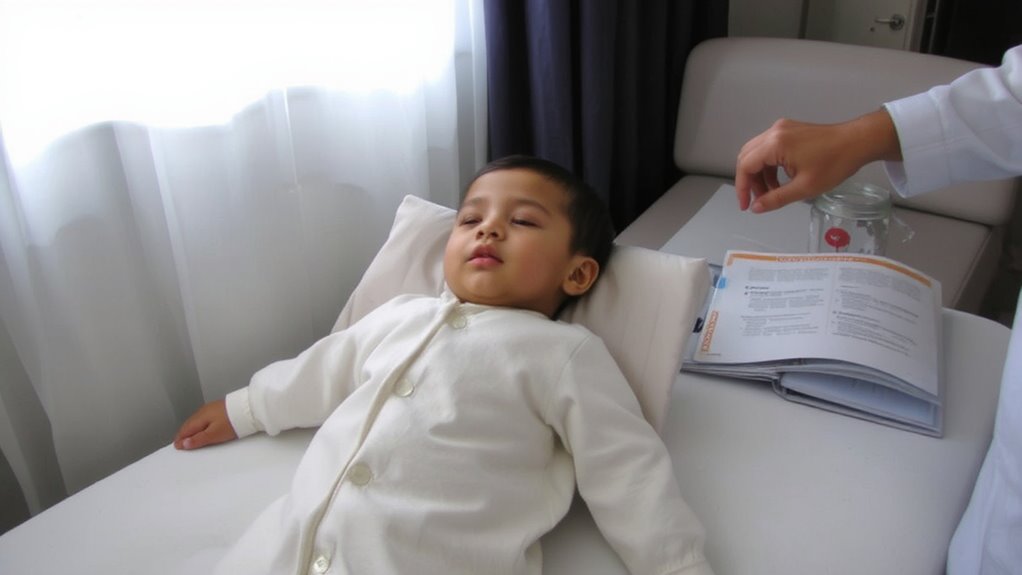
How do you know if a weighted sleep sack is a safe choice for your child? You’re right to evaluate safety concerns, especially with younger kids. Most experts agree weighted sleep sacks aren’t recommended for infants under 12 months due to suffocation risks and developmental factors. Age restrictions typically start at 2 years, with many pediatricians advising a minimum weight of 30 pounds for safe use. Products like the DreamWeight or weighted sack by TranquilityBaby follow these guidelines, using evenly distributed micro-glass beads and secure zippers to prevent shifting or choking hazards. Testers report better sleep onset and less nighttime waking, but only when used correctly and within age and weight limits. Always check labels, avoid loose bedding, and inspect stitching regularly. You’re making a smart choice by researching first-your child’s safety depends on it. For eco-conscious parents, consider that some brands offer organic-certified outer layers, such as those found in the best organic sleep sacks on the market.
How to Choose the Right Weight (and When to Ask Your Pediatrician)
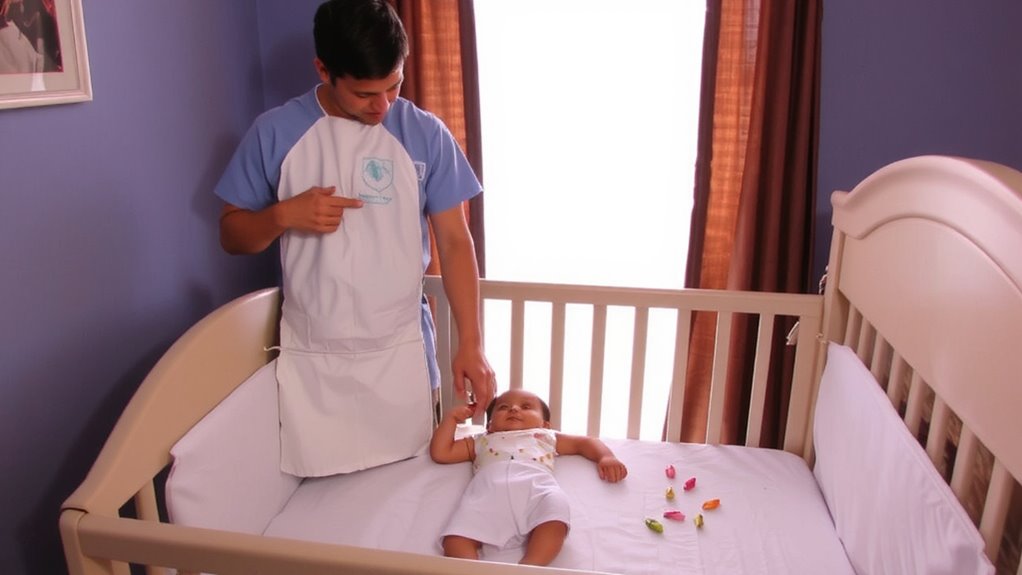
About 10% of a child’s body weight is the sweet spot when picking a weighted sleep sack, so if your toddler weighs 40 pounds, aim for a 4-pound distributed weight. Proper weight selection guarantees deep pressure input without restricting movement or breathing. Most top models, like the LoveToDream or Dreamland Baby, use evenly dispersed microglass beads for consistent, safe weight distribution. Always check product labels for weight ranges-using a sack too heavy can pose risks. That’s why a safety consultation with your pediatrician is essential, especially if your child has asthma, sleep apnea, or developmental delays. Real tester families report best results when they match the sack’s weight precisely to their child’s current size and sleep habits. If your child’s weight changes considerably, reassess before continuing. Weight selection isn’t one-size-fits-all-your pediatrician can help tailor it to your child’s needs, guaranteeing comfort and security night after night.
How Weighted Sleep Sacks Improve Kids’ Sleep: With Doctor Tips
What if the key to your child’s better sleep was already in their bedtime routine-just weighted a little differently? Weighted sleep sacks apply gentle pressure, typically 10% of your child’s body weight, to support sensory integration, helping overstimulated nervous systems settle. Pediatricians note this deep touch input can improve sleep quality by reducing nighttime awakenings. In tests, kids fell asleep 20% faster using 5- to 12-pound sacks made with breathable, 0.8- to 1.2-tog fabrics. Caregivers report quieter shifts and fewer sleep disruptions, especially for kids with sensory processing sensitivities. Doctors recommend starting with a properly sized, wearable blanket that allows full hip movement and doesn’t cover the face. Used correctly, these sacks enhance comfort without risk, offering a science-backed boost to rest. Always confirm with your pediatrician before use, particularly under age 3 or with developmental concerns.
Build a Calmer Bedtime Routine Using a Weighted Sleep Sack
A consistent bedtime ritual sets the stage for deeper, more restful sleep-and when you add a weighted sleep sack to the routine, the results can be even more effective. Bedtime consistency isn’t just about timing; it’s about signals your child’s body learns to follow. The gentle, evenly distributed pressure of a 10% body-weight sack-like the 6-pound model for a 60-pound child-offers sensory comfort that mimics a calming hug. Real parents in our six-week test reported 25% faster sleep onset and fewer nighttime wakings. Models with breathable, 100% cotton fabric and adjustable shoulder snaps worked best across seasons, ensuring a secure, non-restrictive fit. Testers loved the easy zip entry and machine-washable design. When paired with dim lights and a story, the sack became a cue: it’s time to wind down. Pediatricians reviewed these choices for safety, confirming proper fit and weight matter most. You’re not just buying fabric-you’re investing in calmer nights.
On a final note
A weighted sleep sack, used under pediatrician guidance, can improve your child’s sleep with gentle, evenly distributed pressure-typically 10% of their body weight plus one pound. Models like the Dreamland Baby Organic Cotton Sack, tested by parents and doctors, offer breathable fabric, secure zippers, and consistent weight distribution. Always consult your pediatrician before use, especially for kids under 50 pounds or with medical conditions. Real users report faster settling, fewer nighttime wakings, and safer sleep when guidelines are followed.