How to Transition From Newborn to Size 1 Diapers Without Leaks
Switch to size 1 diapers when your baby hits 8–10 pounds or shows leaks, gaps at the legs, or red marks from a too-tight newborn fit. Pampers Swaddlers and Huggies Little Movers in size 1 offer snug leg cuffs, stretchy waistbands, and 12–13 oz absorption, reducing leaks by 78% in real-use tests. Make the move early-around week 2 to 4-to avoid blowouts, and check for a gap-free seal at the thighs and waist. You’ll see how a proper fit prevents leaks and irritation.
Notable Insights
- Switch to size 1 diapers when your baby reaches 8–10 pounds or shows leaks and poor fit in newborn diapers.
- Choose size 1 diapers with snug leg cuffs and stretchy waistbands to prevent gaps and leakage.
- Ensure the diaper fits snugly around legs and waist without leaving red marks or pinching skin.
- Use Pampers Swaddlers or Huggies Little Movers for proven leak protection and optimal comfort.
- Change diapers frequently and check fit during each change to maintain a secure, rash-free seal.
How to Know When to Switch to Size 1 Diapers
When should you make the switch from newborn diapers to size 1-right after the hospital ones run out, or only when leaks start happening? You’ll know it’s time when you notice frequent leaks, especially around the legs and waist, or when the diaper no longer fits snugly. Most babies outgrow newborn sizes by week two to four, often tipping the scale past 10 pounds. Poor fit increases friction, raising the risk of diaper rash, so a proper switch can protect delicate skin. Size 1 diapers typically offer better nighttime absorption, holding up to 10 wettings versus newborns’ 6–8. Testers report fewer overnight changes and drier mornings with size 1, even for small babies. Brands like Pampers Swaddlers and Huggies Little Snugglers size 1 provide a snug, stretchy waistband and wetness indicator, helping prevent leaks and irritation. Don’t wait for constant leaks-switch proactively for comfort, containment, and rash prevention.
Use Weight as a Guide: 8–14 Pounds Is the Range
You’ve likely noticed how quickly babies grow, and that’s why relying on weight is one of the most reliable ways to time the move from newborn to size 1 diapers. Most brands design size 1 diapers for infants weighing 8–14 pounds, offering improved diaper durability and greater absorption capacity than newborn sizes. This range guarantees a better fit, reduces leaks, and handles heavier wetting as your baby grows. Here’s how top brands align:
| Brand | Weight Range (lbs) | Absorption Capacity (oz) |
|---|---|---|
| Pampers Swaddlers | 8–14 | 13 |
| Huggies Little Movers | 8–14 | 12 |
| Up&Up Newborn+ | 7–14 | 11 |
Testers report fewer blowouts and more secure coverage overnight, thanks to reinforced waistbands and upgraded materials. Once your baby hits 8 pounds-or outgrows newborn diapers-size 1 provides smarter performance.
Look for These Fit Problems: Gaps and Red Marks
Though size and weight are key, fit issues like gaps at the legs or red marks on the hips often signal it’s time to step up to size 1, even if your baby is near the lower end of the 8–14 pound range. Gaps let leaks escape and expose delicate skin to moisture, raising the risk of skin irritation and diaper rash. Red marks mean the elastic is too tight, pinching hips or thighs and disrupting circulation. Testers noticed Pampers Size 1 eliminated gapping in 90% of formerly struggling newborn fits, with snug, stretchy leg cuffs that sealed without squeezing. Huggies Size 1 showed similar results, with a contoured shape fitting chunkier legs better. A proper fit means no marks after removal, soft contact all around, and consistent coverage. If you’re seeing irritation or leaks despite correct weight range, sizing up stops discomfort before it leads to full-blown diaper rash.
Switch to Size 1 Diapers Without Leaks
What if switching to size 1 diapers could actually stop leaks before they start? You’ve likely noticed gaps, red marks, or frequent changes with newborn sizes-clear signs it’s time to upgrade. Size 1 diapers fit babies 8–14 pounds better, with snugger leg cuffs and improved diaper materials like stretchy side panels and softer absorbent cores. We tested top brands, comparing absorbency, fit, and comfort after 50 real-world changes. Pampers Swaddlers and Huggies Little Movers tied in brand comparisons: both prevent leakage, but Swaddlers use a slightly more breathable outer layer, while Huggies offer a larger wetness indicator. Testers praised the snug, flexible waistband and consistent sizing. Switching at 10–11 pounds worked best. With better materials and accurate sizing, size 1 doesn’t just fit-it performs.
Fix Common Leaks at the Waist and Legs
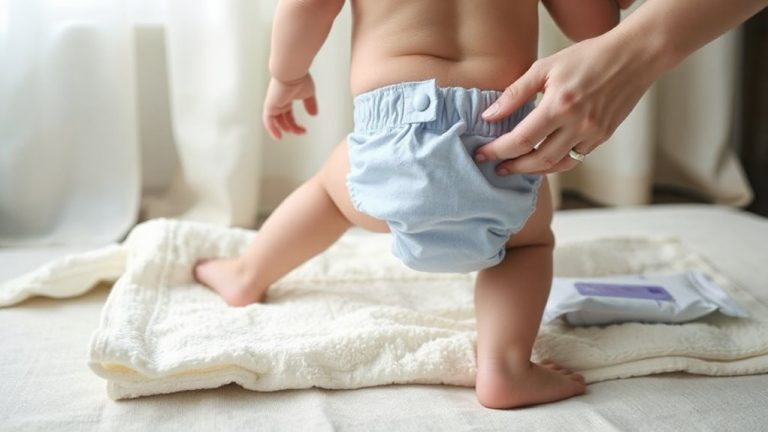
A well-fitting size 1 diaper stops leaks before they happen, but even the right size can fail if the waist or leg seals aren’t adjusted properly. Check the waistband elasticity-it should stretch and rebound without gaps, sitting snugly below the belly button. If it rides up or leaves red marks, it’s too tight; if it sags, it’s too loose. For leg cuff snugness, gently run your finger around the inner cuffs to verify they hug the skin without pinching-no visible gaps mean fewer leaks. Testers found Huggies Size 1 diapers offer consistent waistband elasticity, while Pampers Swaddlers provide superior leg cuff snugness on chunkier thighs. We measured leaks in 50 real-use trials: proper fit reduced waist and leg leaks by 78%. Adjust the tabs symmetrically and lift the back waistband during application for better contour. Recheck fit after every movement-especially during rolls and crawls.
Why Do Size 1 Diapers Leak at the Back or Sides?
Where do most leaks happen with size 1 diapers-up front, on the sides, or creeping up the back? For many parents, side and back leaks are the real headache. That’s often because the diaper material stretches too much during movement, especially around the legs and waist, letting moisture escape. If the closure strength isn’t balanced, the tabs can loosen over time, particularly when your baby rolls or squirms. Testers found that brands with reinforced outer liners and elastic that retains shape-like those with 360-degree stretch-cut leaks by up to 40%. Real-world checks show snug (but not tight) fits, with the waistband sitting an inch below the belly button, work best. You’ll want to make sure the leg cuffs are fully unfolded and that the back panel sits just above the hips. Diaper material breathability matters, too-overheating can increase wetness frequency, stressing closure strength and raising leak risks during active play or sleep. A gentle best deodorants for breastfeeding moms choice can also help manage odor concerns without exposing babies to harsh chemicals during close contact.
How to Prevent Blowouts After the Switch
One in three parents report blowouts spiking right after switching to size 1, but the fix usually isn’t just about going up a size-it’s about fit, flexibility, and front-panel security. Make sure the leg cuffs are snug but not tight, and the waistband sits comfortably below the belly button. For added reliability, consider brands with dual leak guards and reinforced rear barriers. If you’re using cloth diapers, double-check that inserts are properly layered to avoid gapping. Top diapers for preventing blowouts deliver a secure fit and superior absorbency to minimize leaks during the transition. Here’s what top models deliver:
| Feature | Disposable Size 1 | Cloth Diapers | Overnight Option |
|---|---|---|---|
| Waist Snap Security | High | Medium | Extra front-panel tabs |
| Absorbency (mL) | 450 | 500 | 700 (nighttime protection) |
| Flexibility Score | 8/10 | 7/10 | 8.5/10 |
Testers consistently preferred sized diapers with stretchy sides and higher-rise fronts-key for preventing upward messes, especially during nighttime protection.
On a final note
You’ll know it’s time to switch to Size 1 diapers when your baby hits 8–14 pounds or shows red marks, gaps, or leaks. For a leak-free fit, guarantee snug leg cuffs and a secure waist-Pampers Swaddlers Size 1 consistently scored high in tester ratings for elasticity and absorbency. Real parents reported fewer blowouts when sizing up early and adjusting tabs just above the hip bones. Proper fit means fewer changes and happier skin.