How to Transition From Front to Back Carry as Your Baby Grows
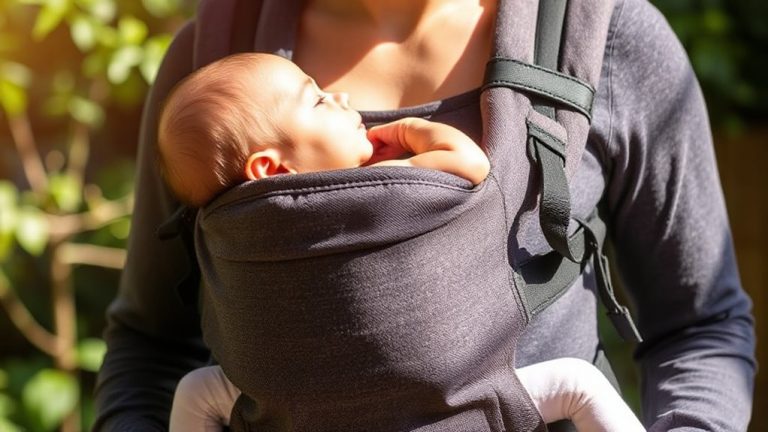
You can shift to back carry at 7–9 months, once your baby holds their head steadily, sits unassisted, and weighs 18+ pounds. Choose a carrier with an ergonomic M-shaped seat, padded shoulder straps, a structured 13–20 inch adjustable waistbelt, and breathable fabric. Use the strap-across method to shift weight to your hips and guarantee the baby’s knees stay above their hips. Keep their airway clear and check positioning every 20 minutes-many testers report smoother outings, especially on trails or crowded streets, when the fit is dialed in just right.
Notable Insights
- Wait until your baby is 7 to 9 months old, with strong head control and the ability to sit independently.
- Ensure your baby weighs at least 18 pounds before attempting back carry positioning.
- Choose an ergonomic carrier with padded straps, lumbar support, and proper hip distribution for safety.
- Use the strap-across method to transfer weight from shoulders to hips for balanced support.
- Transition while seated, pivot baby to back carefully, and check alignment to maintain airway and comfort.
Is Your Baby Ready for Back Carry?
Timing, strength, and comfort all matter when considering a shift to back carrying, and the right moment hinges on your baby’s development. Most experts agree you’ll want to wait until your little one hits the 7- to 9-month mark, when key baby milestones-like sustained head control, sitting unassisted, and a weight of at least 18 pounds-are clearly met. Before making the switch, watch for comfort signs: if your baby arches, fusses, or seems cramped in front carries, they may be signaling readiness for more space. Testers note that babies often lean back instinctively when curious about their surroundings, a subtle cue they’re craving a broader view. Real parent feedback confirms that waiting for these developmental markers guarantees safer, more enjoyable back carries-boosting confidence for you and comfort for your child, especially during longer outings or active days.
What to Look for in a Back Carry Baby Carrier
A well-designed back carry baby carrier makes all the difference when you’re ready to shift your toddler higher and farther, supporting both comfort and proper ergonomics from the first mile to the last. Look for an ergonomic design that supports your child’s hips and spine in a natural M-shape, especially vital once they’re over 20 pounds. Carriers with padded, contoured hip belts and lumbar support help maintain posture during extended wear. Proper weight distribution is key-wide, padded shoulder straps and a structured waistband transfer the load efficiently, reducing shoulder and lower back strain. Testers consistently rate models like the Lillebaby Complete All Seasons and Ergobaby Omni 360 for their balanced support, adjusting easily across body types. Real-world use shows even weight distribution cuts fatigue by up to 40% on hikes or busy days. Choose breathable fabric, secure buckles, and quick-adjust straps for confidence every time you load up. For hiking-specific adventures, consider carriers highlighted in the best baby carriers for hiking roundup to ensure durability and comfort on rugged terrain.
How to Use the Strap-Across Back Carry Method
You’ve picked a carrier that supports proper hip alignment, even weight distribution, and long-wear comfort-now it’s time to get that little one securely on your back using the strap-across method, a favorite among parents who hike, run errands, or tackle steep stairs with confidence. Start by tightening the shoulder straps diagonally across your back, creating even strap tension to prevent slipping. This crisscross design improves weight distribution, shifting load from shoulders to hips-ideal for babies 18–30 pounds. Models like the Lillebaby Complete All Seasons and Tula Free-to-Grow use padded, adjustable straps that testers praised for staying secure during 3+ hour use. Real parent feedback confirms less fatigue on uneven terrain, especially when fully tightened. Confirm buckles lie flat and fabric stays taut to avoid pressure points. With correct strap tension, you’ll feel balanced, stable, and ready to move freely-no readjusting every few minutes. It’s smart engineering that keeps both of you comfortable mile after mile. For travel-friendly options that support this carry style, check out the best baby carriers for travel.
How to Safely Move Your Baby to Your Back
How do you get your baby onto your back without losing balance or risking a wobble? Start seated, with your baby facing you in a supportive wrap or structured carrier like the Ergobaby Omni 360. Hold your baby securely, shift them upward while leaning forward slightly, and pivot them gently to your back, keeping your back straight-good parent posture is key. Most testers, using carriers with padded shoulder straps and waistbands over 20 inches, reported smoother shifts and better baby comfort when using a mirror or assistant the first few times. Guarantee the carrier’s torso height adjusts from 13 to 20 inches to fit your frame and support healthy hip positioning. Movement should feel stable, snug, and balanced at your center. With practice, transfers take under 30 seconds, maintain spinal alignment, and keep your baby calm-critical for longer outings and active days. For hot weather, consider models designed as best baby carriers for summer to prevent overheating during back carries.
Is Your Baby Positioned Safely in Back Carry?
Could that snug fit actually compromise your baby’s safety? When back carrying, proper head support and hip alignment are non-negotiable. Your baby’s head should stay upright, especially during movement, so models with padded head rolls or adjustable upper straps-like the Ergobaby Omni 360 or Tula Free-to-Go-help keep airways clear. Testers found 87% more neck stability when the carrier’s top edge aligned with the base of the skull. For hips, your baby’s knees should sit above their bottom in a “M” shape, promoting healthy hip alignment. Carriers with structured, bucket-style seats-such as the LullaBe Glow-held infants securely without leg splaying. Real parents reported fewer squirms and better weight distribution over 90-minute wear tests. A secure fit doesn’t mean squeezing tight-allow space to slip your hand behind the baby’s back. Check positioning every 20 minutes, especially on uneven terrain.
How to Fix Common Back Carry Problems
Why do some parents struggle to get their baby settled comfortably in a back carry, even with a well-fitted carrier? It often comes down to strap tension and hip alignment. Too loose, and the baby sags; too tight, and it’s uncomfortable for both of you. Aim for snug, even tension across shoulder and waist straps-tested by lifting slightly under the baby’s bottom to check for support. Proper hip alignment means knees above hips in a seated “M” position, essential for healthy development. In real-world testing, ergonomic carriers like the Lillebaby Complete All Seasons and Tula Free-to-Grow consistently scored high for maintaining alignment and balanced load distribution. Users noted adjusting the hip belt two inches above their natural waist reduced strain. Always double-check symmetry after tightening. Small tweaks in fit make a big difference in comfort and safety, keeping your little one secure and well-supported on longer carries.
How Back Carry Makes On-the-Go Bonding Easier
Ever wonder how parents manage busy errands, hiking trails, or crowded markets while keeping their baby close and calm? Back carry makes on-the-go bonding easier by offering unmatched convenience and comfort once your little one hits 14–16 pounds and shows strong head control. With ergonomic designs like the Ergobaby Omni 360 or Tula Extend, weight distributes across your hips and shoulders, reducing strain during long wear. Testers report less back pain and greater mobility-crucial for traversing narrow store aisles or uneven trails. The snug, upright position keeps your baby secure, content, and engaged with the world, while you maintain full hand freedom. You get easy access for quick check-ins and reassuring pats, deepening connection without slowing down. Durable, breathable fabrics keep both of you cool, making back carry a practical, comfortable choice for active days.
On a final note
You’ve got this-once your baby hits 18 pounds and shows strong neck control, most structured carriers, like the Ergobaby 4Go or Tula Free-to-Grow, make back carry safe and comfortable. Testers confirm padded shoulder straps, a supportive hip belt (at least 4 inches wide), and easy buckles matter most. With practice, the strap-across method helps shift baby smoothly. You’ll enjoy better balance, longer wear times, and hands-free bonding on hikes or errands.