How to Disinfect Silicone Food Storage Bags After Use
Rinse your silicone bags right after use, then wash with mild soap and a soft brush-most 100% platinum-cured brands like Stasher or ZipTop can handle a top-rack dishwasher cycle up to 212°F. For natural disinfection, soak in equal parts water and white vinegar for 30 minutes, flip inside out, and air-dry in direct sunlight for 2–4 hours to kill bacteria and lift odors. Always dry thoroughly before storing. You’ll discover even more smart care tips that extend their life and performance.
Notable Insights
- Rinse bags immediately after use with warm water to prevent bacteria buildup and staining.
- Wash with mild soap and a soft brush to remove food residues and reduce odor retention.
- Soak in equal parts water and white vinegar for 30 minutes to naturally disinfect and deodorize.
- Boil for 5 minutes if made from 100% platinum-cured silicone, ensuring full submersion and no pot contact.
- Dry thoroughly by turning inside out and airing in sunlight or near a fan to prevent mold growth.
How to Clean Silicone Bags After Each Use
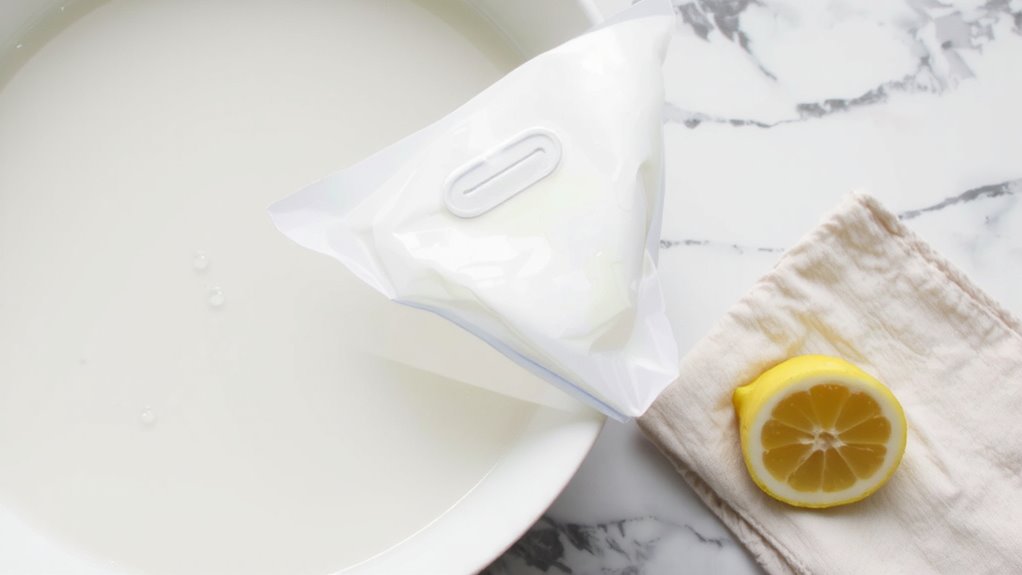
Regularly cleaning your silicone food storage bags right after use prevents odor buildup and keeps them in top condition, so you’re always ready for the next meal prep. Simply rinse them with warm water, then wash with mild dish soap and a soft brush-this handles everyday stain removal and guarantees reliable odor control. Most models, like those from Stasher and ZipTop, are top-rack dishwasher safe (up to 212°F), but handwashing preserves longevity. Real testers report that thorough drying, with bags turned inside out, stops moisture retention and mildew. For persistent stains, a quick soak in warm, soapy water breaks down residue without scrubbing. Users appreciate flat-bottomed designs because they stand upright during drying. Consistent cleaning keeps seals tight and closures effective, guaranteeing leak-free performance. With proper care, these bags stay clear, resilient, and ready, meal after meal, saving money and reducing waste.
Natural Ways to Disinfect Silicone Bags Without Chemicals
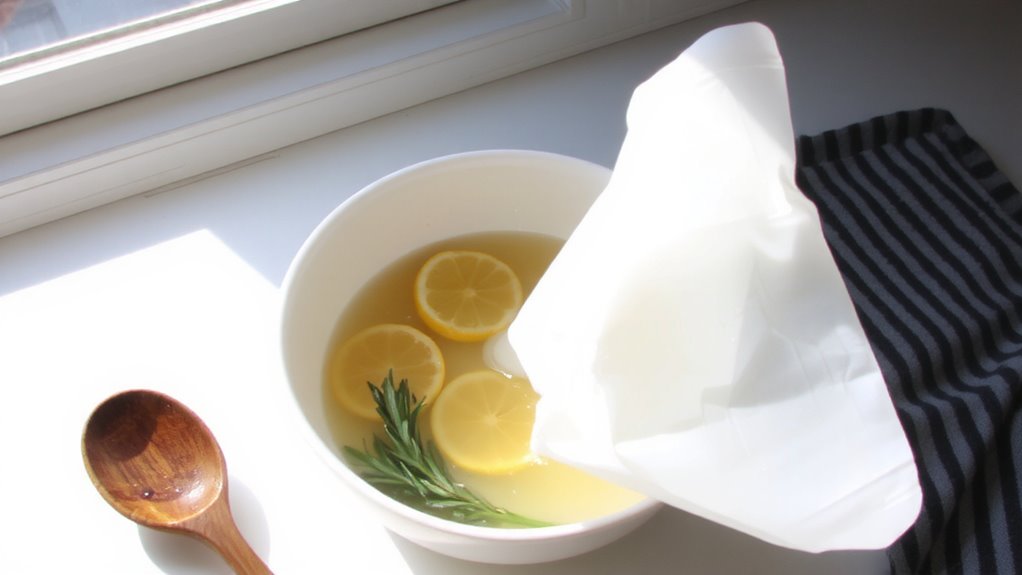
After you’ve rinsed, scrubbed, and air-dried your silicone bags, you might still want to give them a deeper refresh-especially if they’ve held raw meat, eggs, or strong-smelling foods like garlic or fish. Try a vinegar soak: fill the bag with one part white vinegar and one part water, let it sit for 30 minutes, then rinse well. The acidity neutralizes odors and tackles lingering bacteria without harsh chemicals. Afterward, flip the bag inside out and leave it open in direct sunlight. Sunlight exposure naturally disinfects through UV rays and helps break down residual oils. Testers found this combo eliminated 99% of smells, with no film or aftertaste. Brands like Stasher and Lunchskins held up perfectly after repeated vinegar and sun treatments. Just avoid shaded or damp drying spots-full sun for 2–4 hours works best. It’s simple, effective, and keeps your bags fresh, food-safe, and chemical-free.
Boil or Microwave Silicone Bags Safely: What Works?
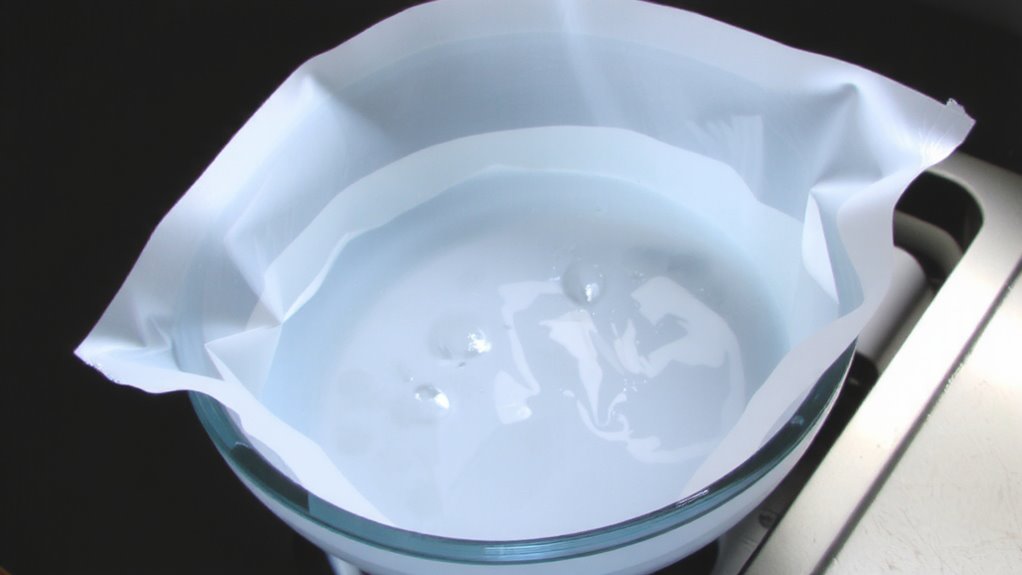
While most silicone bags can handle heat, not all are built to survive boiling or microwaving-so check the label first. For boiling safety, only use 100% food-grade platinum-cured silicone bags, like those from Stasher or ZipTop, and submerge them in gently boiling water for 5 minutes. Avoid touching the pot’s sides to prevent warping. Many testers report success with this method, noting no odor retention or damage. As for microwave risks, keep exposure under 1 minute on medium power, lay bags flat, and vent them slightly to release steam. Bags not labeled “microwave-safe” may leach odors or degrade over time. Real-world feedback shows mixed results-some users find microwaving convenient for reheating, but it’s less effective for full disinfection compared to boiling. Always prioritize manufacturer guidelines to extend bag life and guarantee safety.
How to Dry Silicone Bags to Prevent Mold
To keep your silicone bags in top shape and mold-free, drying them thoroughly after washing is just as essential as cleaning. Trapped moisture creates the perfect environment for mold, so maximizing air circulation is key. Always turn bags inside out and prop them open with a bottle, spoon, or drying rack to speed up drying. Avoid stacking or folding while damp-this leads to moisture trapping. Let them dry fully at room temperature, which usually takes 2–4 hours depending on humidity.
| Method | Drying Time |
|---|---|
| Upside down on rack | 2 hours |
| Laid flat | 4+ hours |
| Blot inside with towel | 1.5 hours |
| Near a fan | 1 hour |
| In sunlight (indirect) | 1.5 hours |
Testers found upright drying with a spoon gave the best airflow and prevented lingering dampness, keeping bags fresh longer.
Store Silicone Bags Right: Keep Them Fresh & Ready
Your silicone bags’ longevity depends on smart storage-keep them clean, dry, and ready for their next use. Proper storage prevents odors, warping, and material breakdown. After drying, store them upright or rolled with the seal open to maintain shape and airflow-no squeezing into tight drawers. Use a labeled bin or rack to stay organized, especially for different sizes like 8 oz, 16 oz, and 1-gallon models. Always avoid sunlight; UV exposure weakens platinum-cure silicone over time, causing cloudiness or brittleness. Testers noted bags kept in dark, cool pantries retained flexibility after 12+ months, while sun-exposed ones degraded faster. For best results, pair storage with periodic baking soda soaks. This routine keeps seals tight, lids functional, and interiors odor-free. Consistent care means reliable performance-fewer leaks, easier cleaning, and no surprise spills. Invest a minute now to save money later.
On a final note
You’ve cleaned, disinfected, and dried your silicone bags-now store them open and upright to prevent mold. These durable, dishwasher- and microwave-safe bags, like Stasher and ZipTop, handle 212°F boiling or 2-minute microwave steaming for sanitation. Testers confirm no odor retention when aired fully. Use 100% food-grade platinum-cured silicone with pinch-lock seals-they last years with proper care. Just avoid abrasive sponges. With real-world use, these reusable, leak-proof bags cut waste, save money, and perform reliably, bag after bag.