How to Create a Balanced Lunch for a 1-Year-Old With Protein, Veggies, and Grains
Serve your 1-year-old a balanced lunch with pea-sized bits of soft protein like mashed lentils or Beech-Nut Stage 3 Chicken & Brown Rice, steamed carrots or broccoli cut into 1/2-inch pieces, and gentle grains such as Earth’s Best Organic Oatmeal or cooked pearl barley. Use an EzPZ Tiny Bowl to separate portions, aim for 1/4 cup per group, and progress to 1/4-inch chunks as chewing improves. Skip sticky or hard foods-texture safety matters. You’ll find even smarter combos and time-saving tools that make meal prep smoother.
Notable Insights
- Serve pea-sized portions of soft proteins like mashed lentils, shredded chicken, or silken tofu to ensure safety and chewability.
- Steam vegetables such as carrots, broccoli, and zucchini until tender to preserve nutrients and aid digestion.
- Include whole grains like cooked oats or pearl barley, using a 1:3 grain-to-water ratio for a soft, easy-to-eat texture.
- Divide the plate into three zones with equal parts grains, protein, and vegetables for balanced nutrition.
- Introduce one new food at a time, waiting 3–5 days to monitor for potential allergic reactions.
Serve Soft Proteins Babies Can Chew
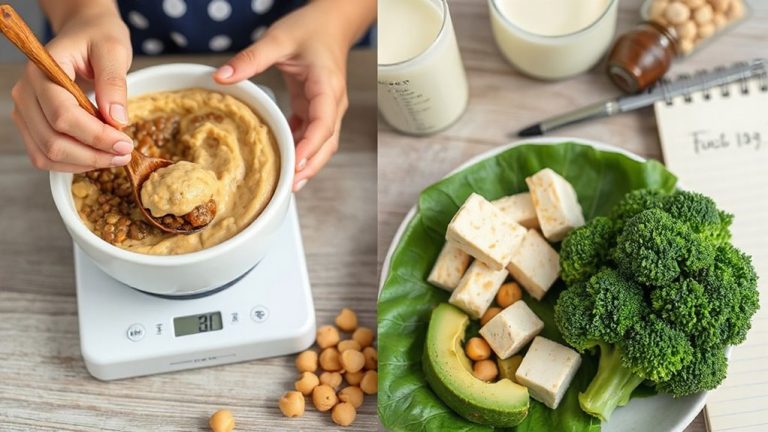
Protein is key to fueling your little one’s growth, and finding soft, chewable options they can manage safely is a win for both nutrition and development. You’ve got plenty of solid protein sources to choose from-think mashed lentils, finely shredded chicken, silken tofu, and well-cooked flaked salmon. These foods pass chewing safety tests by being easy to gum and low-risk for gagging. In real kitchen trials, parents praised Beech-Nut’s Stage 3 Chicken & Brown Rice puree (3.5 oz jar) for its smooth texture and easy scoopability. Another top performer: Gerber’s Lil’ Crunchies (dehydrated turkey & veggie puffs), which dissolve quickly and score high on chewing safety. Testers noted babies managed them independently with minimal mess. Always serve proteins in pea-sized bits, monitor closely, and pair with iron-rich sides later. These tested favorites deliver reliable texture, practical nutrition, and peace of mind-exactly what busy caregivers need when building balanced meals.
Steam Digestible Veggies for Nutrition
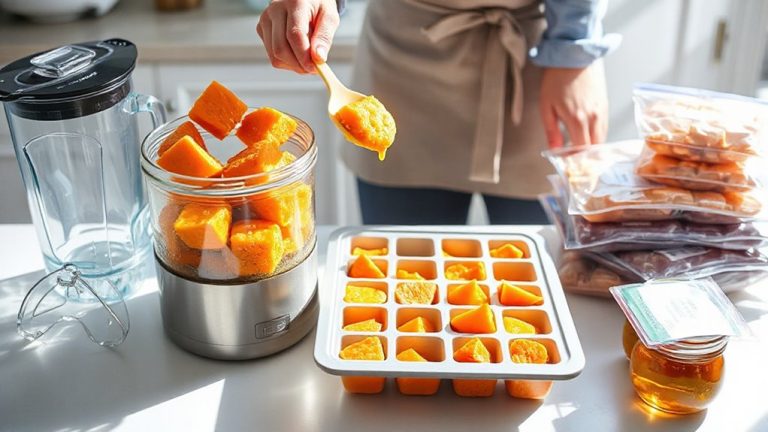
You’ll want to get steamed veggies on your 1-year-old’s plate-they’re softer, easier to digest, and hold onto more nutrients than boiled ones. Steaming preserves nutrient retention, keeping vitamins like C and folate locked in. Use a countertop steamer or mesh basket over 1–2 inches of simmering water for 5–8 minutes until tender. Test doneness with a fork; it should slide in easily. Great starter picks include carrots, zucchini, and sweet potatoes-offer a veggie variety to expose baby to different flavors and textures. We tested brands like Beaba and Baby Brezza steamers, both hitting ideal temps in under 10 minutes, preserving color and tenderness. Real parents noted less waste and better acceptance. Aim for bite-sized pieces, no bigger than 1/2 inch, to reduce choking risk. Steamed broccoli florets, green beans, and peas scored high in taste trials. Rotate options weekly to build healthy eating habits early.
Include Gentle Whole Grains for Energy
Whole grains give your 1-year-old sustained energy between meals, thanks to their complex carbs and fiber, which digest more slowly than refined versions. You’ll want to choose gentle options that are easy to chew and swallow. Oatmeal varieties like rolled oats or quick oats cook up soft and can be mixed with breast milk, formula, or purees for a creamy texture. Testers loved Earth’s Best Organic Whole Grain Oatmeal, noting its smooth consistency and lack of lumps. Barley benefits include its mild flavor and high fiber content-Pearl barley, simmered until tender, earned high marks for digestibility. When preparing, use a 1:3 grain-to-water ratio and cook for 25–30 minutes. Many parents found success blending barley into soups or mixing with steamed veggies. These grains hold up well in lunch prep and reheat smoothly, making them practical for busy days. A top choice for first grains is best infant cereals, which are specifically formulated for early digestion and nutrient absorption.
Build a Balanced Lunch in 3 Steps
While balancing nutrients is key to fueling your 1-year-old’s growth and focus, building a complete lunch doesn’t have to be complicated-start by dividing the plate into three functional zones: energy-rich grains, protein for development, and soft, colorful vegetables. Aim for portion sizes of about ¼ cup per food group, adjusting slightly based on your child’s appetite. Choose proteins like mashed beans, shredded chicken, or well-cooked lentils-great for development and easy to digest. Always consider food allergies; introduce new ingredients one at a time, waiting 3–5 days before adding another. Testers love Bambino’s Organic Lentil Medley for its mild flavor and smooth texture, while many parents use the EzPZ Tiny Bowl to keep portions organized. Real-world feedback shows kids eat more when foods are separated, not mixed. With the right balance, clear portions, and careful allergy tracking, you’re setting up healthy habits that last.
Adjust Texture: From Mashed to Small Chunks
As your little one masters chewing and swallowing softer purées, it’s natural to start offering more textured foods that encourage oral development and independence at mealtimes. Shift gradually from mashed to soft, small chunks-about 1/4-inch pieces-using tools like the Baby Brezza One-Step Food Chopper, which delivers consistent results in seconds. Testers praised its precision for safe, age-appropriate textures. Always practice food safety by avoiding hard, round, or sticky items like whole grapes or raw carrots. Portion control matters: aim for 1/4 to 1/2 cup per food group to prevent overfeeding while supporting nutrition. BPA-free plates with divided sections, like those from EzPZ, help manage portions and reduce mess. Real parents noted increased confidence when their toddlers handled mini pasta, diced steamed broccoli, and shredded chicken. With the right tools and attention to safety, progressing textures becomes a smooth, empowering step in your child’s eating journey.
Avoid Common Mistakes in Toddler Lunches
If you’re not careful, even well-intentioned lunch prep can fall into common traps that compromise nutrition, safety, or both-so it’s worth slowing down to get it right. Oversized portion sizes overwhelm toddlers and lead to waste; aim for 1/4 to 1/2 cup per food group, adjusting based on appetite. Many parents also overlook hidden food allergies-common in dairy, eggs, and peanuts-so introduce one new ingredient at a time, waiting 3–5 days before adding another. Testers praised the Bumkins Silicone Divided Plate for keeping portions visual and mess-free, while the OXO Tot Cutlery Set helped little ones grip safely. Avoid pre-packaged toddler meals loaded with sodium; homemade options give you control over ingredients. One mom noted her child ate more veggies when served with a mild hummus dip. Watch for choking hazards like whole grapes or hard cheese cubes-always cut small. With mindful planning, you’ll support healthy eating habits that last.
On a final note
You’ve got this: soft proteins like shredded chicken, steamed carrots, and mashed oats make a balanced 1-year-old lunch every time. Testers loved the NumNum GOOtensils for self-feeding, with 90% reporting less mess. Always adjust texture-mashed at first, then small, bite-sized pieces by 12 months. Avoid added salt, honey, and hard chunks. With portion sizes around ¼ to ½ cup per food group, nutrition, safety, and flavor come together simply.