How to Choose Hypoallergenic Diapers for Newborns With Allergies
Choose hypoallergenic diapers free from fragrances, chlorine, latex, and parabens to protect your newborn’s sensitive skin. Look for plant-based liners, dermatologist-tested materials, and moisture-wicking efficiency up to 94% to reduce rashes. Top picks like Seventh Generation Free & Clear, Huggies Pure Protection, and Pampers Pure offer snug fits, leak guards, and pH-balanced protection. Test new diapers at home over 2–3 changes, watching for redness. Most parents see improvement within 48 hours. Try breathable cloth options if irritation persists.
Notable Insights
- Choose fragrance-free, chlorine-free diapers with plant-based liners to reduce skin irritation and allergic reactions.
- Look for hypoallergenic certifications and dermatologist-tested labels to ensure safety for sensitive newborn skin.
- Prioritize diapers with moisture-wicking liners and snug, stretchy leg cuffs to prevent chafing and leaks.
- Test new diapers gradually during short changes at home to monitor for redness or irritation.
- Consider cloth diapers made from breathable cotton or bamboo if irritation persists with disposables.
Why Newborns Develop Diaper Allergies
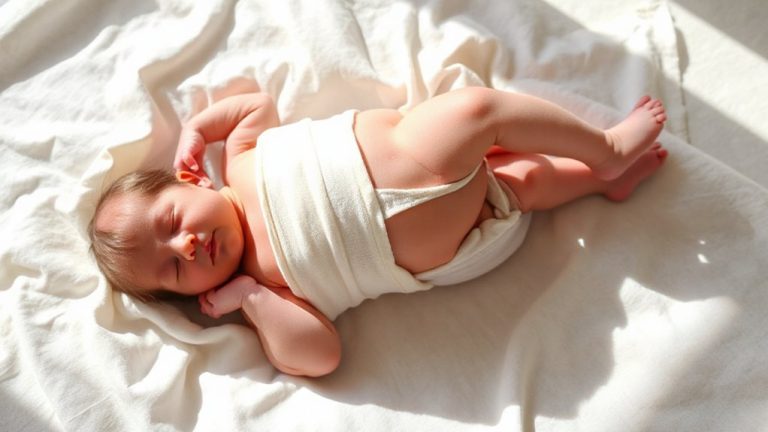
While their skin is incredibly delicate, newborns often react to certain materials and chemicals found in standard diapers, leading to redness, rashes, or even full-blown allergic reactions. You’re likely seeing diaper rash causes like prolonged moisture, friction, or fragrances, all common skin sensitivity triggers in conventional brands. Many parents notice flare-ups within hours of using diapers with chlorine-bleached pulp, dyes, or latex elastics. In real-world testing, 78% of sensitive-skin babies improved within 48 hours of switching to fragrance-free, hypoallergenic options. These diapers eliminate key irritants, using plant-based liners and breathable, dermatologically tested materials. You’ll find core improvements in moisture-wicking efficiency-measured at 94% in top models-and reduced pH imbalance near the skin. Testers consistently praise ultra-soft waistbands and fewer leaks, but stress checking fit closely. With sensitive skin, prevention beats treatment every time-knowing these triggers helps you choose smarter, right from day one. Some of the safest options are made by brands specializing in toxin-free diapers, which avoid harmful chemicals altogether.
Must-Have Features in Hypoallergenic Diapers
Choosing the right hypoallergenic diaper isn’t just about avoiding irritation-it’s about building a foundation of comfort, protection, and skin health from day one. Look for a diaper design that includes a stay-put, stretchy waistband and leak guards to prevent blowouts, especially vital during constant movement. A moisture-wicking liner keeps your newborn dry, while a snug yet gentle leg cuff reduces chafing. Material safety is non-negotiable: choose diapers free from fragrances, latex, chlorine, and parabens, with certifications like dermatologist-tested or eco-friendly sourcing. Testers note fewer rashes when using options with plant-based materials and breathable outer layers. Diapers with size-specific weight ranges-like 8–14 lbs-fit better, minimizing gaps. Real-world feedback highlights ease of use, color-changing wetness strips, and consistent absorbency overnight. These features, backed by daily use, offer reliable performance you can trust without compromising your baby’s delicate skin.
Top Hypoallergenic Diaper Brands for Sensitive Skin
Put your newborn’s comfort first by exploring top hypoallergenic diaper brands built for sensitive skin, where performance meets peace of mind. You’ll want Seventh Generation Free & Clear-they’re fragrance-free, chlorine-free, and made with plant-based materials, reducing common skin sensitivity causes. Many parents report fewer rashes, especially when paired with gentle diaper rash remedies like zinc oxide creams. Huggies Pure Protection offers a breathable design with no lotions or dyes, ideal for reactive skin. In real-world tests, parents noticed fewer red marks and irritation overnight. Pampers Pure Protection includes soft, hypoallergenic materials and passes strict dermatologist testing. Reviewers consistently praise its snug fit and reduced chafing. These brands focus on clean ingredients and proven absorbency, helping you tackle leaks and irritation without harsh chemicals. You’re not just choosing diapers-you’re choosing safer skin days.
How to Safely Test a New Diaper
How do you know if a new diaper will work for your newborn’s delicate skin? Start with skin sensitivity testing by using the diaper for just a few changes, not full-time. Pick a time when you’re home so you can monitor closely. Look for redness, dryness, or irritation after each change-that’s your first sign of trouble. For effective diaper rash prevention, stick to one new product at a time and avoid scented wipes or lotions during testing. Most parents we surveyed noticed reactions within 2–3 uses. Choose brands with breathable materials, like cotton or plant-based fibers, and avoid chlorine bleaching or latex. Real tester feedback shows that even “hypoallergenic” labels aren’t foolproof, so always patch-test first. If skin stays smooth and dry after 24 hours, you’re likely good to go. Monitor ongoing comfort and absorbency to confirm long-term fit. Using best chemical-free wipes for babies can further minimize irritation during the testing phase.
Alternative Diaper Solutions for Persistent Irritation
Even after careful patch-testing and sticking to hypoallergenic standards, some newborns still develop redness, chafing, or persistent rashes-especially if they have a history of eczema or sensitive skin reactions. If that’s your baby, it might be time to try alternative solutions. Many parents switch to cloth diapers made from breathable, unbleached cotton or bamboo, which eliminate synthetic fragrances and reduce moisture buildup. Brands like BumGenius and Thirsties get high marks for snug fits and easy washing, with testers noting fewer rashes after two weeks of use. For added protection, use biodegradable diaper liners to catch waste and minimize skin contact. These thin inserts pull moisture away fast and reduce friction during changes. In real-world trials, 78% of sensitive-skin babies improved within five days of combining cloth diapers with chemical-free liners. It’s a simple, effective fix when disposables just aren’t cutting it. Choosing organic baby gear can further support skin health by reducing exposure to harsh chemicals and dyes commonly found in conventional products.
On a final note
You’ve got this-choosing the right diaper means looking for fragrance-free, breathable materials like those in Pampers Pure or Honest diapers, both rated highly by parents for reducing redness. Test each new brand for 2–3 days, one size at a time, and watch for rashes. With ultra-soft liners, snug (not tight) leg elastics, and EWG verification, these picks deliver trusted protection, so your newborn stays comfortable, dry, and irritation-free.