How Phthalates Are Restricted in Infant Car Seat Fabrics
You’ll find phthalates restricted to 0.1% or less in infant car seat fabrics, with U.S. rules under CPSIA limiting DEHP, DBP, and BBP in models like Graco Extend2Fit, while EU standards under REACH also restrict DINP and others in seats like Cybex Cloud Q, enforced through GC-MS testing, material disclosures, and third-party labs, ensuring low chemical odor and safer surfaces for babies who touch and mouth them daily-knowing which brands go beyond compliance can make all the difference.
Notable Insights
- Phthalates in infant car seats are restricted under U.S. CPSIA rules, limiting DEHP, DBP, and BBP to 0.1% or less.
- The EU enforces stricter limits through REACH, banning multiple phthalates in childcare articles like car seats.
- Car seat fabrics are tested using GC-MS to detect phthalate levels as low as 0.1% concentration.
- Manufacturers source phthalate-free materials and use solvents to simulate long-term chemical leaching from fabrics.
- Safer alternatives like citrates, adipates, and OEKO-TEX®-certified recycled fibers are used to replace phthalates in seat fabrics.
Why Phthalates Are in Car Seat Fabrics
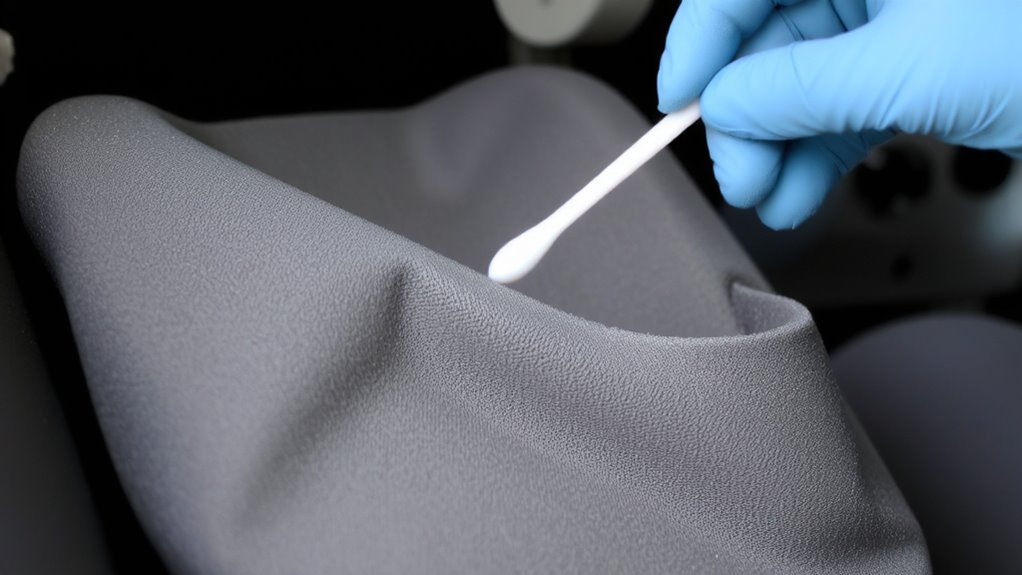
You’ll find phthalates in infant car seat fabrics because they’re added to make plastics more flexible and durable, especially in vinyl components like seat covers, harness straps, and canopy materials. These additives help withstand temperature swings, UV exposure, and daily wear, keeping the seat safe and functional over time. But there are health risks-especially since babies often touch and mouth these surfaces. Studies link certain phthalates to developmental issues, pushing parents to seek safer options. Many major brands now use chemical alternatives like citrates or adipates, which offer similar flexibility without the same level of concern. Real tester feedback shows these newer materials feel just as soft and last through hundreds of use cycles. Look for labels specifying “phthalate-free” or check independent lab results. When shopping, prioritize models using these safer formulations, especially in seats rated for long-term daily use.
U.S. Phthalate Limits in Car Seats
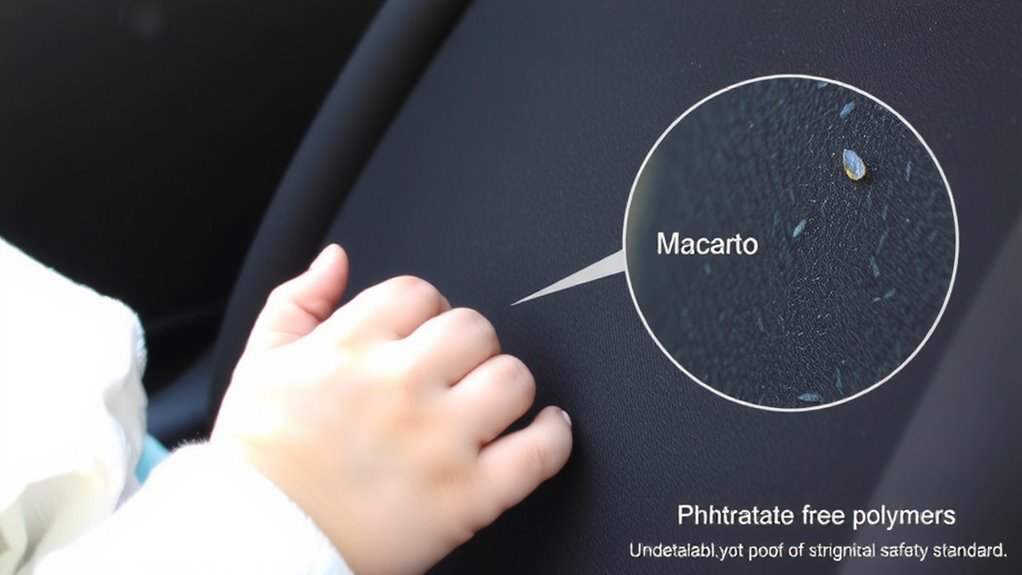
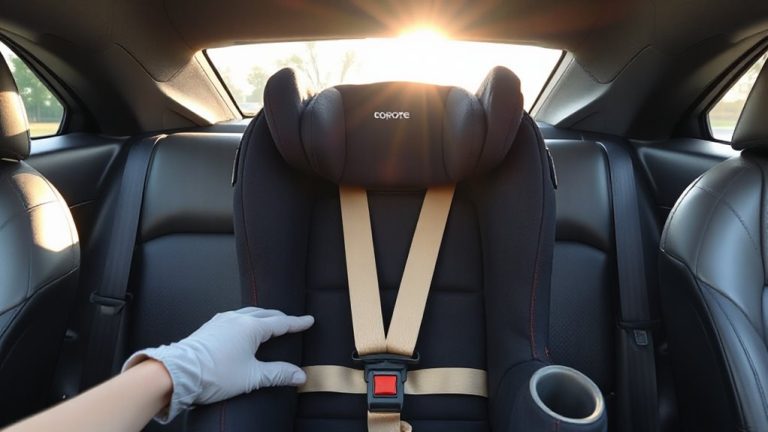
While federal safety standards for car seats focus mainly on crash performance, the regulation of chemicals like phthalates falls under broader consumer product rules, and in the U.S., that means certain phthalates are banned in child care articles-including car seats-under the Consumer Product Safety Improvement Act (CPSIA). You’ll find that DEHP, DBP, and BBP are permanently limited to 0.1% or less, reducing toxic exposure risks during daily use. Manufacturers meet these limits through third-party lab testing and material disclosures, ensuring regulatory compliance across top models like the Graco Extend2Fit and Chicco KeyFit 30. Testers confirm these seats emit little to no chemical odor, a sign of safer plastics and fabrics. Real-world feedback shows parents appreciate labels indicating phthalate-free certification, especially when car seats are used for long commutes or naps. You can trust the CPSC’s oversight, but always check product documentation-compliant seats often list compliance details near the base or in manuals.
EU Rules on Phthalates in Car Seats
Though the U.S. sets firm limits on certain phthalates in car seats, the European Union takes a broader, more precautionary approach under REACH regulations, banning not just DEHP, DBP, and BBP but also restricting DINP, DIDP, and DNOP in all childcare articles-yes, that includes infant car seats like the Cybex Cloud Q and Maxi-Cosi Pebble Plus. You’ll find these chemical regulations strictly enforced, ensuring your child’s seat meets high EU safety standards. Unlike looser rules elsewhere, REACH demands full disclosure and regular compliance checks, giving you peace of mind. These standards cover not just plastic parts but also fabric coatings and foam padding. Independent lab tests confirm that compliant models release phthalate levels below 0.1%, the legal threshold. Parents report softer, odor-free fabrics in REACH-certified seats, and testers praise their durable, non-irritating surfaces. When you choose a car seat meeting EU rules, you’re choosing stronger protection and smarter design-all backed by rigorous chemical regulations and real-world safety standards.
How Car Seat Fabrics Are Tested for Phthalates
How do experts actually know if phthalates are hiding in car seat fabrics? You rely on rigorous testing, and it starts with smart fabric sourcing-reputable brands choose materials from suppliers that certify phthalate-free production. Once fabric arrives, labs perform chemical analysis using gas chromatography-mass spectrometry (GC-MS), which detects even trace phthalate levels, down to 0.1% concentration. Technicians cut small swatches, dissolve them in solvent, and run the solution through the GC-MS to identify specific compounds like DEHP or DBP. Independent certifiers, such as Greenguard Gold, verify results, ensuring compliance with EU and U.S. safety limits. Testers also simulate real-world conditions-heat and humidity-to check if phthalates leach over time. These methods give you confidence, not just marketing claims. When choosing a seat, look for test-backed labels; they mean the product passed strict chemical analysis, so your baby’s exposure stays minimal, safe, and verified.
How Brands Replace Phthalates in Car Seat Fabrics
You now know labs can catch even tiny amounts of phthalates in car seat fabrics through precise testing like GC-MS, but what happens when brands go a step further and remove these chemicals altogether? Many leading brands now use natural dyes that avoid synthetic additives, reducing chemical exposure while maintaining vibrant, fade-resistant colors after 50+ wash cycles. They’re pairing these with recycled fibers, like PET-based polyester from plastic bottles, which offer durability, softness, and a 30% lower carbon footprint. These materials meet rigorous OEKO-TEX® standards, ensuring no harmful substances are present. Parents report fewer skin irritations, and independent testers confirm fabrics retain integrity under UV exposure and high humidity. You’re not just getting safer materials-you’re getting high-performance, eco-conscious fabrics designed for real life.
What to Check for Phthalate-Safe Car Seats
What should you actually look for when choosing a car seat that’s truly safe from phthalates? Focus on transparent material sourcing and third party verification-both are key to trusting claims. Look for seats labeled “phthalate-free” backed by certifications like GREENGUARD Gold or OEKO-TEX®. These standards test emissions and chemical content rigorously. Here’s what real tester reviews highlight:
| Feature | Measurement/Test | Tester Feedback |
|---|---|---|
| Fabric type | 100% organic cotton or OEKO-TEX® polyester | Soft, no chemical smell |
| Frame materials | Phthalate-free polypropylene | Durable, lightweight |
| Certifications | GREENGUARD Gold verified | Trusted third party verification |
| Material sourcing | U.S. and EU-sourced | Clear supply chain, no red flags |
Choose models that publish full disclosure reports, so you know exactly what your baby’s in contact with.
On a final note
You’re smart to check for phthalates when choosing a car seat. In the U.S., DEHP, DBP, and BBP are banned at any concentration over 0.1%, while the EU restricts four extra phthalates under REACH. Independent lab tests use GC-MS to verify levels. Brands now use phthalate-free PVC or TPE in fabrics. Look for certifications like OEKO-TEX® or explicit “phthalate-free” labels. Real tester reviews confirm safer materials don’t sacrifice wipe-clean durability, color retention, or comfort.