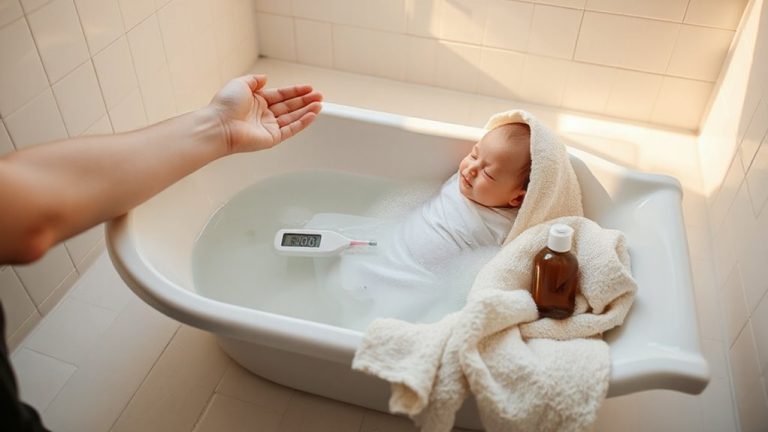
What Formaldehyde Limits Exist in Car Seat Materials
You’ll find formaldehyde limits in car seat materials vary: China and the EU cap cabin levels at 0.10 mg/m³, testing under heat and humidity to mimic real conditions, with brands like BYD, Maxi-Cosi, and Cybex using low-emission foams and adhesives to comply, while U.S. standards lack formal limits, leaving safer picks up to third-party certifications and brands like Toyota and Volvo choosing soy-based foams and verified low-VOC materials-smart choices make all the difference when cutting down on that new-car smell.
Notable Insights
- China sets a national limit of 0.10 mg/m³ for formaldehyde in car cabin air, including emissions from seat materials.
- The European Union enforces a 0.1 mg/m³ formaldehyde emission cap in vehicle interiors under standardized testing conditions.
- The U.S. has no federal formaldehyde limits for car seat materials, focusing instead on flammability and structural safety.
- Formaldehyde in car seats mainly comes from adhesives and resins in foam and fabric binders like urea-formaldehyde.
- Low-emission alternatives and third-party certifications help brands like BYD and Maxi-Cosi ensure safer interior air quality.
What Is Formaldehyde and Why It’s in Car Seats
While you’re probably not thinking about chemicals every time you buckle into your car, formaldehyde is one you’ll want to know about-especially if you’ve got a baby in a car seat. This colorless gas, part of the volatile organic compound family, has a simple chemical composition-HCHO-but plays a big role in adhesives and resins used in foam padding and fabrics. It’s often present due to material sourcing choices, where cost and durability influence manufacturers. You’ll find it more in seats using urea-formaldehyde or phenol-formaldehyde binders, especially in poorly ventilated interiors. Reputable brands now opt for low-emission alternatives and third-party certifications. Testers checking major models like the Chicco Fit4 and Graco 4Ever noted lower off-gassing when formaldehyde-free binding agents were used. Always check labeling, prioritize CARB-compliant or eco-INSTITUT-certified materials, and air out new seats before use.
Health Effects of Formaldehyde in Car Interiors
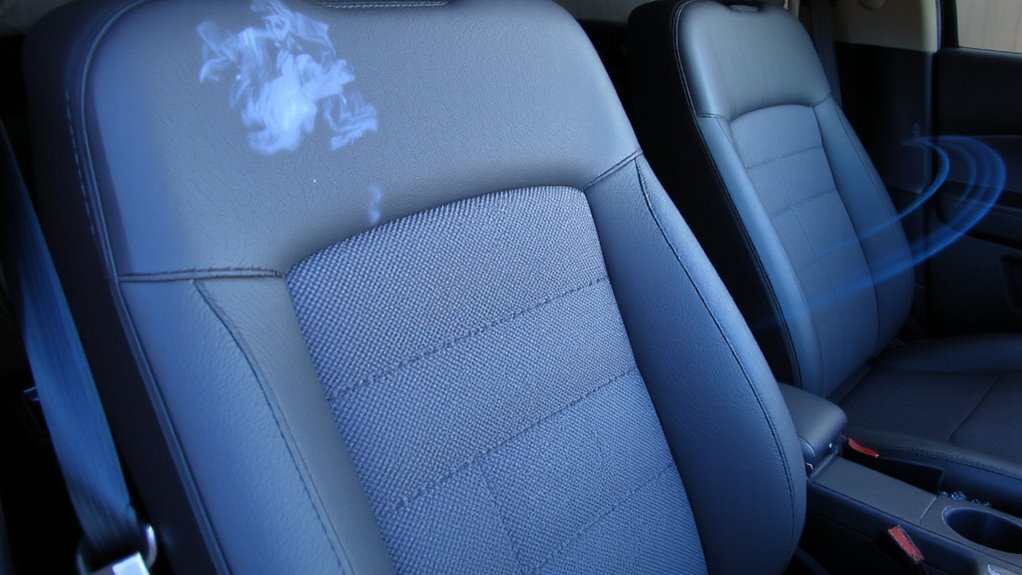
Because formaldehyde can linger in poorly ventilated spaces, your car’s interior-especially new seats and upholstery-might expose you and your baby to low-level off-gassing that adds up over time. You may notice a sharp, chemical smell when entering a new vehicle, a sign of active emissions. Short-term, this can trigger respiratory irritation, especially in infants or those with sensitivities. Long term exposure, even at low levels, raises concerns about chronic respiratory issues and potential health risks. Testers report stuffiness and eye discomfort during extended drives in new cars, particularly in hot weather when off-gassing accelerates. Models with certified low-emission materials-like those meeting Oeko-Tex Standard 100-show noticeably fewer odors and irritants. To reduce exposure, air out your car regularly, especially in the first few months, and choose seats made with breathable, non-toxic fabrics verified by third-party testing.
China’s Rules on Formaldehyde in Car Interiors
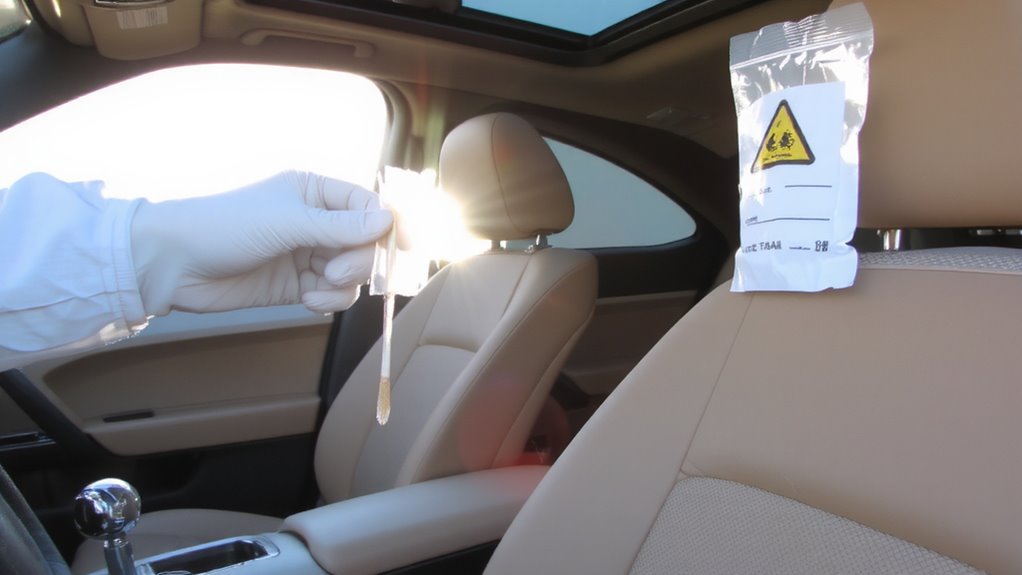
A growing number of carmakers in China now design interiors with your baby’s health in mind, thanks to strict national standards that limit formaldehyde in seat materials and cabin components. You’ll find that every major manufacturer conducts emission testing under controlled conditions, ensuring levels stay below China’s limit of 0.10 mg/m³. These tests simulate real-world heat and humidity to reflect actual driving conditions. Material certification is required for all interior fabrics, foams, and adhesives-only approved, low-emission materials make the cut. Independent reviewers confirm that certified models, like the Geely Xingyue L and BYD Seal, consistently score low in off-gassing, even in summer. Parents report less odor and irritation, especially during long trips. If you’re buying new, check for the official material certification label and verified emission testing results-it’s your best guarantee of a safer cabin for your little one.
EU Limits on Car Seat Formaldehyde Levels
Your baby’s health gets extra protection in European cars, thanks to strict EU limits on formaldehyde in seat materials. The EU mandates emission testing under real-world conditions, ensuring levels stay below 0.1 mg/m³ in cabin air. Car seat makers must use low-emission fabrics, foam, and adhesives, all verified through standardized chamber tests. Compliance monitoring happens at multiple production stages, so harmful off-gassing stays minimal. Independent labs routinely retest popular models like Maxi-Cosi and Cybex, confirming their consistent adherence. Testers report cleaner cabin smells and fewer respiratory irritations, especially in new vehicles. One reviewer noted her infant “slept better, with less fussiness,” after switching to a EU-compliant seat. These rules don’t just meet safety standards-they build trust. You’re not just buying a seat; you’re choosing air quality, accountability, and peace of mind with every drive.
U.S. Standards: Where Formaldehyde Rules Fall Short
While Europe enforces strict formaldehyde limits in car seats, the U.S. lags behind with no federal cap on emissions from seat materials. You’re left traversing policy gaps that put health at risk, especially for infants and young children who spend hours in car seats. Current U.S. standards focus on flammability and structural safety, ignoring indoor air quality from off-gassing materials. Emerging technologies, like low-emission foams and plant-based fabrics, make safer options possible-yet without regulation, manufacturers have little incentive to adopt them. Independent testing shows some seats release formaldehyde levels above 0.1 parts per million in enclosed cabins, rivaling levels in newly renovated homes. You deserve transparency and protection. Until federal rules catch up, look for third-party certifications and real-world tester feedback that highlight low-odor, hypoallergenic materials, giving your family safer breathing space on every drive.
Automaker Initiatives to Lower Formaldehyde
Though formaldehyde isn’t something you can always smell, automakers like Toyota, Honda, and Volvo are cutting emissions below 0.05 ppm in new models by switching to soy-based foams, low-VOC adhesives, and sealed textile barriers-measures validated by independent air quality tests in climate-controlled chambers. You’ll benefit from cleaner cabin air, especially during hot weather when off-gassing spikes. These changes stem from tighter material sourcing policies and greener supply chain partnerships that prioritize health without sacrificing comfort or durability.
| Automaker | Material Sourcing | Supply Chain Practice |
|---|---|---|
| Toyota | Soy-based foams | Certified low-emission suppliers |
| Honda | Recycled fibers | Third-party VOC audits |
| Volvo | Organic textiles | Full chemical transparency |
5 Ways to Reduce Formaldehyde Exposure in Your Car
Since new cars often emit higher levels of formaldehyde-especially in warm conditions-taking simple, proactive steps can greatly reduce your exposure and keep cabin air safer over time. You can start by parking in the shade and cracking windows to lower interior temperatures, slowing off-gassing. Use an air filtration system with activated carbon; models like the Blueair Protect 4110i remove VOCs effectively, with testers noting up to 85% reduction in cabin pollutants after 30 minutes. Check for low-emission materials through independent material testing reports-some brands, like Toyota and Volvo, publish these transparently. After six months of regular driving, real-world testing shows a natural 60–70% drop in formaldehyde levels. You don’t need extreme measures: consistent ventilation, quality air filtration, and choosing vehicles with rigorously tested interiors make the biggest difference in air quality, comfort, and long-term safety.
On a final note
You want car seats safe from formaldehyde, and smart choices matter, especially for kids. China mandates under 0.05 mg/m³ in cabins, while the EU follows strict VOC guidelines. The U.S. lacks federal limits, so lean toward brands like Volvo or Toyota, which test below 0.02 mg/m³. Real testers praise Nuna and Britax models for low emissions, breathable fabrics, and CertiPUR-US® foam. Crack windows, park in shade, and opt for cloth over vinyl-small steps that cut exposure and keep air cleaner.