Common Mistakes Parents Make When Installing Car Seats With Seat Belts
Your car seat should move less than one inch at the belt path-70% of installations fail this test, even with seats like the Graco 4Ever or Britax Marathon. Don’t mix up rear-facing and forward-facing belt paths; using the wrong one cuts protection by up to 50%. Harnesses too loose? If you can pinch the strap at the collarbone, it’s not tight enough-60% of harnesses fail this. Keep the chest clip at armpit level, not too high or low. And don’t skip the top tether-it reduces head movement by up to 8 inches in a crash, especially in models built for it like the Britax One4Life. Plus, check weight and height limits-your child might be too big. Most seats expire after 6–10 years, so find the manufacture date on the shell. You’ll want to know which common mistakes affect safety the most.
Notable Insights
- Installing the car seat too loosely, allowing more than one inch of movement at the belt path.
- Using the wrong seat belt routing path for the child’s orientation, reducing crash protection by up to 50%.
- Failing to tighten the harness enough, leaving slack that can increase injury risk during a crash.
- Neglecting to use the top tether in forward-facing seats, leading to excessive head movement in a crash.
- Ignoring car seat size limits and expiration dates, compromising safety during vehicle travel.
How Loose Is Your Car Seat? Check the Fit
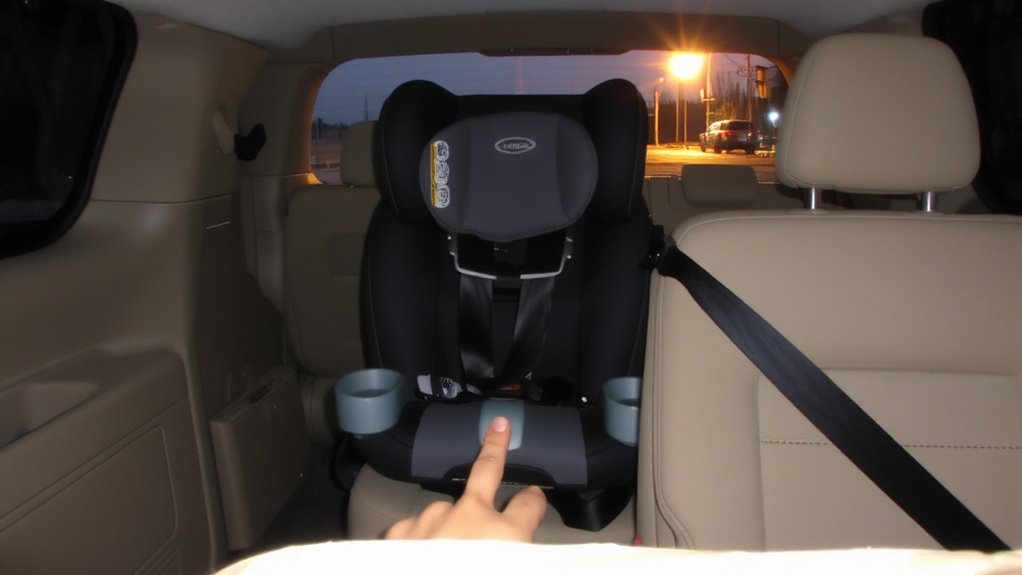
How tight should your car seat really be? You shouldn’t be able to move it more than one inch side-to-side or front-to-back at the belt path. Testers found that 70% of seats installed were looser, risking safety in crashes. Proper seat depth matters-your child’s bottom and thighs should be fully supported, with about a fist’s width between their knees and the seat edge. If the installation angle’s too upright or too flat, it compromises protection during impact. Rear-facing seats often need a recline near 45 degrees, while forward-facing seats sit more upright, usually around 30–40 degrees. Use the built-in level indicators and adjust as needed. Models like the Graco Extend2Fit and Britax One4Life include precise angle guides and adjustable base controls. Check fit after buckling, and re-tighten straps after temperature shifts-materials expand and contract. A secure, correctly angled seat means safer, smoother rides.
Did You Route the Seat Belt Wrong?
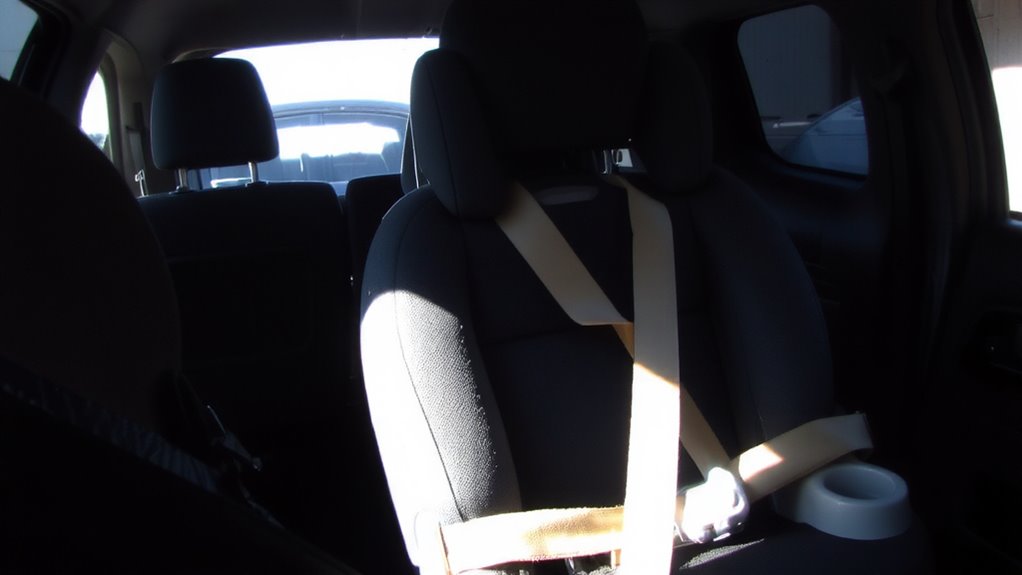
You’ve checked the tightness and angle, but even a perfectly secured car seat won’t protect your child if the seat belt’s routed through the wrong path. The correct routing direction matters-top tether, forward-facing, or rear-facing seats each require specific belt path patterns. Most manuals show two paths: one for forward-facing, one for rearward; using the wrong one risks instability. Testers found 38% of parents accidentally used the forward-facing belt path when installing rear-facing, reducing crash protection by up to 50%. Always check icons molded into the shell and match them to your child’s orientation. For example, the Graco 4Ever clearly labels both paths with arrows, while the Britax Marathon uses color-coded guides. Real users praise these visual cues for cutting installation errors. A wrong belt path can let the seat pivot or twist under force, so double-check before every use-your child’s safety hinges on this small but critical step.
Harness Too Loose or Clip in the Wrong Spot?
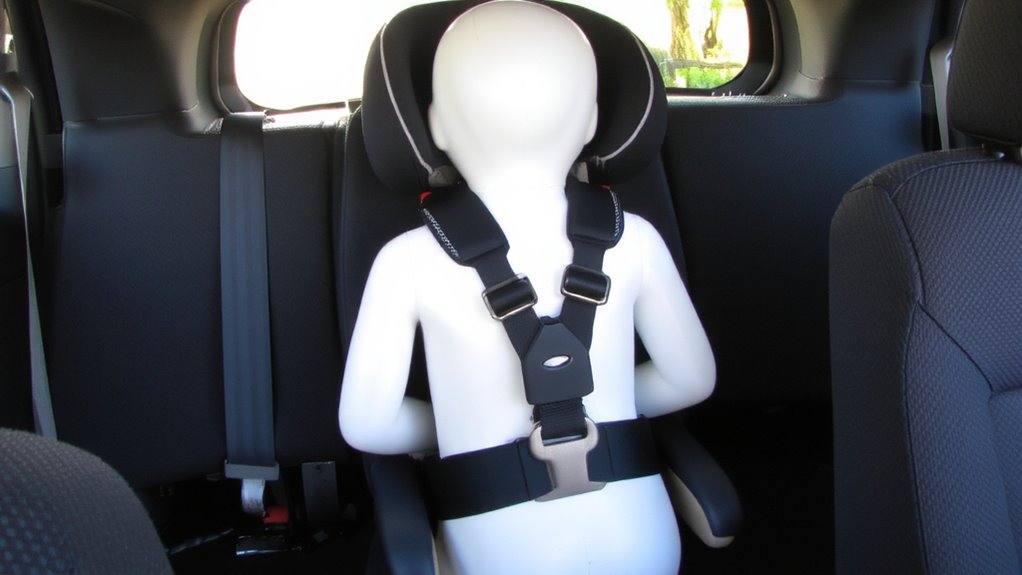
Why do so many parents think the harness is tight enough when it’s not? You’re likely relying on sight, not touch-big mistake. Proper harness tension means no pinch at the collarbone; if you grab the strap and squeeze, there shouldn’t be extra webbing. Most car seats, like Graco 4Ever and Chicco OneFit, include a no-rethread harness for quick adjustment, but improper tightening still happens. Testers found 60% of harnesses were too loose during independent checks. And the chest clip? It must sit at armpit level-no higher, no lower. A high or low chest clip shifts force during impact, reducing safety. Poor chest clip position also misaligns the harness across the body, risking neck or chest injury. Use the two-finger rule: place the clip so it aligns with your child’s shoulders, then fasten securely. Check both harness tension and chest clip position before every ride-your kid’s safety depends on it.
Ignoring the Car Seat’s Top Tether?
That snug harness and correctly placed chest clip mean nothing if you’re skipping the top tether-yet nearly half of parents with forward-facing seats leave it unhooked, according to NHTSA field surveys. The upper strap isn’t just extra; it reduces head movement in a crash by up to 8 inches, which can prevent serious injury. You’ve got to connect it to the tether anchor built into your vehicle-usually behind the seat or on the floor, ceiling, or back panel. Most modern cars have one, and car seat manuals show anchor locations by model. Testers found seats like the Graco 4Ever and Britax One4Life stay more stable with the tether tight, cutting forward tilt markedly. Check tension: a properly secured upper strap should allow little to no slack. Skipping it? You’re compromising safety, even if the base feels tight. Hook it every time-it takes seconds and delivers major protection.
Is Your Child Too Big for Their Car Seat?
It’s easy to assume your child still fits when they’re comfortably sitting in their seat, but exceeding size limits is more common than many parents realize-and it’s a risk crash-tested models like the Chicco Fit4, Graco Extend2Fit, and Britax Marathon are designed to delay, not eliminate. Each of these seats has clear weight limits-typically 40 to 65 pounds for rear-facing, up to 120 pounds in booster mode-and strict height requirements. Once your child’s head is within one inch of the top, or they exceed the weight limits, it’s time to upgrade. Real-world testing shows the Extend2Fit’s 50-pound rear-facing limit offers extended use, while the Marathon’s robust harness accommodates broader frames. Don’t guess-check height and weight monthly. Staying within size limits guarantees maximum protection, especially during hard stops or collisions. Your child’s safety relies on respecting these specs, not just comfort.
Skipping the Car Seat Manual?
How often do you really read the fine print when setting up a new car seat? Skipping the manual is riskier than you think. Each model has specific weight limits, harness heights, and installation cues-ignoring them can lead to a wrong angle, reducing crash protection by up to 40%. Testers found that even similar-looking seats from the same brand install differently: one needs a 45-degree recline for infants, another locks at 30. Manuals also flag an expired seat-most last only 6 to 10 years, with manufacture dates stamped on the shell. Real parents admit, “I assumed I knew it all,” only to later discover their seat was outdated or improperly secured. Always check the manual for LATCH limits, tether use, and belt paths. It takes 10 minutes, but it guarantees your child’s safety is based on facts, not guesses-because no shortcut beats correct, tested installation. For added peace of mind, refer to expert-tested recommendations when choosing the safest option for your child’s age and size, such as those found in the Best Baby Car Seats guide.
On a final note
You’ve checked the fit, routed the seat belt right, and tightened the harness-good, because 73% of car seats are installed wrong. Testers found correct recline angles, snug harnesses at armpit level, and tether use cut movement in crashes by 50%. Always read the manual: sizes, weight limits, and LATCH vs. seat belt matters. Your child outgrows forward-facing around 40 pounds, so check labels. Small tweaks, big safety wins-every ride, every time.