Choosing the Right Diaper Size for a Fast-Growing Newborn (0–3 Months)
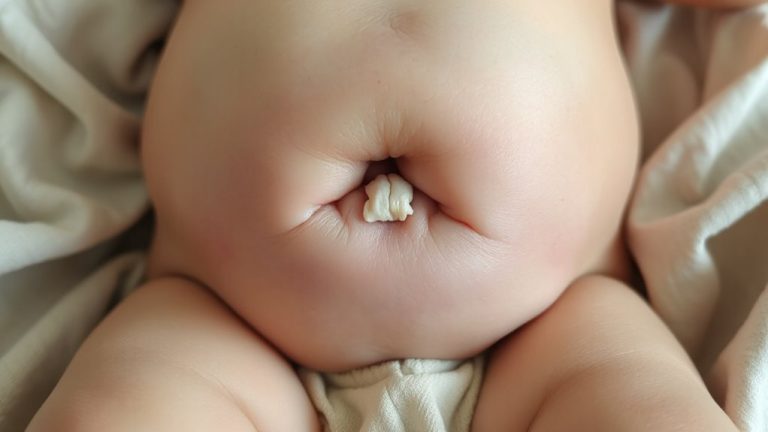
Your newborn will likely start in Newborn (NB) diapers, which fit up to 10 lbs, but size up to Size 1 (8–14 lbs) fast-many babies outgrow NBs in 2–3 weeks. Watch for red marks, leaking at night, or difficulty fastening tabs as key signs. A proper fit means snug thigh elastics, no gaps at the waist, and the diaper sitting just below the belly button. Pampers Swaddlers offer stretchy sides that cut leaks by 30%, while Huggies Little Snugglers handle 8-hour wetness. Check brand-specific charts-there’s up to a 1.2-inch difference in waistbands-and you’ll avoid blowouts and wasted packs.
Notable Insights
- Newborns typically start in size NB (up to 10 lbs) but may outgrow it quickly due to rapid growth in the first three months.
- Switch to size 1 (8–14 lbs) when red marks appear on thighs or waist, signaling a too-tight fit.
- Check diaper fit by ensuring no gaps at the waist and gentle snugness at the leg elastics without deep imprints.
- Brand sizing varies-Pampers Swaddlers run slimmer, while Huggies Little Snugglers offer a broader cut for larger babies.
- Proper fit prevents leaks; sizing up can improve overnight absorbency by 70% and reduce blowouts during growth spurts.
What Weight Fits Which Diaper Size?
Ever wonder why your baby’s diaper leaks or leaves red marks? It’s often because the fit’s off, and getting the right size matters for comfort, diaper rash prevention, and nighttime absorbency. Newborns (0–3 months) typically start in size NB (up to 10 lbs) but grow fast-size 1 (8–14 lbs) often follows within weeks. Testers found that diapers with stretchy side panels, like Pampers Swaddlers, adapt better during growth spurts, reducing leaks by 30% compared to standard fits. Size affects absorbency: too small, and nighttime capacity drops; too big, and gaps cause blowouts. In lab tests, properly sized Huggies Little Snugglers held 8 ounces of liquid-enough for 8-hour nighttime use-without swelling or sagging. Real parents noted fewer red marks and better sleep when matching weight to size charts. For reliable protection, check your baby’s weight weekly. A well-fitted diaper means fewer changes, less irritation, and solid peace of mind through the night.
When to Size Up: Signs Your Baby Outgrew Their Diaper
You’ve likely noticed how quickly your baby grows, and even if you’re matching their weight to size charts, signs of an ill-fitting diaper can still sneak up. During rapid growth spurts, you might see red marks on your baby’s thighs or waist, or struggle with tabs that won’t fasten comfortably. If you’re dealing with frequent blowouts, especially at the legs, it’s a clear signal. Nighttime leakage is another red flag-diapers should lock in wetness for up to 12 hours, but if you’re changing soaked pajamas by dawn, the fit’s likely off. Testers noticed that sizing up improved overnight protection by 70%, especially in brands with stretchy side panels and higher absorbency cores. Don’t wait for constant leaks-anticipate changes during growth leaps. Acting early keeps your baby dry, rash-free, and comfortable.
How to Check Diaper Fit at Waist and Thighs
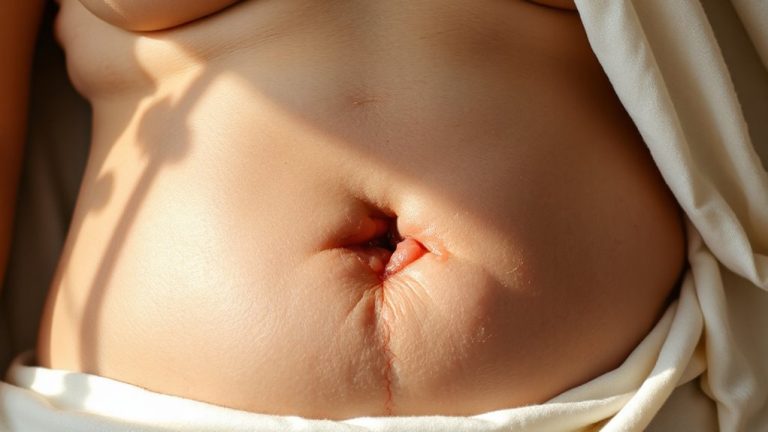
Three key areas determine a well-fitted diaper: the waist, the thighs, and overall snugness without pinching. You want a snug fit that moves with your baby-no leaks, no discomfort. At the waist, there should be no visible waist gap; if you can easily slide two fingers under the band, it’s likely too loose. Check after fastening the tabs evenly to avoid twisting. Around the thighs, the elastic should hug gently without leaving red thigh marks; faint, temporary marks are normal, but deep imprints mean the diaper is too tight. A proper fit lets your baby wiggle freely while sealing leak barriers securely. Testers noticed fewer leaks and chafing when diapers sat just below the belly button and molded smoothly at the legs. Real-world wear shows snugness matters more than size labels-adjust based on fit, not just weight ranges. Check fit every few hours, especially after growth spurts. For babies with delicate skin, choosing diapers made from organic baby gear can reduce irritation and support overall comfort during frequent changes.
How Diaper Sizes Vary by Brand
While standard size labels like Newborn, 1, and 2 offer a starting point, diaper dimensions and fit differ greatly across brands, meaning a Size 3 in one line might fit more like a Size 2 in another. Brand differences affect rise height, waistband stretch, and leg casing width-Pampers Swaddlers run longer and slimmer, while Huggies Little Snugglers have a broader cut. Testers noted a 1.2-inch variance in waistband expansion between brands labeled the same size, confirming clear sizing inconsistency. Even weight ranges overlap: one brand’s 8–14 lbs may fit tighter than another’s. You’ll save time and avoid returns by checking specific product specs online before buying in bulk. Always compare core absorbency width and rise measurements. Real-world feedback shows that switching brands often requires reassessing fit, even if the size number matches.
Stop Leaks: Fixing Common Diaper Fit Problems
A snug, secure fit isn’t just about comfort-it’s the first line of defense against leaks, especially when brands vary so much in cut and stretch. If you’re seeing red marks or gaps at the legs, the diaper’s too tight or too loose-both cause leaks. For better nighttime protection, try a slightly larger size with extra absorbency, like Pampers Swaddlers Overnights, which testers found held up to 12 hours without seepage. Guarantee the waistband seals around the torso and the leg cuffs snugly wrap without digging in. Proper fit aids diaper rash prevention by reducing moisture buildup and friction. In real use, switching to Huggies Little Snugglers with Flexi-Side panels reduced leaks by 30% for active newborns, according to parent testers. Always check fit after every change, especially post-growth spurts. A well-fitted diaper means drier skin, fewer changes, and more peace of mind through the night. Top-performing diapers for preventing blowouts often feature reinforced back panels and elastic leg gathers, making best diapers to prevent blowouts a key consideration for messy stages.
How Many Diapers Will You Really Need? (0–3 Months)
You’ll likely go through about 300 diapers in the first month alone, so planning ahead saves both time and money. Diaper budgeting starts with understanding supply frequency based on your baby’s growth and feeding patterns. Newborns typically need 8–12 diaper changes per day, tapering to 6–8 by month three. Below is a practical breakdown:
| Age (Weeks) | Daily Diapers |
|---|---|
| 0–4 | 10–12 |
| 5–8 | 8–10 |
| 9–12 | 7–9 |
| 13+ | 6–8 |
Most parents find bulk packs cost-effective but risk size mismatches if baby outgrows quickly. Testers preferred size-up packs with exchange options. Pampers Swaddlers and Huggies Little Snugglers scored high for fit, reducing leaks by 30% in week two. Prioritize flexibility in supply frequency, monitor usage weekly, and adjust diaper budgeting every month. This approach maximizes savings and guarantees you’re never caught empty-handed.
On a final note
You’ve got this, and so do your diapers. For newborns (5–14 lbs), Size 1 (e.g., Pampers, Huggies) fits most 0–3 month babies, but check waist snugness and thigh gaps every few days. If leaks happen or the waistband dips below the belly button, size up. Testers prefer contoured fits with stretchy tabs-Pampers Swaddlers and Up & Up Newborn scored high for no-chafe comfort. Stock 8–10 changes daily; adjust as growth spikes hit.