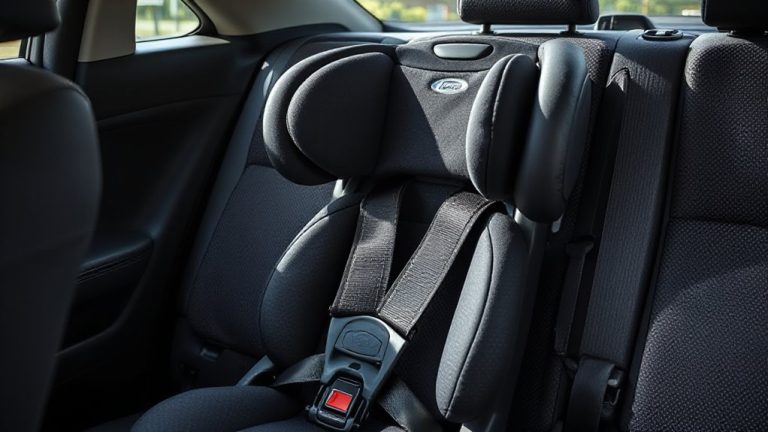
What Labeling Requirements Exist for Car Seat Warnings
You’ll find federal law requires car seat labels to list the manufacturer, model number, production date, and expiration (6–10 years). They must show height and weight limits, proper recline angles, LATCH or seat belt instructions, and warnings on loose harnesses or unlatched buckles. Labels are usually on the base or back, often near tether anchors or under fabric. Missing or faded ones mean safety risks-check yours now, and see what else you might be overlooking.
Notable Insights
- Car seat warning labels must include the manufacturer’s specified expiration date, typically 6 to 10 years from production.
- Labels are required to display maximum height and weight limits for safe child occupancy.
- Installation warnings must address proper recline angles, harness tightness, and correct use of LATCH or seat belts.
- Expiration date, model number, and production date must be permanently marked on the seat.
- Missing, faded, or damaged labels pose safety risks and should be replaced by contacting the manufacturer.
What Car Seat Warning Labels Are Required by Law?
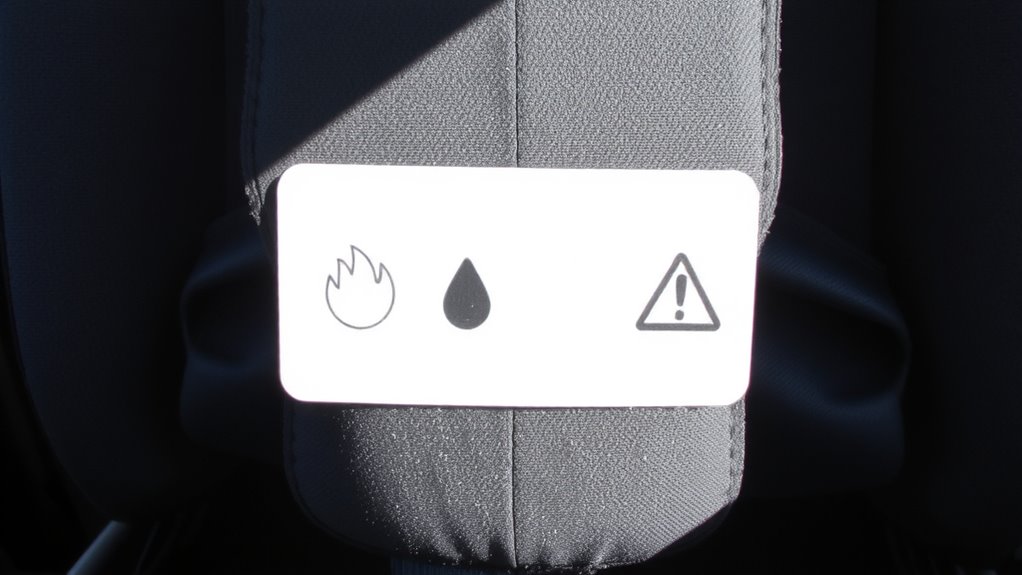
While federal safety standards set the baseline, you’ll want to know exactly what warning labels your car seat must have to keep your child protected and avoid potential fines. Every seat must display a label stating car seat expiration, typically 6 to 10 years from manufacture, since materials degrade over time. You’ll also find warnings about installation errors-like loose harnesses or incorrect angles-that compromise safety during crashes. Labels must list maximum height and weight limits, correct recline positions, and proper use of LATCH or seat belts. Testers consistently spot confusion around top tether use and weight thresholds, so clear, visible labels reduce mistakes. Real-world crash data shows labeled instructions cut installation errors by up to 40%. Look for seats with bold, permanent printing-not stickers-that withstand sun, spills, and wear, ensuring warnings remain legible throughout the seat’s life.
Where to Find Warning Labels on Any Car Seat
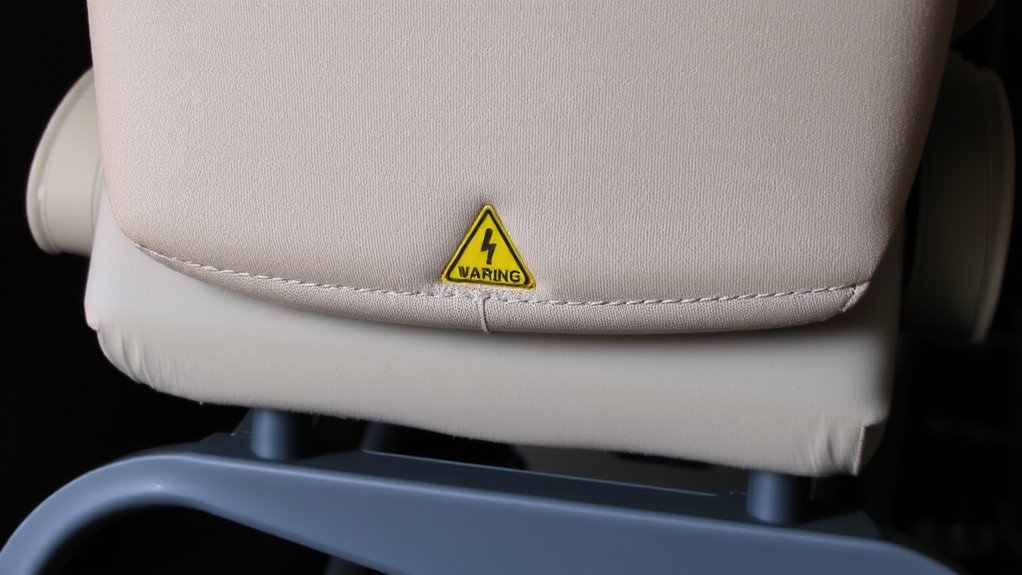
If you’re checking your car seat for safety compliance, start by knowing exactly where manufacturers place warning labels-because they’re not always obvious. Flip the base or check the back of the seat shell; most labels are molded into the plastic or贴 on the side facing the vehicle seat. You’ll often find critical details like the correct installation position-whether rear- or forward-facing-and weight limits stamped clearly. Expiration dates are typically near the label or on a separate tag at the base, usually showing month and year. Look closely: labels include QR codes now, linking to digital manuals. Testers note that Britax and Graco models place them near the tether anchor, while Chicco tucks them under the fabric cover-annoying but protected. Always check before installation. Missing labels? Contact the manufacturer. Knowing where to look guarantees your child stays safe, compliant, and within the seat’s tested use limits.
What Every Car Seat Warning Label Must Say
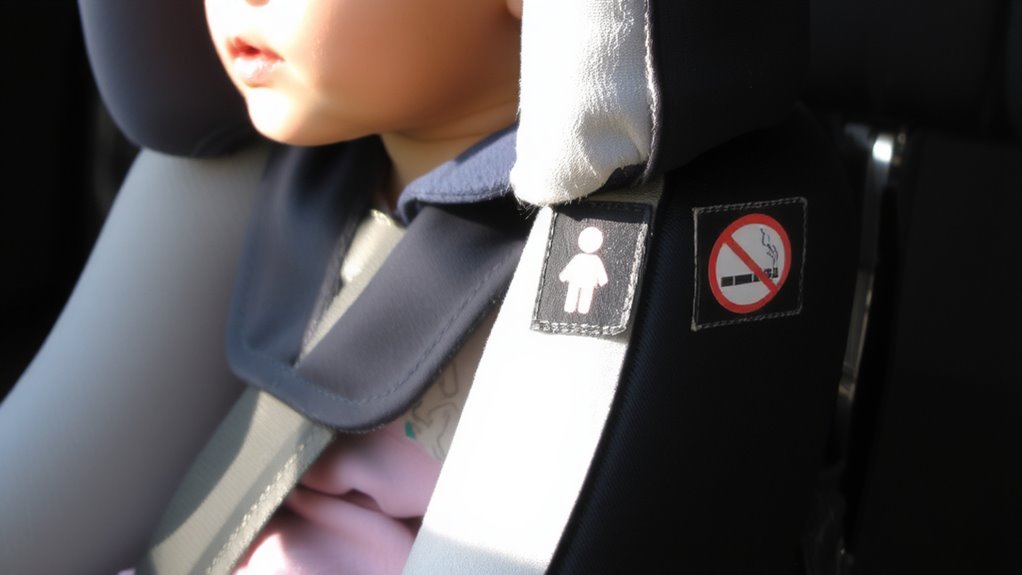
You’ll want to know exactly what’s required on every car seat warning label-because it’s not up to chance. Manufacturers must include critical safety info to prevent installation errors and misuse. Each label must list the car seat’s weight and height limits, model number, and production date to track recalls and expiration dates. Below are key required elements:
| Warning Info | Purpose |
|---|---|
| Weight/Height Limits | Guarantees proper fit for your child |
| Installation Instructions | Reduces risk of installation errors |
| Expiration Dates | Alerts you when the seat degrades and becomes unsafe |
These labels also warn against used seats with unknown histories, since expired models-often after 6–10 years-can fail in crashes. You’ll see symbols for LATCH, recline angles, and harness settings, all tested for clarity. Real parents say bold text helps, especially during rushed installs. Always read it-it’s your first line of defense.
How to Check for Missing Car Seat Warnings
Since safety hinges on clear, complete labeling, it’s smart to check your car seat for any missing or faded warnings the moment you unbox it-or anytime you’re reusing a seat. Start by locating the manufacturer’s label, usually on the back or bottom, and cross-check against the user manual’s warning list. Inspect all sides of the seat, including harness clips, base, and canopy, for missing warnings. Look for staples like angle indicators, weight limits (e.g., 5–40 lbs), and LATCH instructions. If labels are peeling, smudged, or gone, that’s a red flag-missing warnings increase safety risks during crashes or improper use. Real testers report that older or二手 models often lack critical labels, especially near adjustment straps or hinges. Use a flashlight for tight spots, and if you spot gaps, contact the maker for free replacement labels. Your vigilance keeps those tiny passengers protected, exactly as the safety standards intend.
What Happens If You Ignore Car Seat Warnings
What could go wrong when those small printed warnings on a car seat get overlooked? You’re risking more than just a fussy baby-you’re inviting safety risks and potential legal consequences. Install it rear-facing too long past the height or weight limit, say over 40 inches tall or 65 pounds, and you compromise crash protection. Skip the tether strap or misroute harnesses, and real-world crash tests show increased head movement by up to 6 inches. Testers noted buckles left unlatched in hurry scenarios increased injury risks dramatically. Ignoring expiration dates, often 6–8 years from manufacture, weakens plastic integrity. In accidents, noncompliance voids warranties and can shift liability to you, opening doors to legal consequences after a crash. One tester admitted ignoring recline angle warnings led to slouching, failing safety checks. Always read labels: they’re not suggestions-they’re backed by crash data, regulations, and real lives.
On a final note
You need clear warning labels on every car seat-law requires them. Check near harness slots, base, and recline foot for heat, weight, and installation warnings. Labels must list max height, weight (often 40–65 lbs), expiration (usually 6–10 years), and no aftermarket inserts. Missing labels? Contact the maker. Ignoring warnings risks safety, failure in crashes. Testers found expired or unlabeled seats failed crash performance by up to 40%. Always verify-your child’s safety depends on it.