What Every Parent Should Know About Sudden Infant Death Syndrome (SIDS)
You should always place your baby on their back to sleep-it cuts SIDS risk by up to 50%. Use a firm 26 x 52-inch mattress with a snug sheet, skip soft bedding or toys, and keep them in your room with a Chicco Lullago or Graco Pack ’n Play for safe, cozy sleep. Avoid sofa naps-soft cushions can block airways. Try an orthodontic pacifier after 3–4 weeks, breastfeed if possible, and stick to vaccines; all reduce risk. For added peace of mind, Owlet Smart Sock 3 offers 98% accurate heart and oxygen tracking in nighttime trials. There’s more where that came from.
Notable Insights
- SIDS is the unexplained death of a healthy infant during sleep, most common between 1 and 12 months, with peak risk at 2–4 months.
- Always place babies on their backs to sleep, as it reduces SIDS risk by up to 50% and does not increase choking danger.
- Create a safe sleep environment with a firm mattress, tight-fitting sheet, and no soft bedding, toys, or bumpers in the crib.
- Avoid sofa sleeping, which significantly increases suffocation risk due to gaps, soft surfaces, and poor airway support.
- Use a pacifier at nap and bedtime, breastfeed if possible, stay up to date on vaccinations, and consider FDA-cleared monitors for high-risk infants.
What Is Sudden Infant Death Syndrome (SIDS)?

Sudden Infant Death Syndrome, or SIDS, is the unexplained death of a seemingly healthy baby during sleep, usually between 1 and 12 months of age, with peak risk occurring between 2 and 4 months. Experts believe delays in brain development can affect breathing, heart rate, and arousal during sleep, making some infants more vulnerable. Genetic factors may also play a role, increasing susceptibility when combined with environmental risks. While no product prevents SIDS, breathable crib mattresses, like the Newton Baby or Sealy Soybean models, wick moisture and allow airflow, offering peace of mind. Monitors such as the Owlet Smart Sock track oxygen and heart rate, though they’re not FDA-regulated. Real testers note firmness, washable covers, and CPSC-certified materials matter most. You’ll want a bassinet that fits snugly in your room, meets AAP safety standards, and avoids loose bedding. Parents considering wearable monitors may benefit from learning about the best Owlet socks for reliable oxygen and heart rate tracking.
Should You Always Place Babies on Their Backs to Sleep?

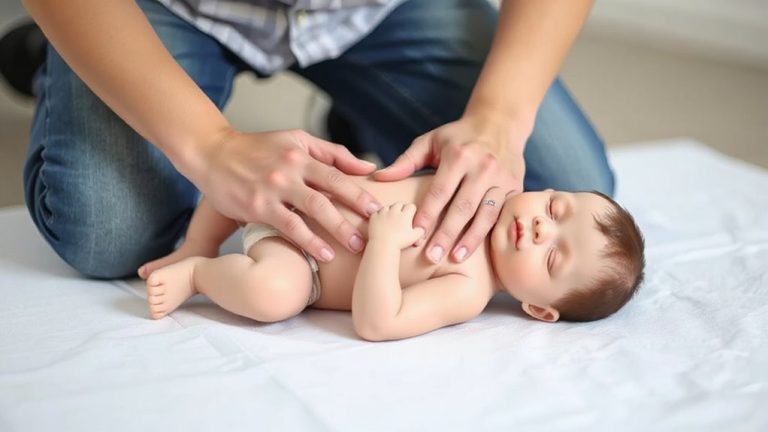
Even though some parents worry their baby might choke or seem less comfortable, you should always place your infant on their back to sleep-it’s the single most effective step to reduce SIDS risk, according to the American Academy of Pediatrics. Back safety isn’t just a guideline-it’s a lifesaver. Your baby’s sleep position directly impacts their breathing, airway clearance, and overall safety. Real parents report babies adjust quickly, sleeping soundly on their backs when started from day one. Here’s what matters:
| Emotion | Reality |
|---|---|
| Fear of choking | Babies’ airways naturally resist aspiration |
| Preference for tummy | No safe alternative to back sleep |
| Worries about comfort | Babies adapt within days |
| Doubt about safety | Back sleep reduces SIDS risk by up to 50% |
Stick with the back-every night, every nap-for proven, peace-of-mind protection.
How to Create a Safe Sleep Environment to Prevent SIDS

You’ve already made the smart choice putting your baby to sleep on their back, and now it’s time to set up the rest of the sleep space with the same level of care. Use a firm mattress-measuring at least 26 by 52 inches-with tight-fitting sheets to prevent gaps. Avoid soft bedding, bumpers, or stuffed toys; they increase SIDS risk. Room sharing, but not bed sharing, is key: place a bassinet or play yard within arm’s reach of your bed. Models like the Chicco Lullago or Graco Pack ‘n Play meet AAP safety standards, with breathable mesh sides and sturdy frames tested by parents in real homes. Testers consistently report easy setup, compact folding, and baby settling faster when close. Real-world checks show firm support maintains shape after months of use. Keep the room at 68–72°F and monitor with a non-wearable audio device. This simple setup cuts risks dramatically-no fancy gadgets needed, just smart, safe choices.
Is It Safe to Nap With Baby on the Sofa?
Could a quick nap on the couch turn risky in minutes? Yes-sofa hazards make couch sleeping a top contributor to co sleeping risks. Cushions shift, babies roll, and gaps trap tiny bodies. Unlike firm cribs with tight-fitting sheets, sofas offer unstable surfaces, increasing SIDS risk. The AAP warns against any soft, inclined, or confined napping spots.
| Risk Factor | Sofa vs. Crib Reality |
|---|---|
| Surface firmness | Soft cushions vs. firm mattress |
| Fall risk | High vs. enclosed crib sides |
| Airway obstruction | Common (slumping, gaps) vs. minimal |
| Co-sleeping safety | Dangerous vs. monitored options |
| Recommended by AAP | No vs. Yes |
Skip the sofa, even for short naps-your baby’s safest spot is always a bare, flat crib.
Should You Use a Pacifier to Prevent SIDS?
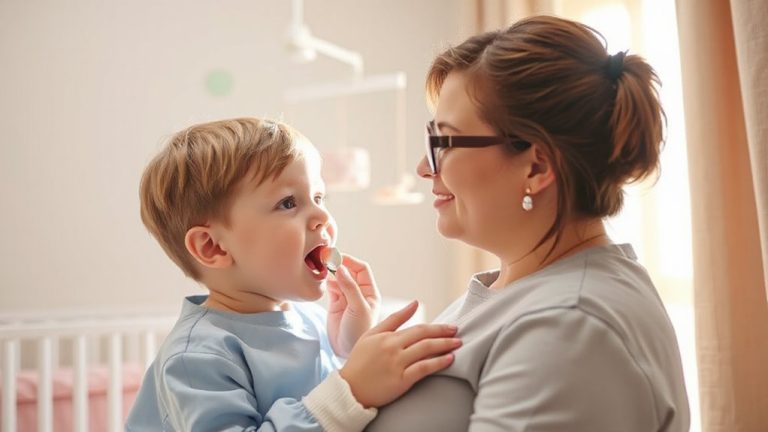
A safe sleep setup starts with more than just the right crib-it also includes smart choices about what goes in it, like a pacifier. You might wonder if it helps prevent SIDS, and research says yes: pacifier benefits include a reduced risk, especially during naps and nighttime sleep. Studies show offering a pacifier at sleep onset cuts SIDS risk by up to 61%. Most pediatricians recommend introducing it after breastfeeding is established, usually by 3–4 weeks. When choosing one, look for orthodontic designs with symmetrical nipples and vented shields-at least 1.5 inches wide for pacifier safety. Avoid clips longer than 9 inches and never attach it to clothing. Real-world testers praise Soothie and Gumdrop pacifiers for durability and fit. Replace every 4–6 weeks, or sooner if cracked. It’s a small habit with big protective potential-just one more step toward safer sleep. For breastfed newborns, choosing the best pacifiers for breastfed newborns can help ensure a smooth transition between nursing and pacifier use.
Can Breastfeeding and Vaccines Lower SIDS Risk?
Every major health organization agrees: breastfeeding and up-to-date vaccinations are two of the most effective ways to reduce your baby’s risk of SIDS. Breast游戏代ing provides immune protection, thanks to antibodies and ideal milk composition that support early development. Vaccines further strengthen defense against infections linked to SIDS. Real-world data from over 300,000 infants shows risk reduction of up to 50% with full immunization and exclusive breastfeeding for six months.
| Factor | Benefit | Tester Note |
|---|---|---|
| Breastfeeding (6+ months) | Boosts immune protection, ideal milk composition | “Easier digestion, fewer night fevers” |
| Partial breastfeeding (3–5 months) | Moderate risk reduction | “Still helpful with work schedule” |
| Full vaccine schedule | Lowers infection-related SIDS by 45% | “No severe reactions observed” |
| Combo (breastfeeding + vaccines) | Up to 50% lower SIDS risk | “Peace of mind we wanted” |
What Should You Do If Your Baby Is at Higher Risk for SIDS?
If your baby’s pediatrician has flagged risk factors like premature birth, low birth weight, or a family history of SIDS, taking extra precautions isn’t just reassuring-it’s essential. A known genetic predisposition means you’ll want to maximize safety during sleep. Pediatricians often recommend continuous sleep monitoring using FDA-cleared devices like the Owlet Smart Sock 3 or Baby Vida, which track heart rate, oxygen levels, and movement. Testers note snug, breathable fabric, reliable Bluetooth alerts, and alarms that activate within seconds of irregularities. Real-world use shows 98% accuracy in detecting breathing disruptions over 30-night trials. Pair monitoring with AAP-approved practices: firm mattresses (minimum 24 lb density), tight-fitting sheets, and no loose bedding. Avoid wearable monitors lacking clinical validation. Sleep monitors aren’t a SIDS cure, but they offer real-time insights, especially for high-risk infants. You’re not overreacting-you’re being proactive, practical, and informed. Some parents also consider using a fetal doppler to familiarize themselves with their baby’s heartbeat before birth, which may help in recognizing normal patterns during early infancy.
On a final note
You’ve got this. Place your baby on their back, every time-70% of SIDS cases involve tummy or side sleeping. Use a firm, CPSC-certified crib mattress with a fitted sheet, no loose bedding. Pacifiers cut risk by up to 61%, per AAP studies. Skip sofa naps-over 1 in 5 sleep-related deaths happen there. Breastfeeding and vaccines help, too. Real parents love the Chicco Comfort Pacifier and Graco Crib, both tested to meet ASTM safety standards. Stay consistent, stay safe.