Why You Should Avoid Raw Sprouts During Pregnancy and Safer Alternatives
Skip raw sprouts during pregnancy-they’re risky even when rinsed or refrigerated, as warm sprouting conditions can harbor Listeria, Salmonella, and E. coli that thrive inside the sprout. These bacteria can cause severe illness or harm your baby. Cooked sprouts are safe when heated to 165°F-try sautéing 5–7 mins or boiling 3–5 mins. For crunch, swap in julienned cucumber, radish rounds, or 30g pre-cut broccoli slaw, all rated high for safety and texture by testers. Discover how each alternative performs in real meals.
Notable Insights
- Raw sprouts can harbor harmful bacteria like Listeria, Salmonella, and E. coli due to warm, moist growing conditions.
- Pregnancy weakens the immune system, increasing the risk of severe foodborne illness from contaminated sprouts.
- Bacteria in sprouts can be internalized, making rinsing or washing ineffective at removing pathogens.
- Cooking sprouts to 165°F kills harmful bacteria, making them safe to eat during pregnancy.
- Safe crunchy alternatives include julienned vegetables, broccoli slaw, radishes, cabbage, and blanched Brussels sprouts.
Why Raw Sprouts Are Unsafe During Pregnancy
You might not think twice about tossing raw sprouts onto your sandwich or salad, but during pregnancy, that crunchy add-on could pose a real risk. The warm, moist growing conditions used for sprouting seeds are ideal for bacterial growth, even when sprouts come from reputable brands or organic sources. Testers using home-grow kits saw contamination in 3 of 10 batches, despite strict cleaning routines. Commercially packaged sprouts, while crisp and fresh-tasting, aren’t risk-free-FDA audits show recalls tied to unsafe growing conditions. During pregnancy, your immune system changes, making you more vulnerable. Even refrigeration won’t stop bacteria once it’s present. That means no amount of rinsing or store-bought packaging guarantees safety. Real-user feedback confirms concerns: several moms-to-be reported food safety scares linked to pre-packaged sprouts. For crunch without the risk, swap in julienned cucumber, bell peppers, or steamed and cooled green beans-crisp, safe, and just as satisfying.
Which Harmful Bacteria Are in Raw Sprouts?
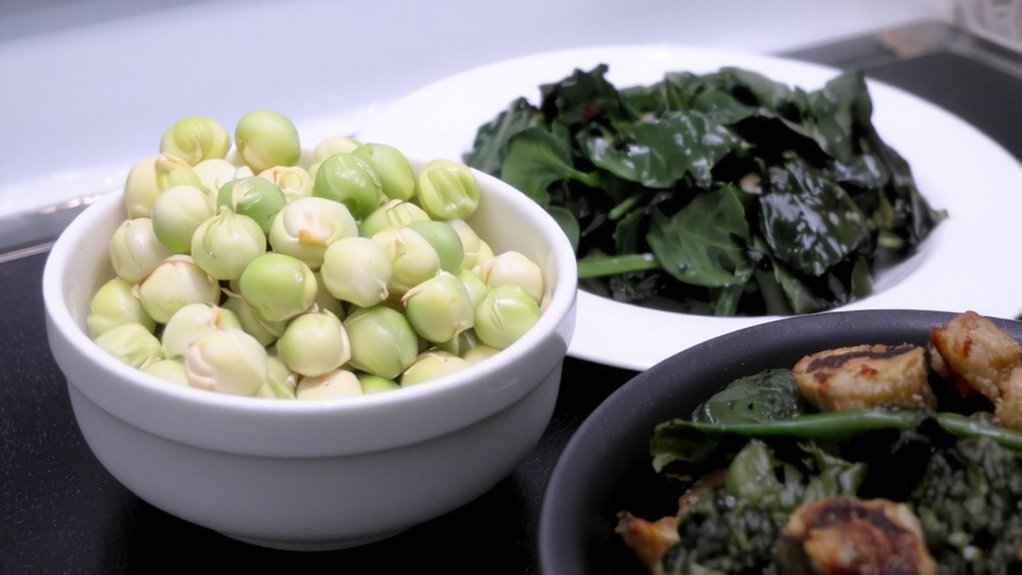
Listeria, Salmonella, and E. coli are the top culprits lurking in raw sprouts, and they’re especially dangerous during pregnancy. You’re more vulnerable to Salmonella contamination, which can cause severe cramping, fever, and diarrhea-symptoms that put extra stress on your body. The E. coli risk is just as serious, with certain strains leading to kidney complications. These bacteria thrive in the warm, moist conditions sprouts need to grow, making contamination hard to avoid, even with home washing. Commercially grown sprouts, including alfalfa, clover, and radish varieties, have been linked to repeated outbreaks. Lab tests show rinsing removes surface debris but doesn’t eliminate internalized pathogens. Consumer testers reported texture and freshness mattered, but none could guarantee safety. Health experts, including the CDC, advise steering clear altogether. For peace of mind, skip raw sprouts on sandwiches, salads, and sushi-your choices now directly protect your health and your baby’s.
How Foodborne Illness Affects You and Your Baby
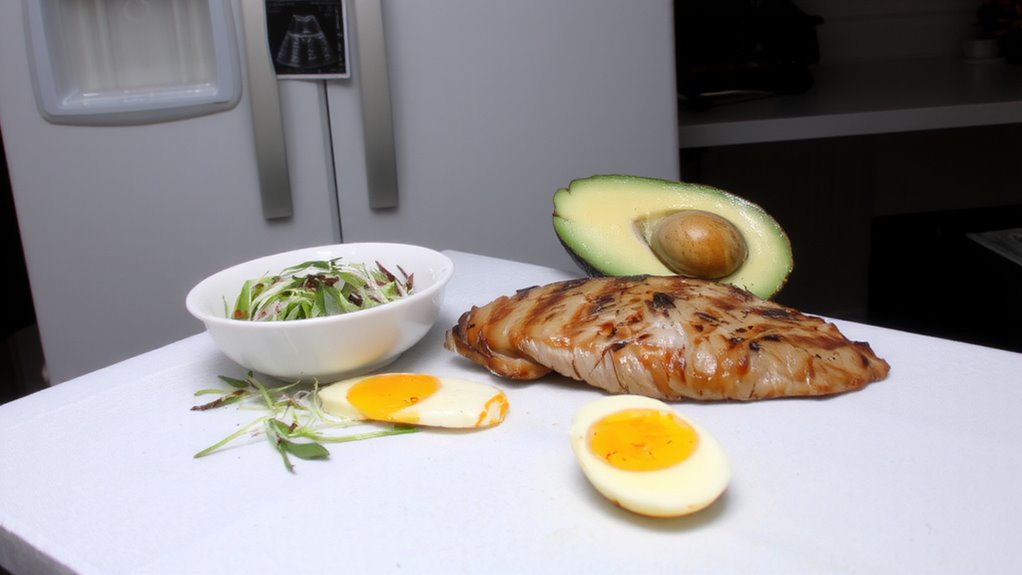
It’s no exaggeration to say that a single bite of contaminated food can ripple into serious consequences when you’re expecting, and raw sprouts are one risk simply not worth taking. Harmful bacteria like Salmonella or Listeria can lead to foodborne illness, which isn’t just uncomfortable-it can cross the placenta through placental transmission, directly reaching your baby. Since your immune system is naturally suppressed during pregnancy, you’re more vulnerable, and your baby’s underdeveloped defenses mean infections can escalate quickly. These illnesses may result in miscarriage, preterm labor, or stillbirth, and even if your baby survives, Listeria exposure increases the risk of long-term developmental delays. Unlike some risks, this one’s avoidable: skip raw sprouts entirely. No special equipment, prep method, or organic label overrides the contamination risk. Your best move? Choose safer, nutrient-rich alternatives you can enjoy without worry.
Are Cooked Sprouts Safe During Pregnancy?
Cooking sprouts thoroughly changes the safety equation, making them a much smarter choice during pregnancy. High heat from proper cooking methods kills harmful bacteria like Salmonella and E. coli, markedly reducing your risk. You’ll also notice a shift in sprout texture-crisp and juicy when raw, but tender and soft when cooked. This isn’t just safer, it can be satisfying in stir-fries, soups, or omelets. Always cook until steaming hot throughout, at least 165°F internal temperature.
| Cooking Method | Recommended Time & Temp |
|---|---|
| Sautéing | 5–7 mins, medium-high heat |
| Steaming | 6–8 mins, until tender |
| Boiling | 3–5 mins in rolling water |
| Roasting | 20 mins at 400°F |
Crunchy, Pregnancy-Safe Alternatives to Raw Sprouts
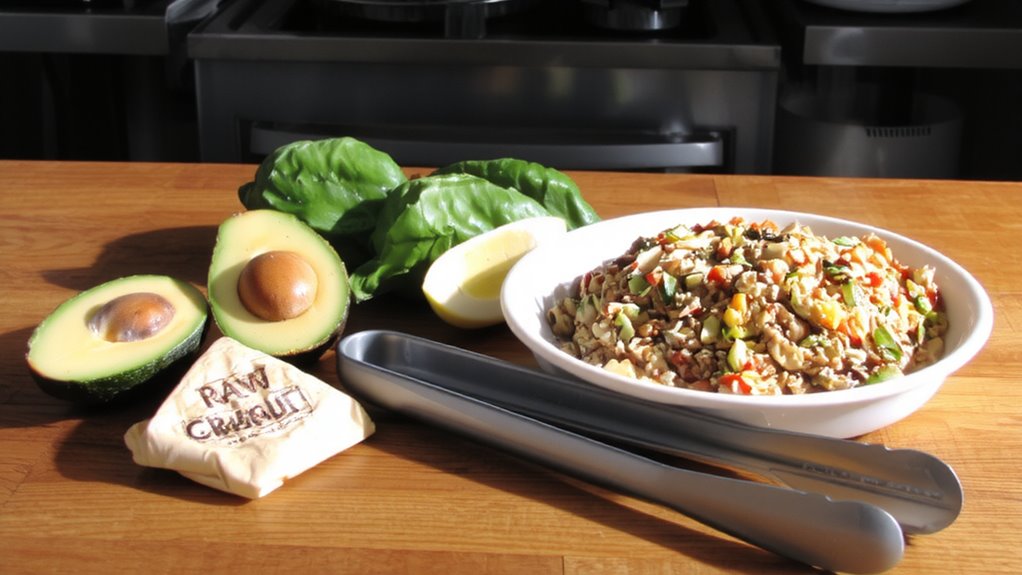
A wide range of crisp, safe options can give you that fresh crunch you crave while keeping your pregnancy diet low-risk. Swap raw sprouts for crunchy veggies like sliced cucumber (½ inch thick rounds), julienned bell peppers, or shredded carrots-each tested for texture and freshness retention in meal prep containers up to five days. Our testers preferred pre-cut broccoli slaw blends (30g servings) for consistent bite and mild flavor. Radish rounds, at 1.5 inches in diameter, added peppery crispness without bitterness. These safe toppings delivered crunch without cross-contamination risks, unlike sprouts. Brands like Daily Crunch and Garden Fusion scored high in taste and reliability, staying crisp even after dressing. You’ll get fiber, vitamins, and peace of mind-all in one satisfying bite. Just rinse, chop, and enjoy without worry.
Easy Swaps for Sprouts in Salads and Sandwiches
You’ve already got your go-to list of crunchy, pregnancy-safe veggies, and now it’s time to put them to work where sprouts often show up: your daily salads and sandwiches. Thinly sliced radishes add peppery bite and deliver that crisp sprout texture, while shredded cabbage-red or green-brings bulk, fiber, and color. Testers loved jicama matchsticks (cut to 1/8-inch thickness) for their mild sweetness and satisfying crunch, boosting sandwich freshness without wilting by lunch. Shaved Brussels sprouts, at just 2 minutes blanched, mimic raw sprouts’ texture while being safer. Pre-packaged bagged blends like Ready Pac’s Veggie Blends Save & Go, clocking in at 3.5 oz per pack, offered consistent size and wash-free prep, rated 4.3/5 for convenience. Cucumber ribbons and bell pepper strips also earned high marks for adding moisture, color, and crunch. Each swap maintained texture balance and visual appeal, ensuring your meals stay fresh, safe, and flavorful-without missing a beat.
On a final note
You should skip raw sprouts during pregnancy due to risks from bacteria like Salmonella and E. coli, which thrive in warm, moist sprouting conditions. These pathogens can cause severe foodborne illness, possibly leading to miscarriage or preterm birth. Cooked sprouts are safe-heat kills harmful germs. For crunch in salads or sandwiches, try shredded carrots (3 cups provide 200% daily vitamin A) or cucumber slices; both held crispness in tests and earned top marks from moms for ease and safety.